

Analysis of the Myths Surrounding Excessive Masturbation and Male Pattern Baldness
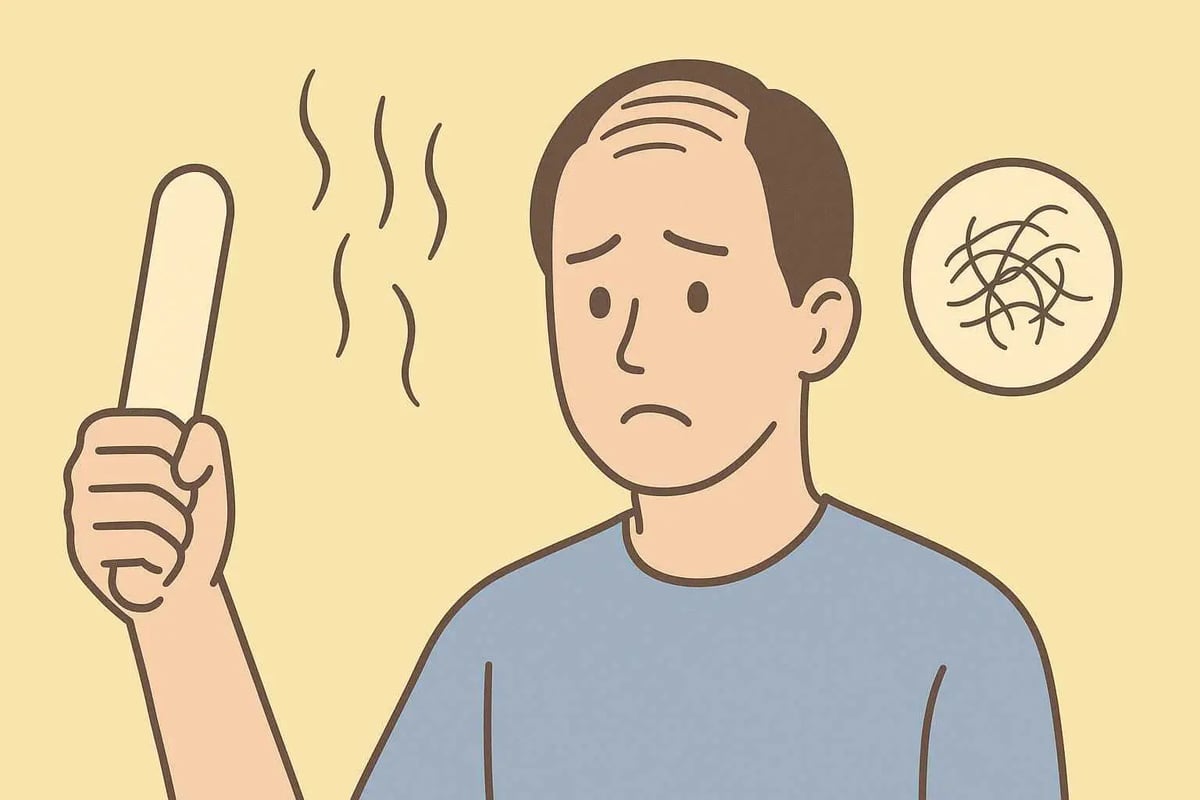
Does Masturbation Cause Hair Loss?
The answer is: Generally, no.
Male pattern baldness is mainly related to the following factors:
- Genetic constitution
- Sensitivity of hair follicles to DHT (Dihydrotestosterone)
- Thinning and shortening of hair strands
- Gradual thinning of the hairline or crown
Masturbation is a common sexual behavior, and there is currently no medical evidence indicating that general masturbation directly damages hair follicles or causes excessive hair loss.
Common Myths About Masturbation-Induced Hair Loss
Myth 1: Ejaculation causes a loss of protein, so hair has no nutrition?
No.
The protein content in semen is limited; normal ejaculation does not cause the body to suffer from nutritional deficiencies that affect hair growth. Factors that typically affect hair nutrition usually include:
- Chronic dieting
- Insufficient protein intake
- Iron deficiency
- Rapid weight loss
- Chronic illnesses
Myth 2: Masturbation causes DHT levels to spike, so it inevitably leads to baldness?
It’s not that simple.
DHT is indeed related to male pattern baldness, but the key point is not a single instance of masturbation, but rather the sensitivity of the hair follicles themselves to DHT. If a person has a genetic predisposition for male pattern baldness and begins losing hair after puberty or early adulthood, they are often mistakenly thought to be caused by masturbation.
Myth 3: Will stopping masturbation cause hair to grow back?
In most cases, no.
If the cause of hair loss is male pattern baldness, scalp inflammation, alopecia areata, or nutritional deficiency, simply quitting masturbation usually cannot resolve the problem. The most important step is to first identify the cause of the hair loss before deciding on a treatment approach.
Common Causes of Hair Loss
| Cause | Common Manifestations | Recommended Action |
|---|---|---|
| Androgenetic Alopecia | M-shaped hairline, receding hairline, thinning hair at the crown, fine hair | Evaluate follicle status, discuss medication or hair transplant |
| Telogen Effluvium | Sudden, overall increase in hair shedding | Check for stress, sleep issues, underlying disease, or nutrition deficiencies |
| Scalp Inflammation | Dandruff, oiliness, redness, itching, folliculitis | Address scalp conditions first |
| Alopecia Areata | Round or patchy hair loss | Recommend seeing a dermatologist or a hair loss clinic |
| Nutritional Deficiency or Illness | Hair loss accompanied by fatigue, changes in body weight, or anemia | Require blood tests or a physician evaluation |
Under what circumstances might masturbation indirectly affect hair loss?
Masturbation itself is not a primary cause of hair loss; however, if it affects your quality of life, it may indirectly lead to a decline in your physical condition.
For example:
- Frequent staying up late to scroll through your phone or view adult content
- Sleep disturbance caused by masturbation
- Occurrence of anxiety, self-blame, or stress
- Long-term imbalance of diet and daily routine
These factors may contribute to telogen effluvium, scalp inflammation, or a more pronounced existing androgenetic alopecia. The real issue to adjust is your lifestyle rhythm, rather than attributing all problems solely to masturbation.
Does Masturbation or Frequent Touching Cause Hair Loss? +
Currently, there is insufficient medical evidence to show that masturbation or frequent touching directly causes hair loss. If you notice recession of the hairline, thinning at the crown, or excessive hair shedding, you should evaluate for androgenetic alopecia [male pattern baldness], telogen effluvium (stress-induced hair loss), scalp inflammation, or nutritional issues.
Does Masturbation Increase DHT and Cause Androgenetic Alopecia? +
Changes in hormones caused by typical masturbation are usually temporary fluctuations. There is currently no evidence suggesting that it leads to chronic elevation of DHT sufficient to cause androgenetic alopecia. Androgenetic alopecia is primarily related to genetics and the sensitivity of hair follicles.
Will My Hair Regrow After Quitting Masturbation? +
If the hair loss is caused by androgenetic alopecia, alopecia areata, scalp inflammation, or nutritional deficiency, simply quitting masturbation will typically not make the hair grow back. It is recommended to first confirm the type of hair loss.
Does Masturbating Multiple Times a Day Worsen Hair Loss? +
The frequency of masturbation alone is not a standard for judging hair loss. However, if it already affects sleep, mood, work, or appetite, it may create stress and an imbalanced circadian rhythm, indirectly affecting your physical condition.
How to Differentiate Between Stress-Induced Hair Loss and Androgenetic Alopecia? +
Stress-induced hair loss usually involves generalized, heavy shedding across the entire scalp. Androgenetic alopecia typically involves gradual thinning at the temples, hairline, or crown, accompanied by hair that becomes finer (thinner in diameter). A physical examination by a physician is still required for definitive diagnosis.
How Long Should I Wait Before Seeing a Doctor? +
If hair shedding increases significantly and persists for more than 2 to 3 months, or if you have developed an M-shaped hairline, crown thinning, circular patches of hair loss, or scalp redness/itchiness, it is recommended to schedule a hair loss consultation for an evaluation as soon as possible.
Related articles
This article has been reviewed and medically approved by Dr. Wen-Yi Wu

Dr. Wen-Yi Wu|Director, Mong Hair Clinic
- ● Fellow of ISHRS (FISHRS)
- ● ABHRS Board-Certified Hair Restoration Surgeon
- ● President of TSHRS (Taiwan Society of Hair Restoration Surgery)