
Combined Harvest Planning
FUT may provide a base supply and FUE may supplement it within the safe donor area; yield varies by patient.
FUT × FUE · Higher Graft Needs · Combined Planning
COMBO combines FUT strip harvesting and FUE in one treatment. It may be considered for extensive hair loss or higher graft requirements, but the mix, graft count and density depend on individual donor conditions.
Understand the harvesting method, candidacy and limitations before planning around your donor supply and pattern of hair loss.
FUT may provide a base supply and FUE may supplement it within the safe donor area; yield varies by patient.
FUT handles bulk harvesting while FUE supplements with precision extraction — perfectly complementary.
Designed for Norwood V–VII hair loss, covering the front, crown, and vertex in one session.
High graft counts translate to fuller, denser results that look naturally abundant.
COMBO demands mastery of both FUE and FUT — only the most experienced surgeons perform it.
The FUE-to-FUT ratio is tailored to your donor capacity, loss pattern, and goals.
Suitability depends on more than the area you want to improve. The doctor also assesses the diagnosis, donor area and likely long-term progression.
A transplant redistributes a finite supply of follicles, so diagnosis, donor assessment and design all matter.
Review the timeline, rate of loss, family history, scalp condition and previous treatment, and rule out causes not suited to immediate surgery.
Assess occipital density, hair calibre, scalp condition and previous procedures to avoid overharvesting.
Balance facial proportions, natural direction, future loss and available follicles when prioritising coverage and graft distribution.
These are general milestones. Follow the doctor's individual instructions for washing, work, exercise and follow-up.
The sutured donor area and recipient area may feel tight, swollen or uncomfortable. Follow medication and wound-care instructions.
The wound and suture removal are reviewed according to healing and scalp tension; timing varies by patient.
Transplanted shafts may shed. Protect the linear scar from tension and excessive sun exposure.
Growth develops gradually, with ongoing review of the linear scar, donor area and native hair.
Every surgical hair restoration procedure has individual variation and risks that should be discussed during consultation.
This page is for education and does not replace a medical consultation. Technique, graft count, cost, recovery and outcome vary by patient.
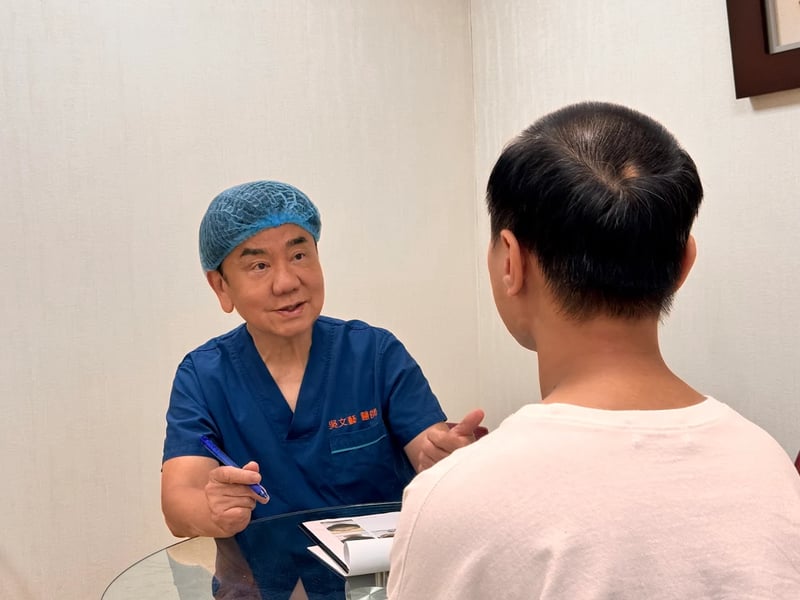
Dr. Wu personally diagnoses your hair loss and recommends the most suitable transplant method and graft count. No sales consultants — all consultations are conducted directly by the doctor.
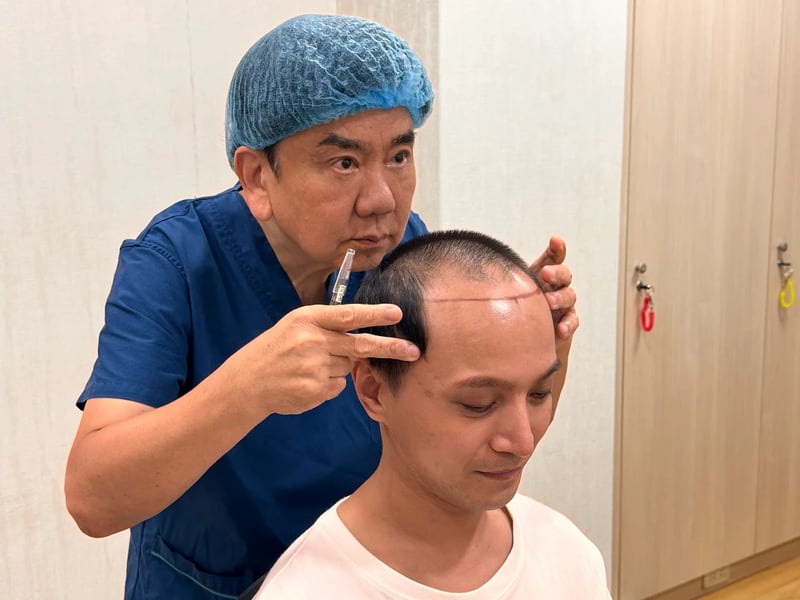
The hairline is planned based on the patient's preferences, age, and facial proportions. The transplant area is mapped and graft count calculated (one graft ≈ 2 hairs).
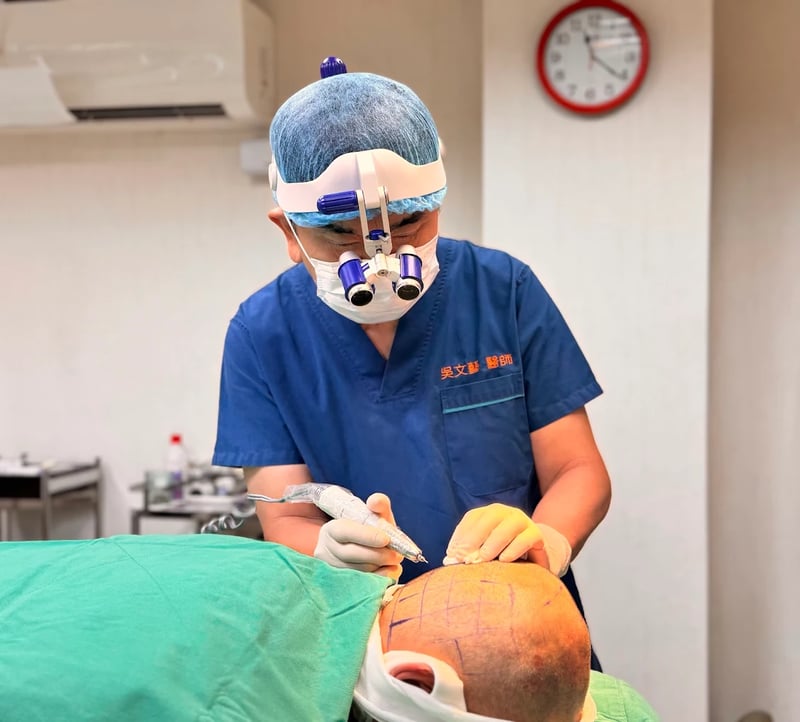
Under local anesthesia, a thin scalp strip is excised from the donor area and sutured closed. Follicles are immediately dissected under microscopy into individual units and implanted at ~40 grafts per cm².
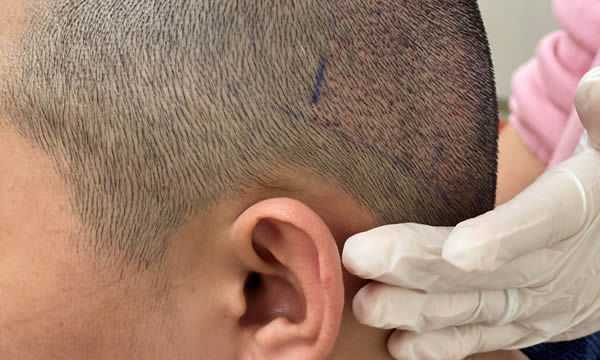
A follow-up visit the next day for scalp cleansing, wound inspection, and full post-operative care instructions.
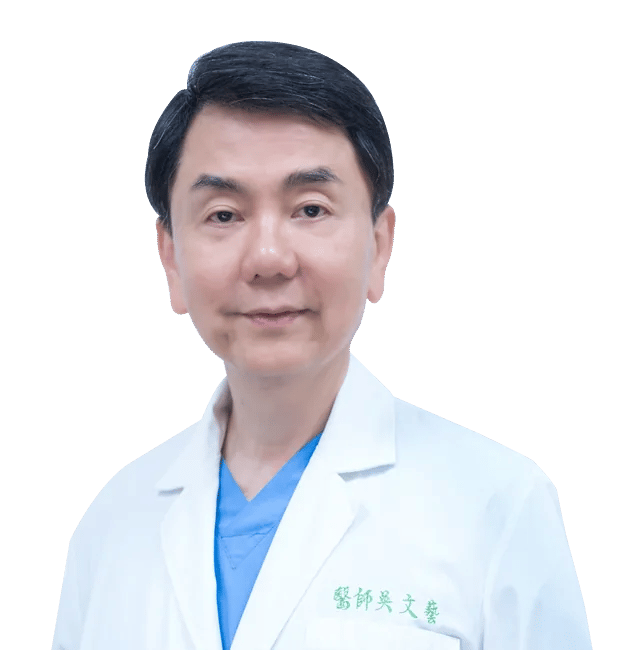
OUR DOCTOR
Dr. Wen-Yi Wu is the founder and medical director of Taiwan Hair Transplant Clinic. He is ABHRS certified, holds FISHRS Fellow status, and has more than 21 years of hair transplant experience.
Credentials and experience are useful when choosing a hair transplant physician, but hair-loss causes, donor conditions and treatment needs differ. A personal medical assessment should also cover suitable procedures, limitations, risks and follow-up care.