
Female-Specific Plans
Female hair loss patterns differ from male. We design customized treatment plans tailored to each woman's unique condition.
Confirm the Cause · Assess Donor Supply · Individual Design
Female hair restoration starts by distinguishing pattern loss, a high hairline, postpartum shedding, traction and scarring alopecia. Only then can donor stability and an appropriate treatment area be assessed.
Understand the harvesting method, candidacy and limitations before planning around your donor supply and pattern of hair loss.
Female hair loss patterns differ from male. We design customized treatment plans tailored to each woman's unique condition.
We offer no-shave FUE — only a small donor patch is trimmed, maintaining your existing hairstyle throughout recovery.
For women with a naturally high or irregular hairline, precision transplantation creates a beautifully balanced hairline.
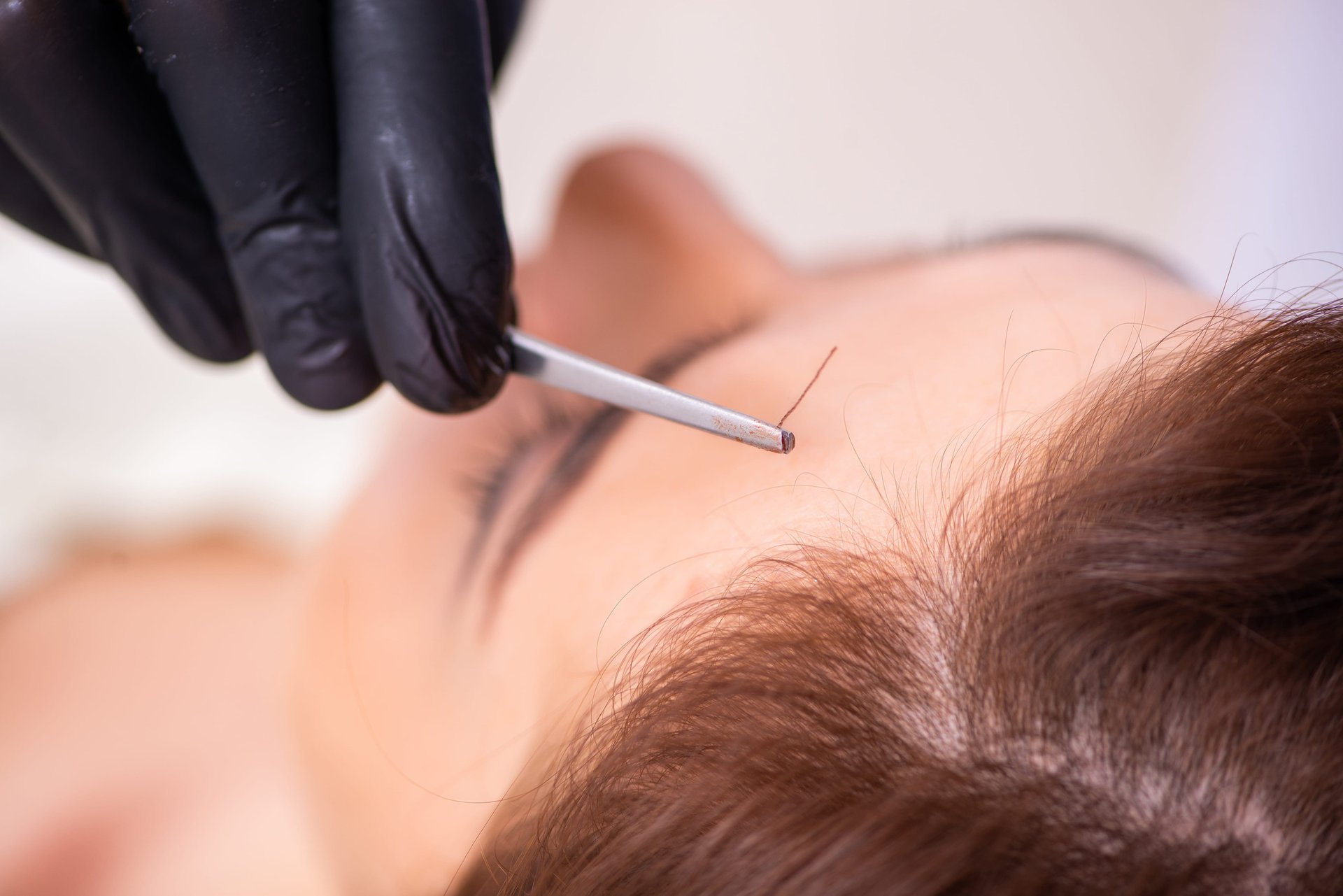
Advanced trichoscopy accurately diagnoses hair loss causes and available donor resources for a precise treatment plan.
Transplantation can be combined with PRP or LLLT for comprehensive hair restoration results.
We understand the emotional weight of hair loss for women and provide a private, supportive consultation and surgical environment.
Suitability depends on more than the area you want to improve. The doctor also assesses the diagnosis, donor area and likely long-term progression.
A transplant redistributes a finite supply of follicles, so diagnosis, donor assessment and design all matter.
Review the timeline, rate of loss, family history, scalp condition and previous treatment, and rule out causes not suited to immediate surgery.
Assess occipital density, hair calibre, scalp condition and previous procedures to avoid overharvesting.
Balance facial proportions, natural direction, future loss and available follicles when prioritising coverage and graft distribution.
These are general milestones. Follow the doctor's individual instructions for washing, work, exercise and follow-up.
The donor and recipient areas may be red, tight or mildly oozy. Avoid impact, rubbing and scratching.
Crusting gradually forms. Clean only as instructed and do not pick or remove scabs yourself.
Transplanted hair shafts may shed as they enter a resting phase; follow-up helps distinguish expected change from a concern.
New hair commonly emerges and thickens gradually while density, direction and native hair are monitored.
Every surgical hair restoration procedure has individual variation and risks that should be discussed during consultation.
This page is for education and does not replace a medical consultation. Technique, graft count, cost, recovery and outcome vary by patient.
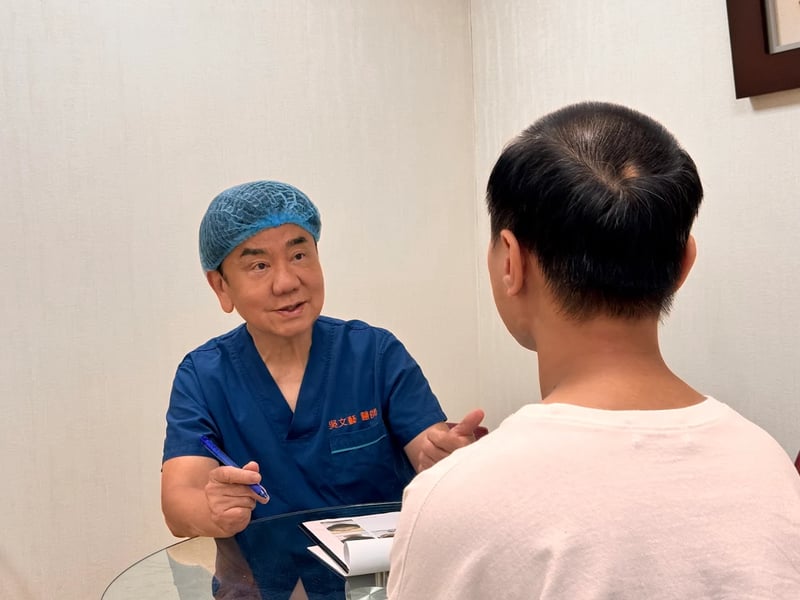
Dr. Wu personally evaluates your hair loss condition, providing a professional assessment and customized recommendations. He explains in detail the type of hair loss, density, expected outcomes, and the estimated number of grafts needed. No sales consultants — only direct medical evaluation to ensure accuracy and expertise.
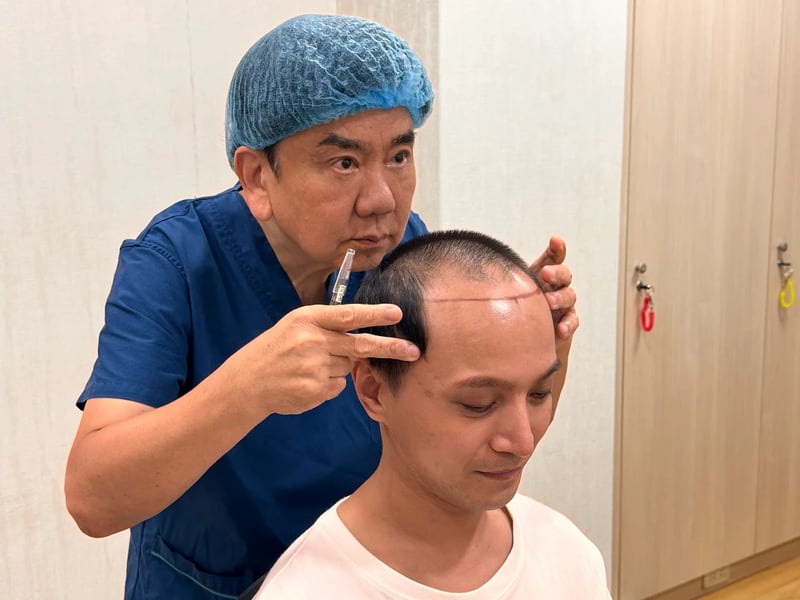
Before surgery, Dr. Wu performs a comprehensive assessment based on your age, facial proportions, available healthy donor follicles, and potential future hair loss patterns. He precisely measures and designs a natural, balanced hairline tailored to your individual needs and head shape.
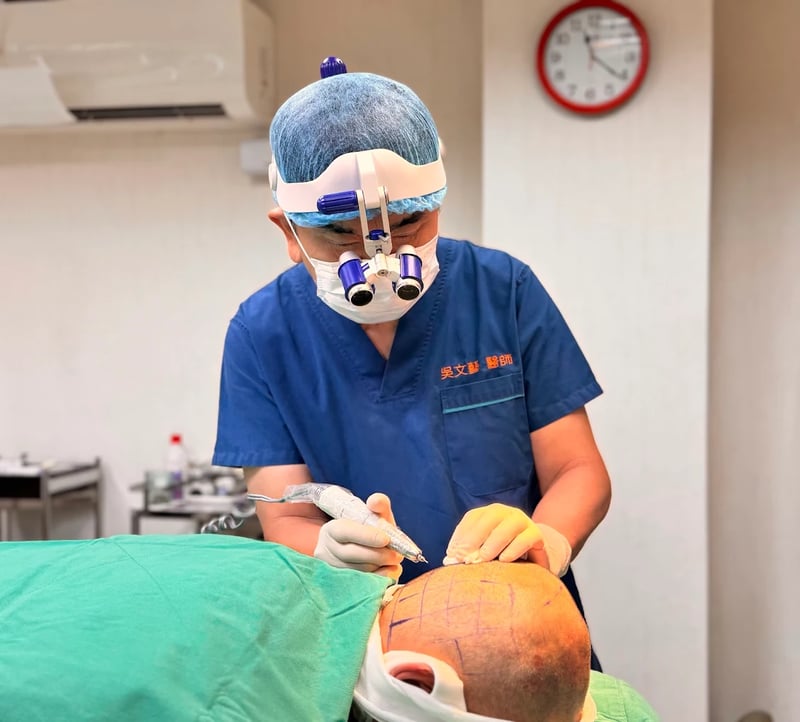
Dr. Wu and the nursing team harvest and implant grafts under local anaesthesia according to the female hairline or parting plan. Procedure time, discomfort and return to work vary with graft count, area and recovery.
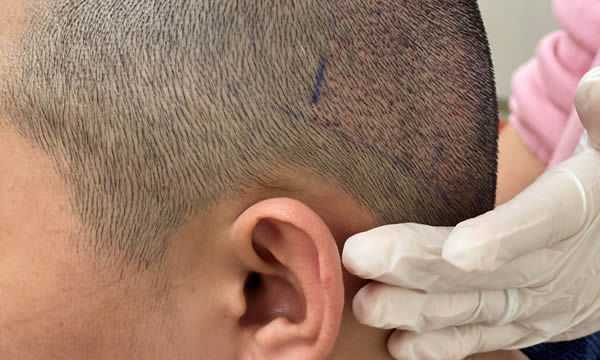
A follow-up visit is scheduled the day after surgery. Our nursing team assists with scalp cleansing, wound inspection, and provides thorough post-operative care instructions to ensure healthy follicle survival and growth.
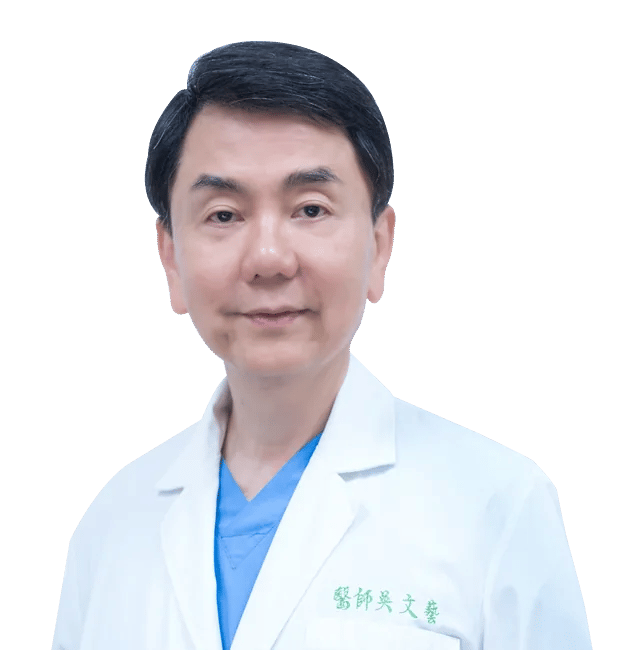
OUR DOCTOR
Dr. Wen-Yi Wu is the founder and medical director of Taiwan Hair Transplant Clinic. He is ABHRS certified, holds FISHRS Fellow status, and has more than 21 years of hair transplant experience.
Credentials and experience are useful when choosing a hair transplant physician, but hair-loss causes, donor conditions and treatment needs differ. A personal medical assessment should also cover suitable procedures, limitations, risks and follow-up care.