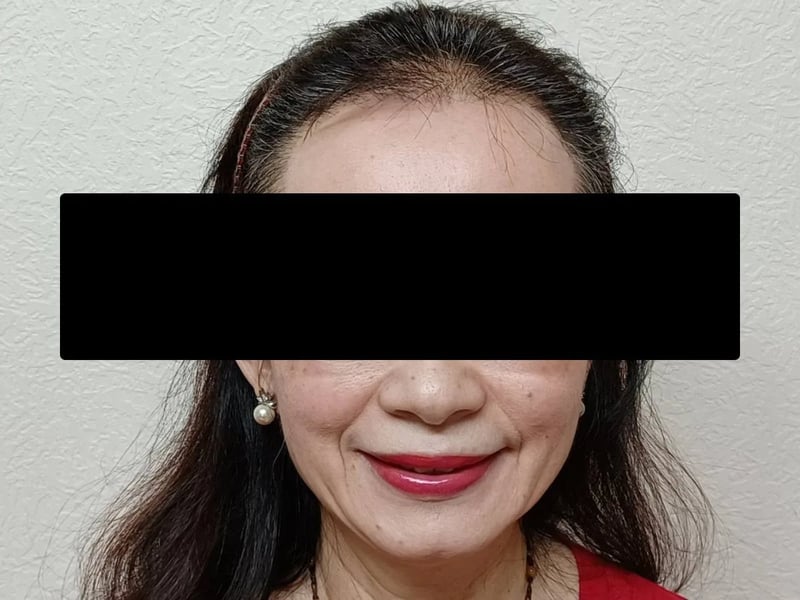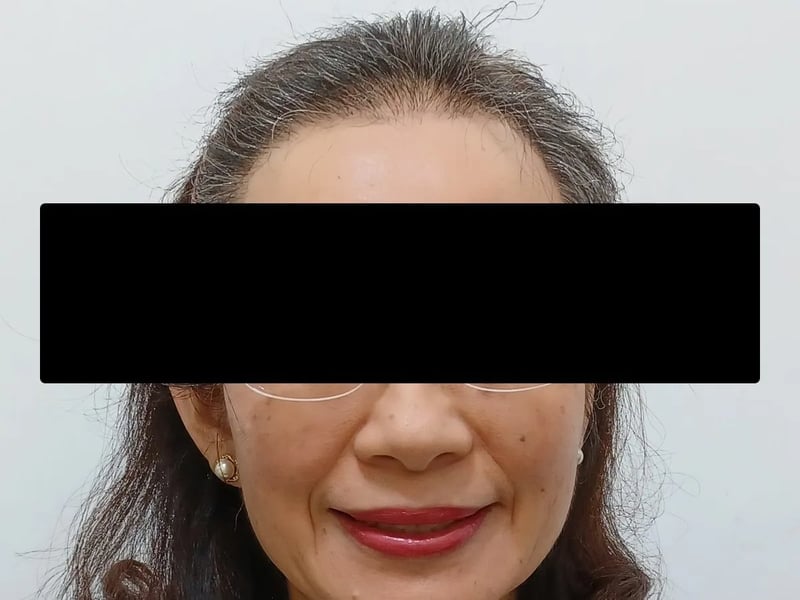

Female Hairline Transplant Case | Before Surgery and About 9 Months After, Two Angles
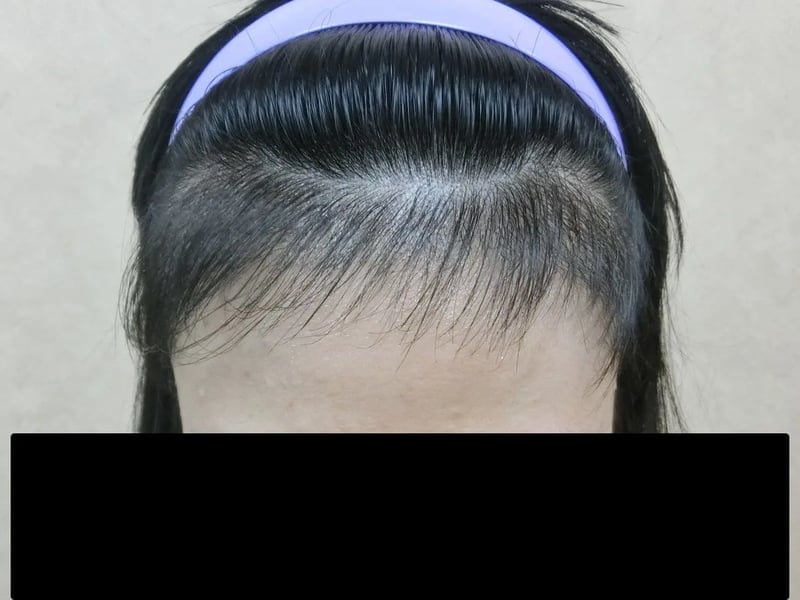
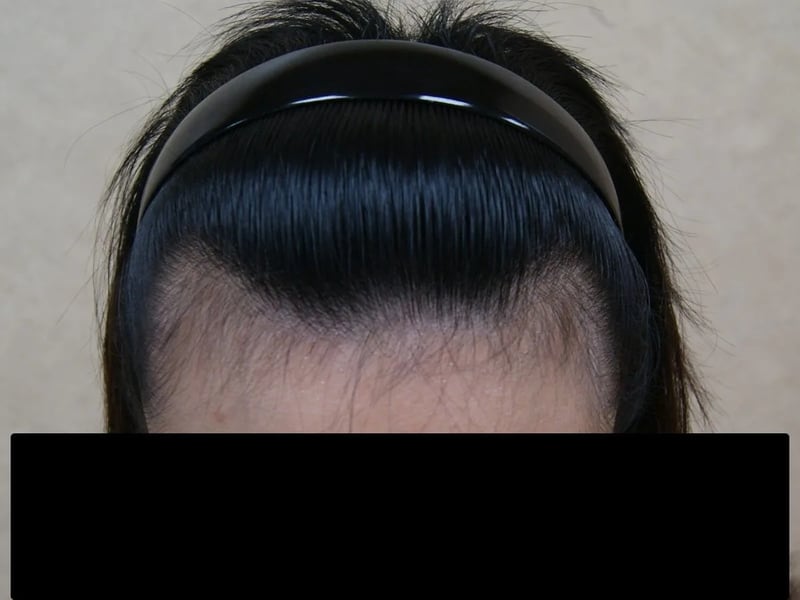
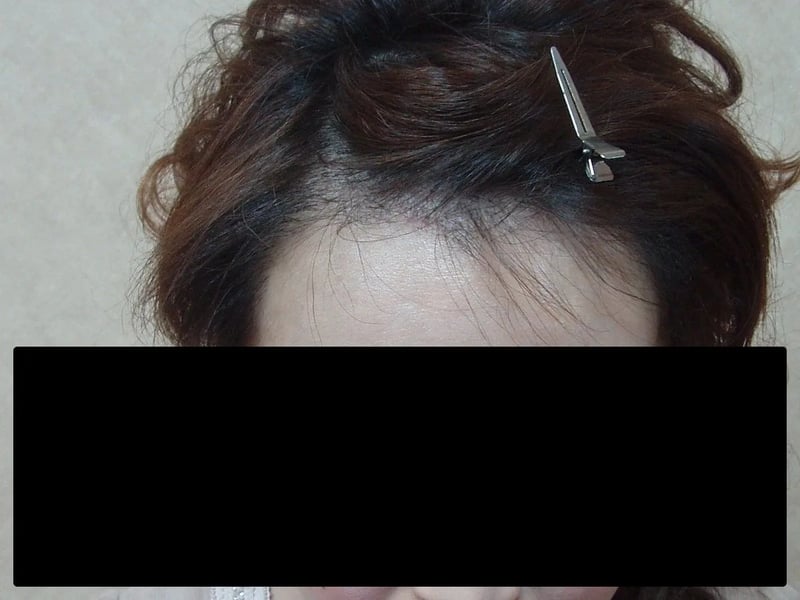
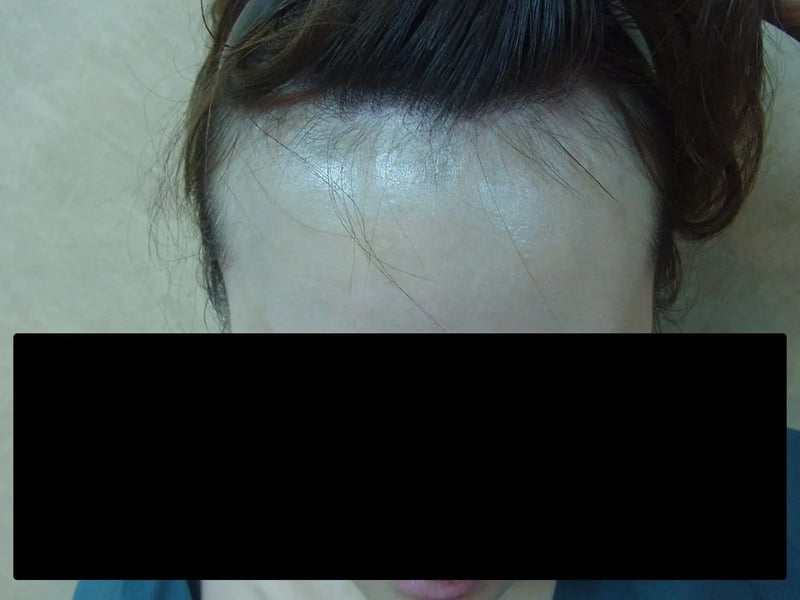
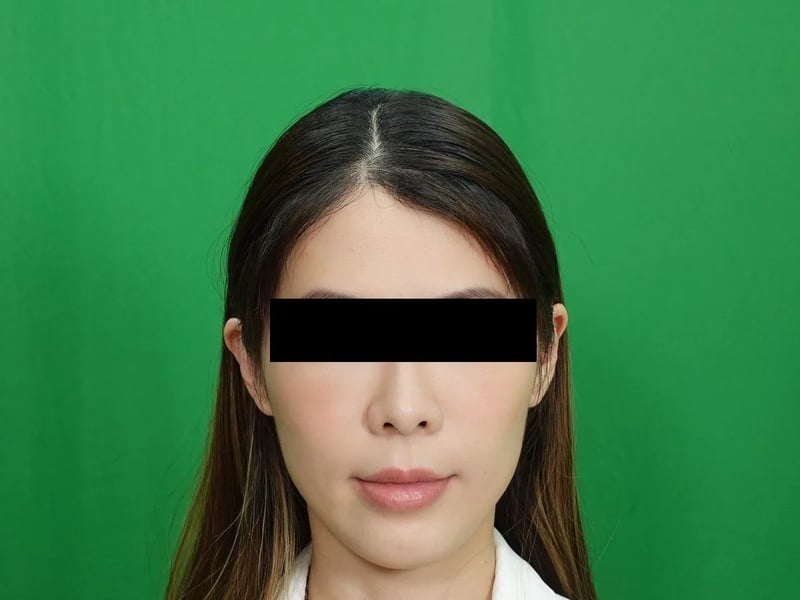
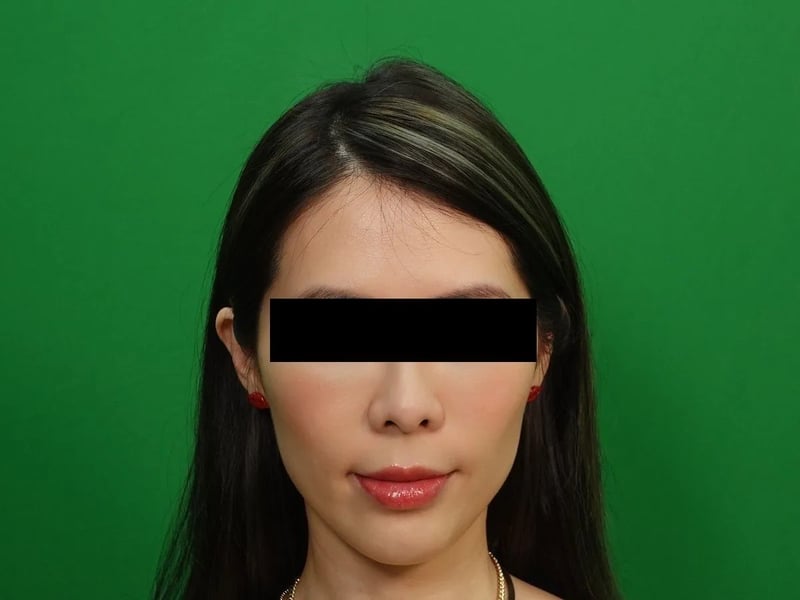
A woman in her 40s came to Dr. Wen-Yi Wu for a hair transplant assessment because her forehead was high and the hair at both sides of the hairline and along the central parting was thin. She hoped for a softer hairline outline and better forehead proportions. Before surgery on the day of the procedure, and again about 9 months after, she was photographed from the front and the left-front against the same background; use the sliders below to compare the two points.
The images in this case focus on the height and curve of the frontal hairline and how the temples join the sideburns. The actual technique, treatment area and graft allocation still need to be assessed by the doctor in person, based on the extent of hair loss, hair calibre, native hair density, donor supply at the back of the scalp and the risk of future hair loss.
Female Hairline: Front and Left-Front Images
The front view shows the hairline height, the central parting and both temples; the left-front view is aligned on the ear to show the outline from the temple to the sideburn. The background and distance were similar in both sessions, but hair colour, parting position and styling differ. The eyes have been masked to protect the patient's privacy.
Drag to compare
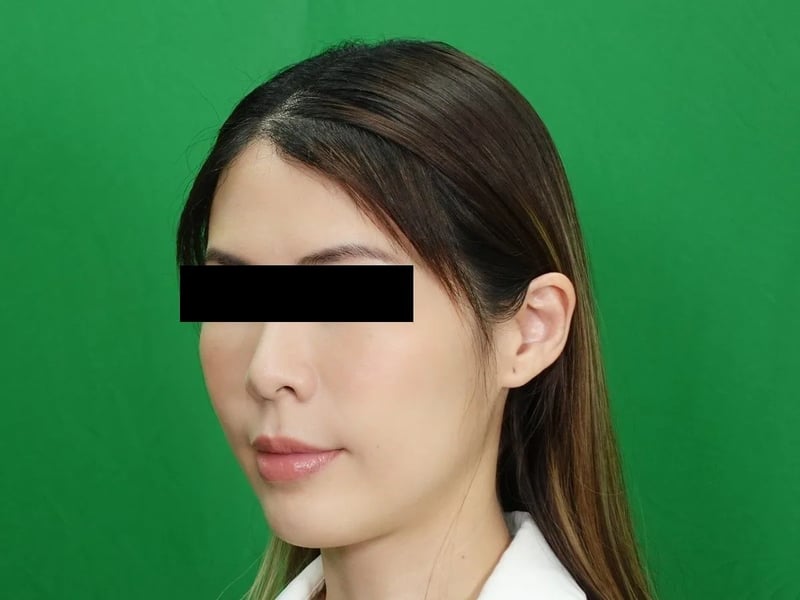
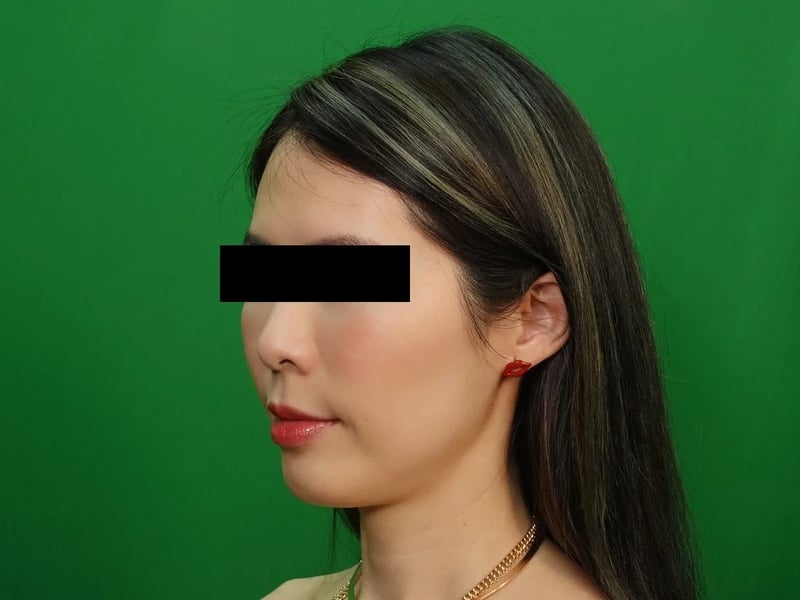
Drag to compare
This is a photo record of a single case and does not mean everyone will achieve the same result. Hair colour, parting, styling, head angle, makeup and lighting were not the same at the two points, which affects how the hairline and forehead proportions appear; in the left-front view the face is also turned slightly more towards the camera after surgery. Transplanted hair usually grows in over several months to more than a year; about 9 months is still within the observation period, and recovery varies from person to person.
What Needs to Be Assessed for a Female Hairline Transplant?
Female hairline planning usually focuses on a soft curve that suits the face, rather than simply moving the hairline down. The assessment checks forehead height, the shape of both temples, native hair density along the parting and at the front, and whether other causes of hair loss are involved, such as hormonal factors, traction or telogen shedding; donor supply at the back of the scalp also affects what can be planned. The actual design and density must be decided at an in-person consultation.
Want to know how your own hairline could be planned?
Results vary between individuals and depend on native hair density, hair calibre, donor supply and aftercare. Graft counts reflect each patient's own hair loss at the time and are not a fixed recommendation; your plan requires an in-person assessment by the doctor.