
FUT 3254-Graft Hair Transplant Case | Front-to-Crown Three-Angle Record
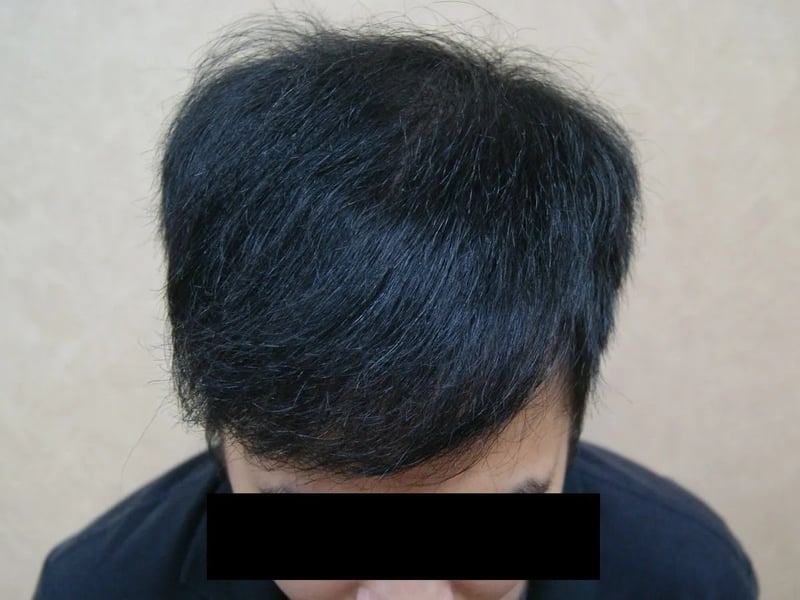
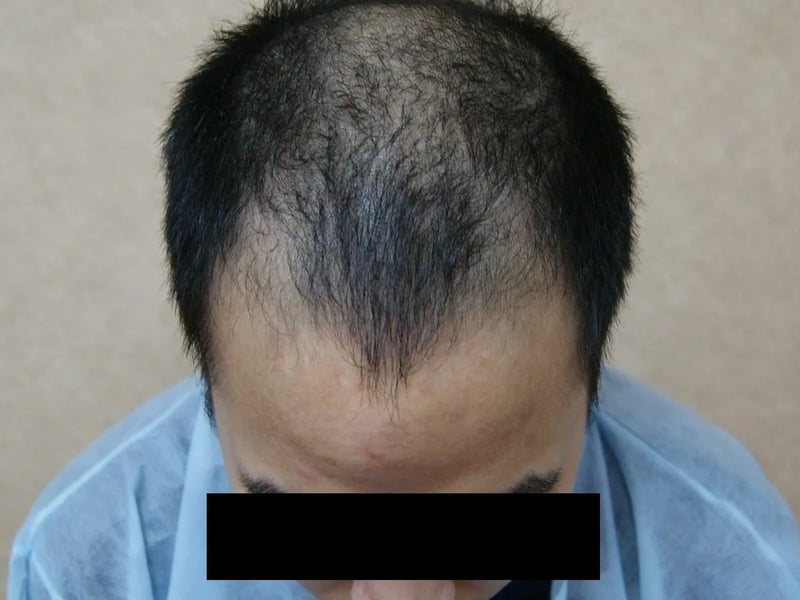
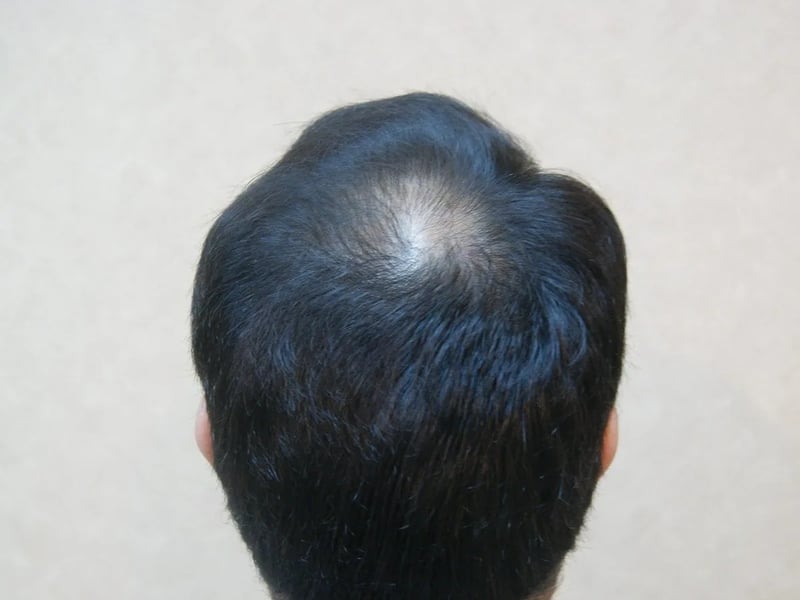
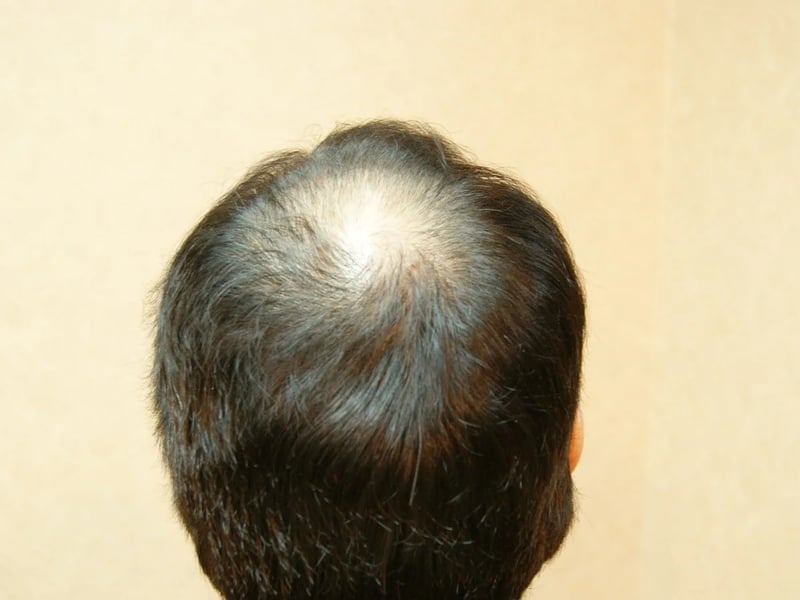
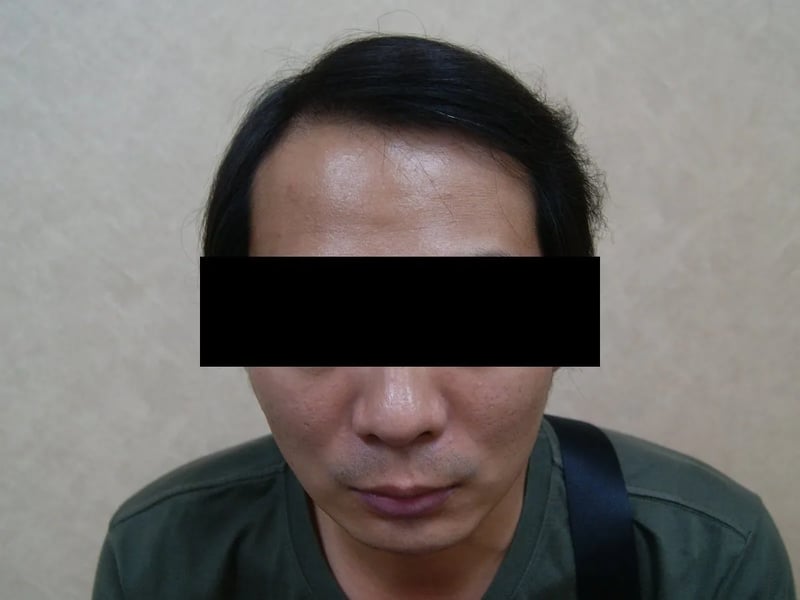
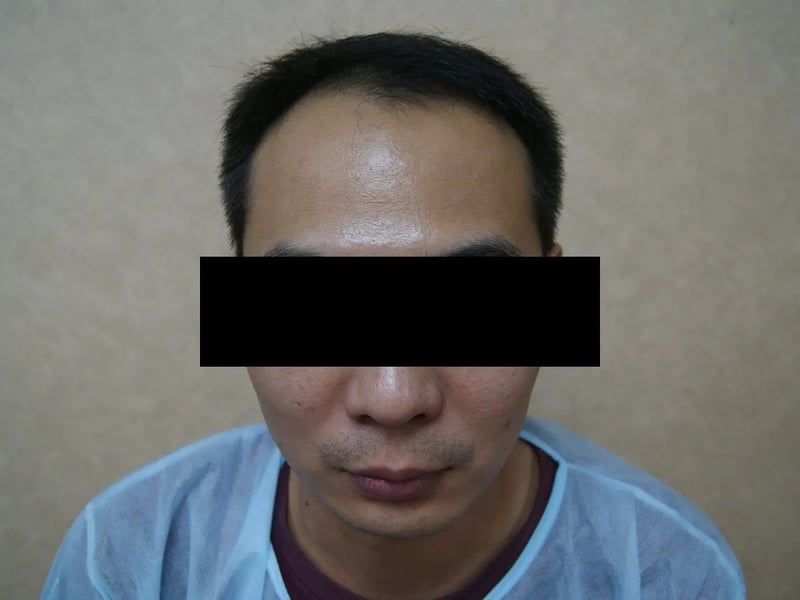
A man in his 30s came to Dr. Wen-Yi Wu for a hair transplant assessment because of his frontal hairline and thinning at the crown, hoping to plan the area from the forehead to the crown. After treatment the case was recorded from a frontal overhead view, a forehead-to-crown overhead view and the crown whorl; use the sliders below to compare the two photo sessions.
The 3,254 grafts were planned around this patient's extent of hair loss and donor supply at the time, and are not a standard recommendation for anyone with a similar appearance. The actual area and technique still need to be assessed by the doctor in person, based on native hair density, hair calibre, donor-area condition, scalp laxity, hair flow and the risk of future hair loss; you can also read first about the key assessment points for FUT hair transplants.
Three-Angle Image Comparison of the Forehead and Crown
The three pairs of photos below were taken from the same angle at different times, so you can see changes at the forehead, crown and whorl. To protect the patient's privacy, the eyes and surrounding area in the front photos are covered with an opaque black bar, while the close overhead and crown whorl photos are cropped so the eyes are not in frame; the hairline, scalp and hair volume are left as they are, with no additions or retouching.
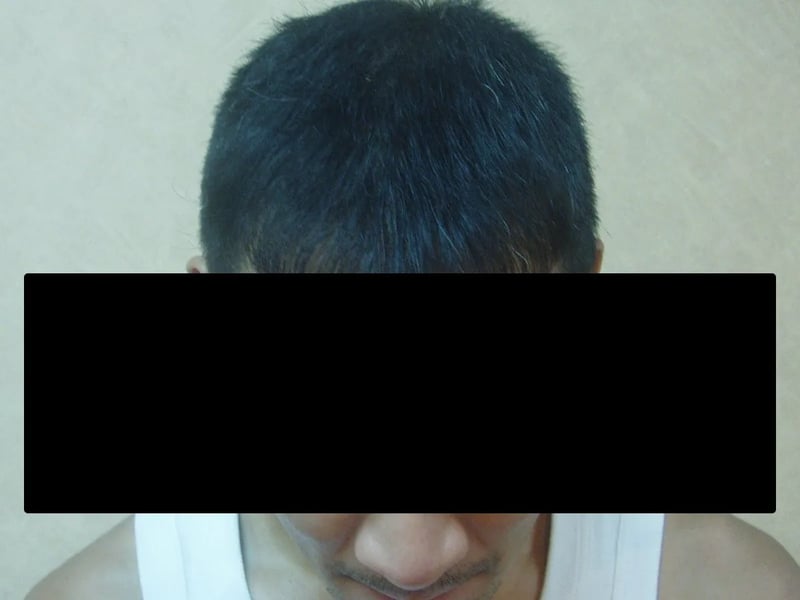
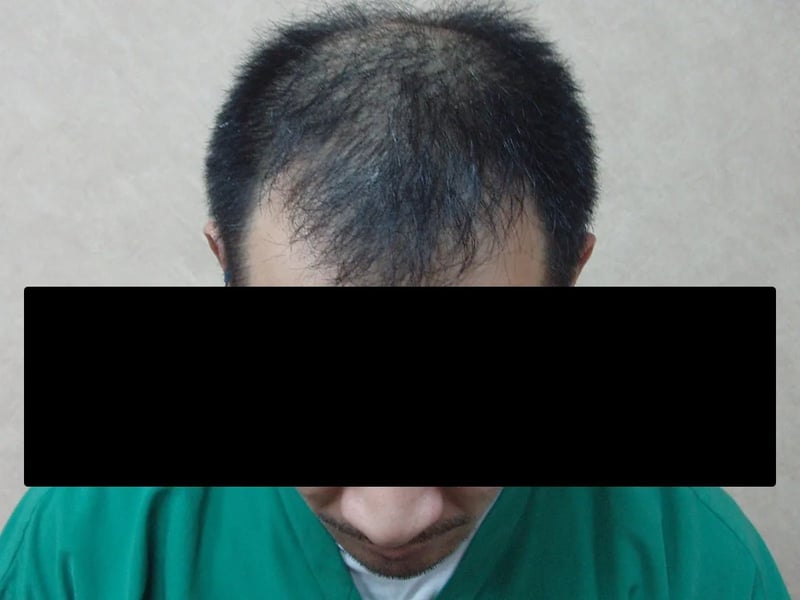
Drag to compare
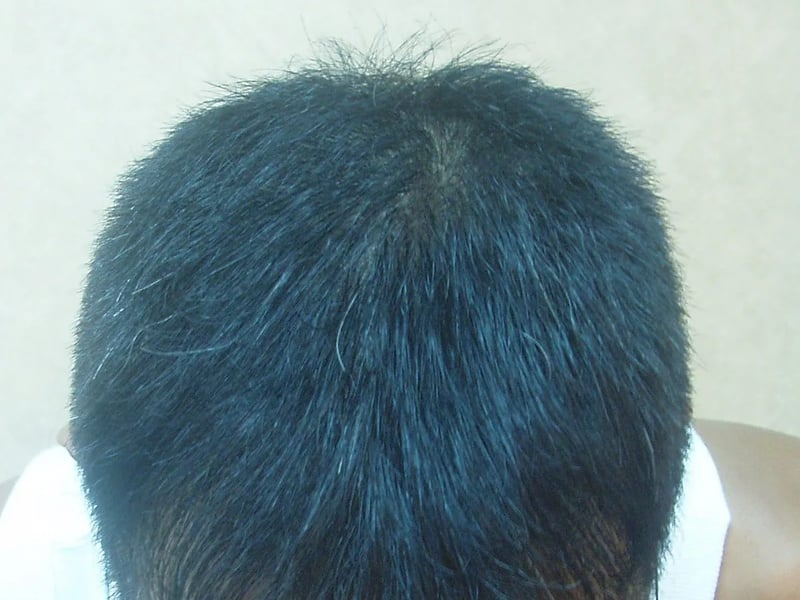
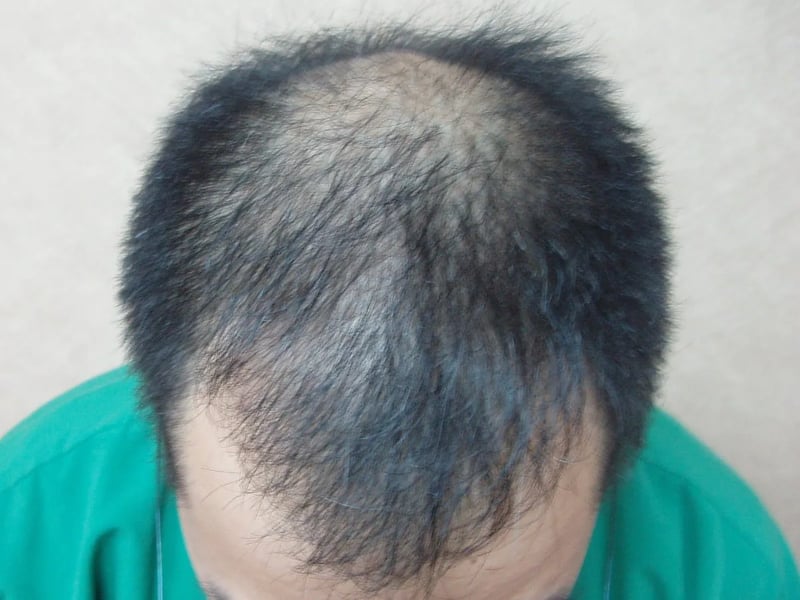
Drag to compare
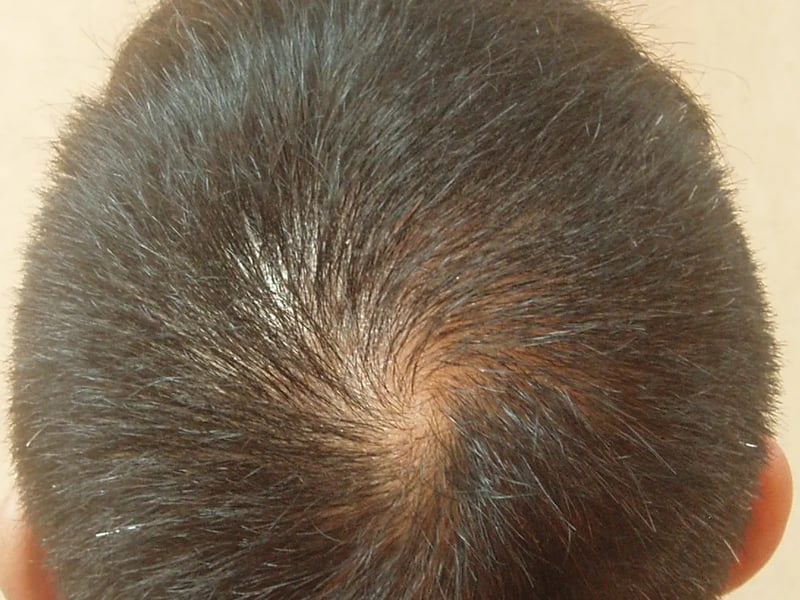
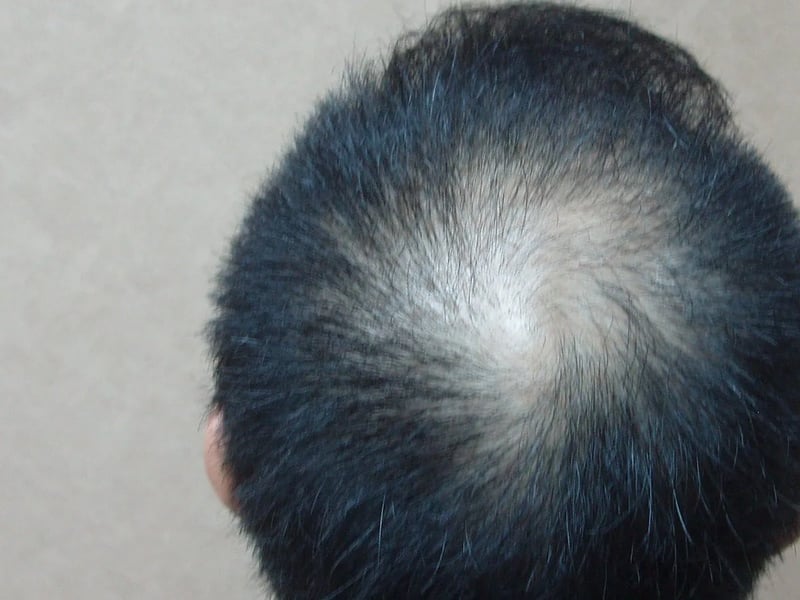
Drag to compare
This is a photo record of a single case and does not mean everyone will achieve the same result. Between the two photo sessions, hair length, styling, head angle, distance, equipment and lighting were not exactly the same, which affects how the hairline, crown and visible scalp appear. Actual recovery and hair growth also vary from person to person.
Thinning at Both the Forehead and Crown: How Are Grafts Allocated?
When the area covers the hairline, forehead and crown, the assessment looks beyond the total graft count to which zones to prioritise and the density for each. The doctor considers facial proportions, existing native hair, the direction of the crown whorl, donor supply and the likelihood of further hair loss to discuss a suitable technique and order of treatment.
Want to know how your own forehead and crown could be planned?
Results vary between individuals and depend on native hair density, hair calibre, donor supply and aftercare. Graft counts reflect each patient's own hair loss at the time and are not a fixed recommendation; your plan requires an in-person assessment by the doctor.