
High Forehead Male Hairline Hair Transplant Case | Hair Diary Video and Pre-op to Follow-up Record
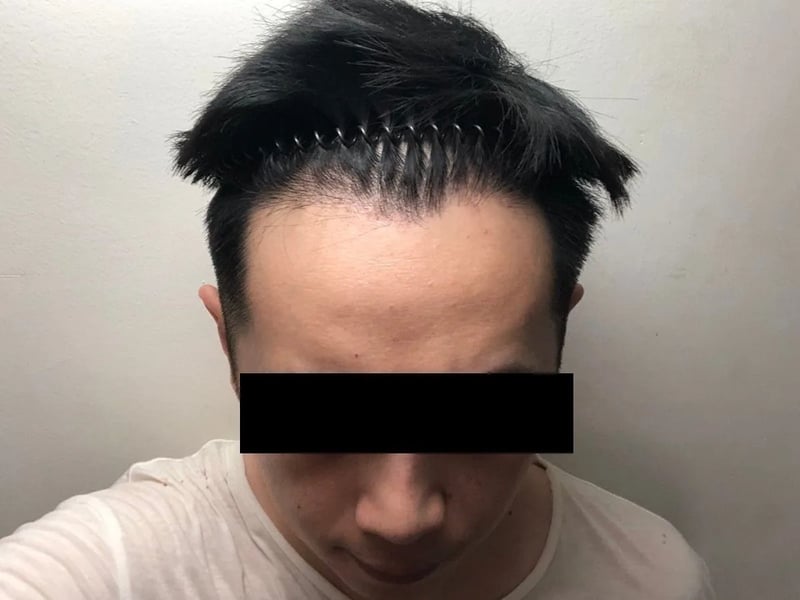
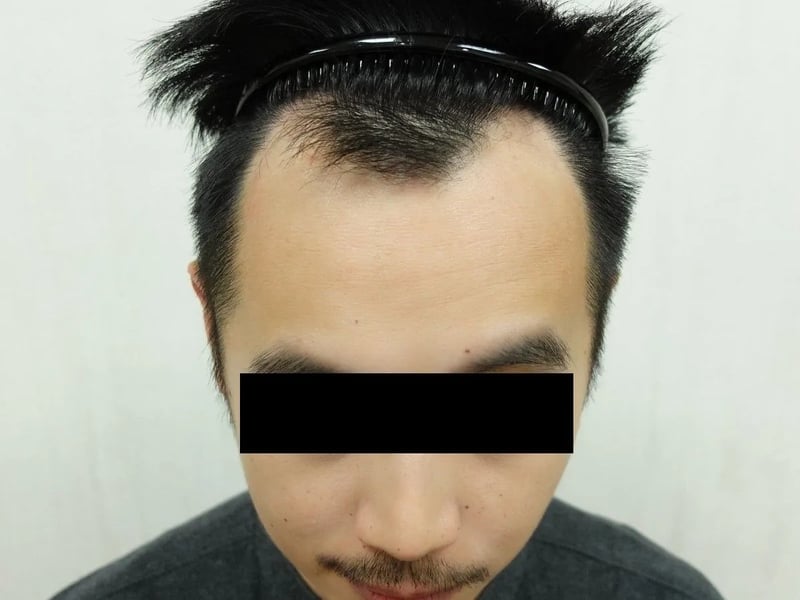
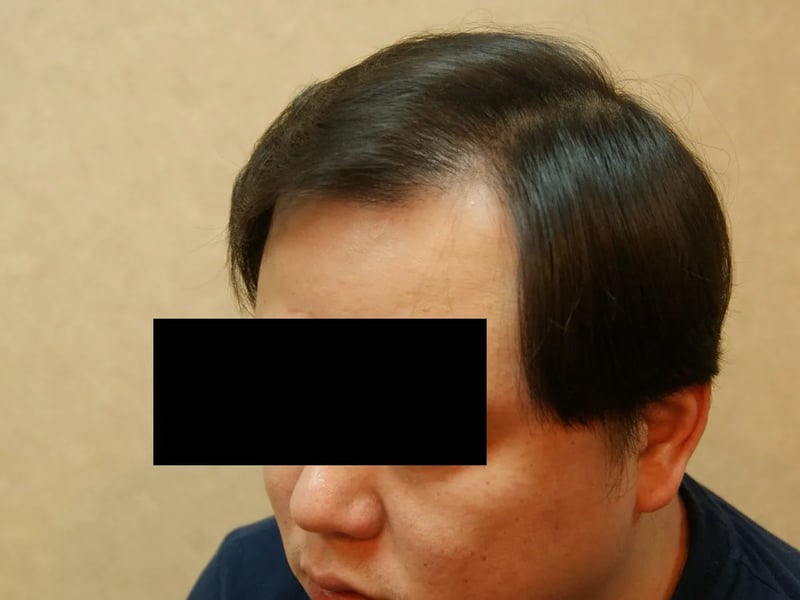
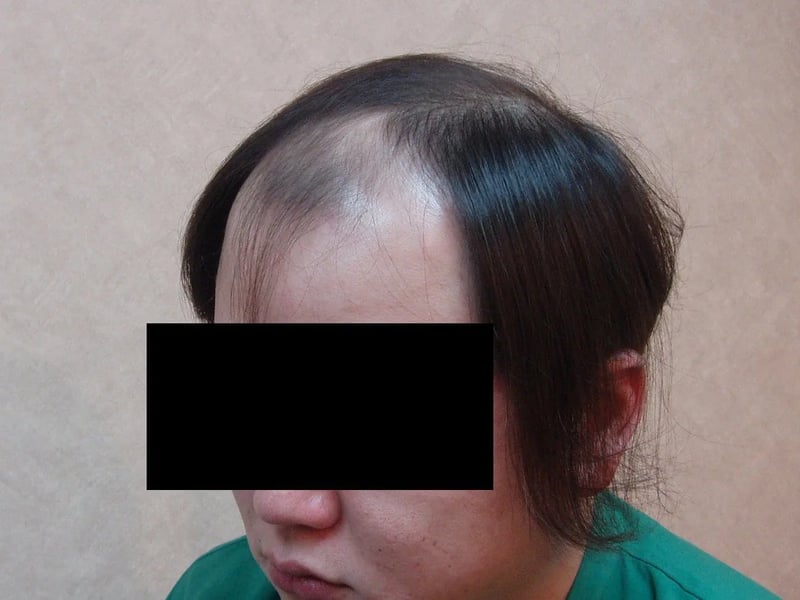
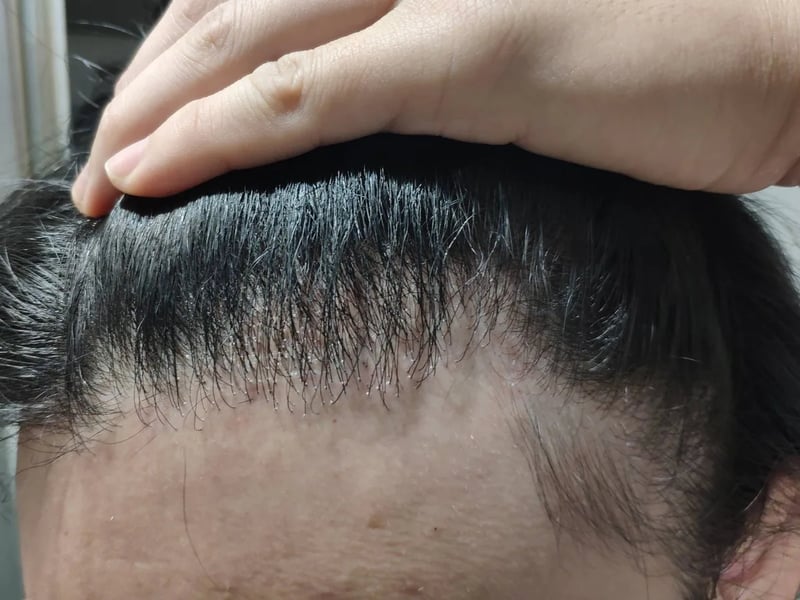
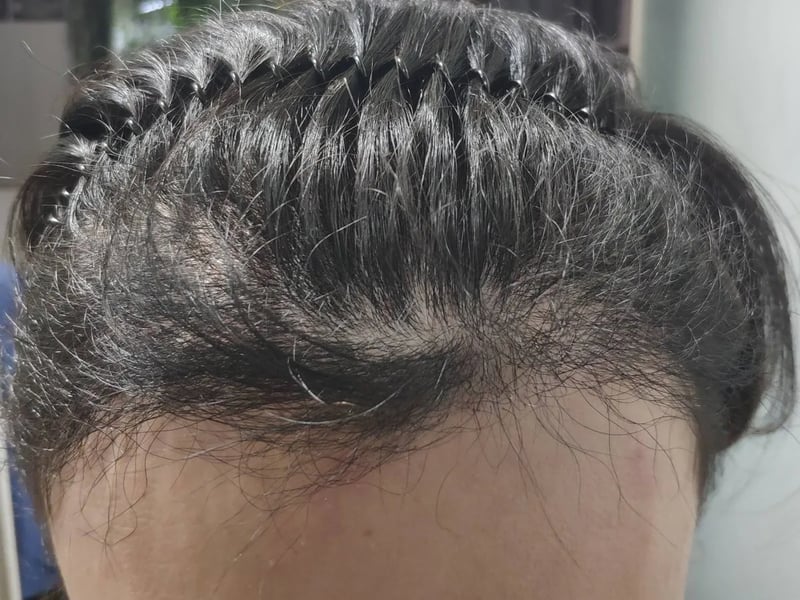
A man in his 20s came to Dr. Wen-Yi Wu for a hair transplant assessment because his forehead sat high and his frontal hairline and both temples had receded, so his fringe could no longer cover it. He hoped to redesign the hairline position and forehead proportions. Use the sliders below to compare the frontal hairline before surgery and at follow-up, and hairline close-ups at about 5 and about 7 months after surgery.
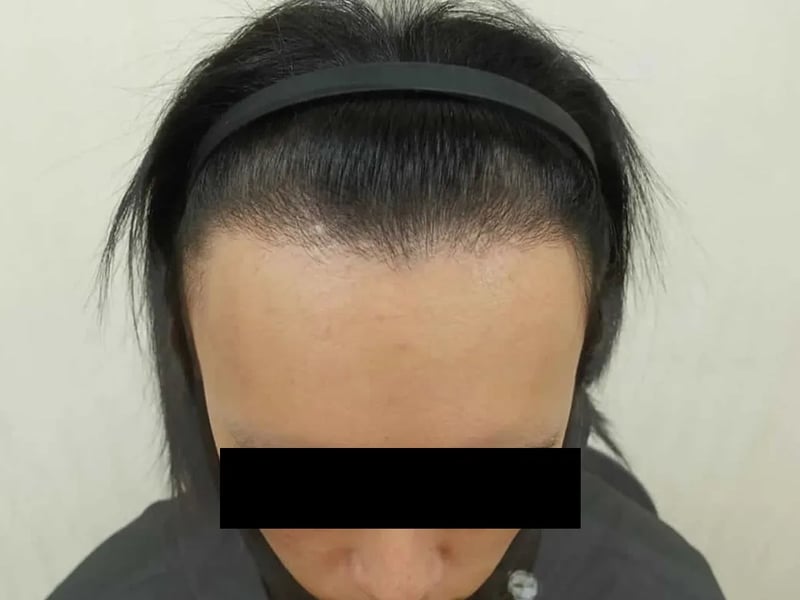
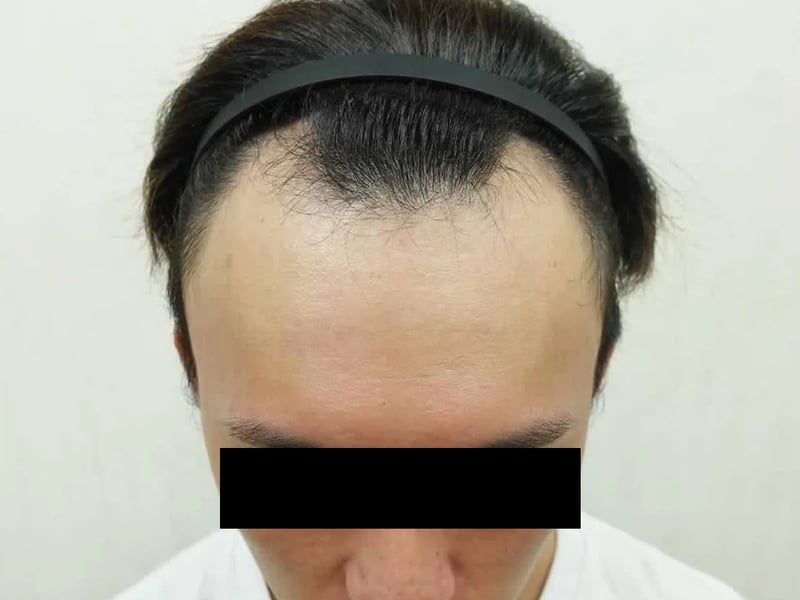
This case uses an overhead view of the forehead to show hairline height, the central outline and both temples. Planning a hairline for a high forehead must consider facial proportions, native hair direction, donor-area condition and future hair-loss trends; the actual technique, treatment area and graft allocation still need to be assessed by the doctor in person.
High Forehead Hairline: Before Surgery and Follow-up
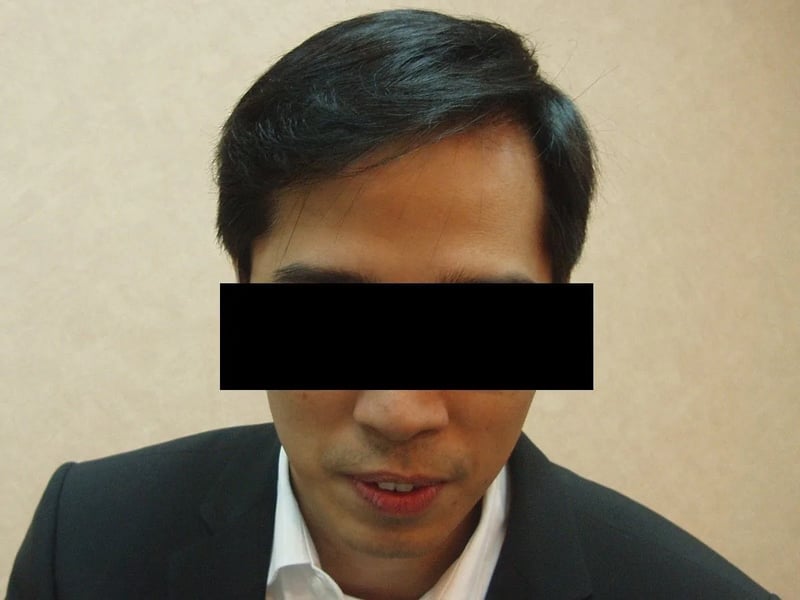
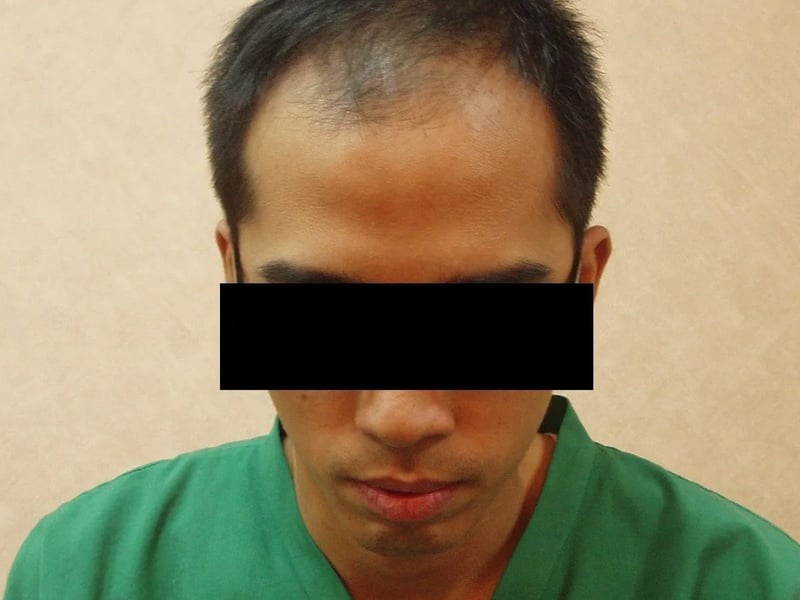
In the first pair, a headband held the hair back in both sessions and the photos were taken from a slightly lowered overhead angle so the frontal hairline and temples can be seen; the eyes have been masked to protect the patient's privacy. The second pair are hairline close-ups taken by the patient about 5 months and about 7 months after surgery; they are not a before-and-after comparison. At about 5 months a headband held the hair back, while at about 7 months the hair was pushed back by hand, and head angle and camera distance also differ slightly.
Drag to compare
Drag to compare
This is a photo record of a single case and does not mean everyone will achieve the same result. Transplanted hair usually grows in gradually over several months to more than a year, and recovery speed varies; if hair loss is still progressing, native hair may continue to change. Camera distance, hair length, lighting and head angle were not identical, which affects how visible the scalp is.
Hair Diary Video: Surgery-Day Record
The patient shared a hair transplant diary on his own channel. The video covers the surgery-day process and common questions such as how the procedure feels, the difference between FUT and FUE, and whether hair falls out again after a transplant. The video is a personal account; the suitable technique and recovery still vary from person to person.
What Needs to Be Assessed for a High Forehead Hair Transplant?
A high forehead is not always caused by hair loss; a naturally high hairline and male-pattern temple recession can occur together. The assessment first checks whether hair loss is stable and whether native hair at the front and temples is still thinning, then decides how far the hairline can be lowered based on facial proportions, while keeping donor supply in reserve for future hair loss. In younger patients the hairline is usually designed at a more conservative height, and medication may be discussed as well when needed.
Want to know how your own hairline could be planned?
Results vary between individuals and depend on native hair density, hair calibre, donor supply and aftercare. Graft counts reflect each patient's own hair loss at the time and are not a fixed recommendation; your plan requires an in-person assessment by the doctor.