
Male Hairline and Crown Hair Transplant Case | Before and After, Three Angles
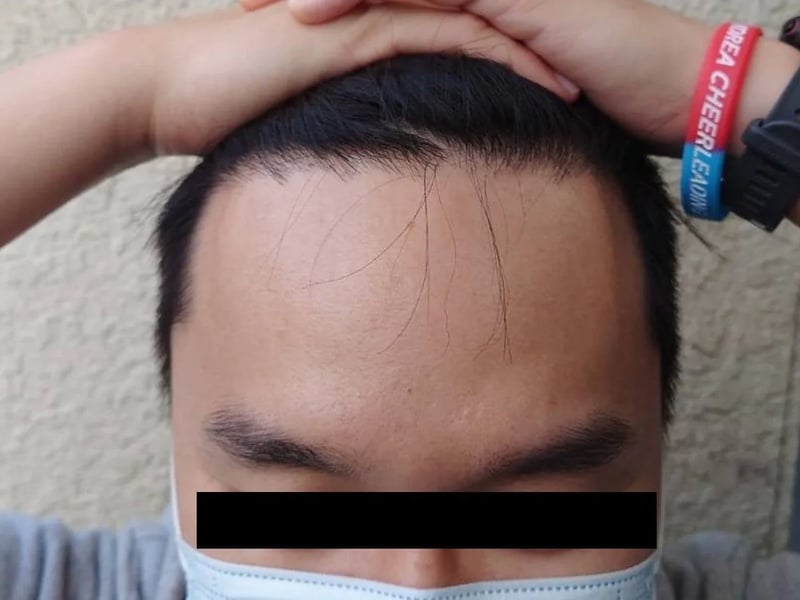
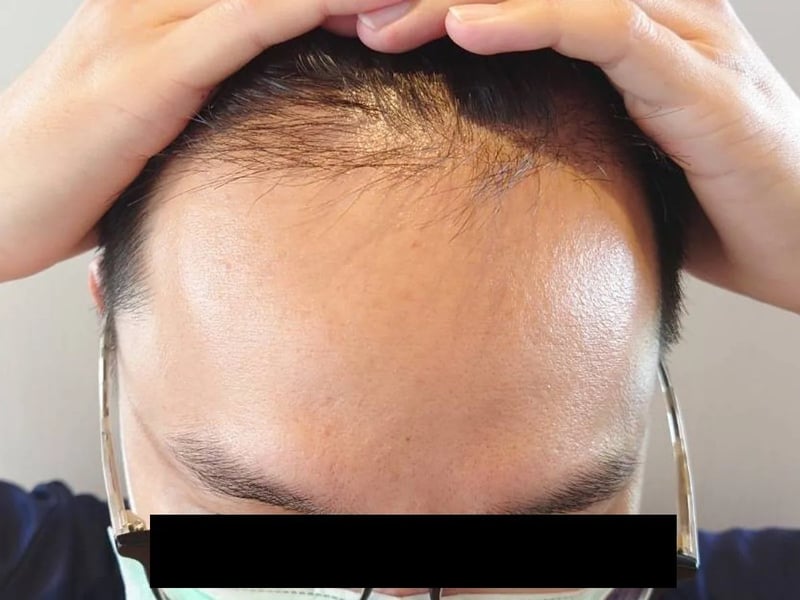
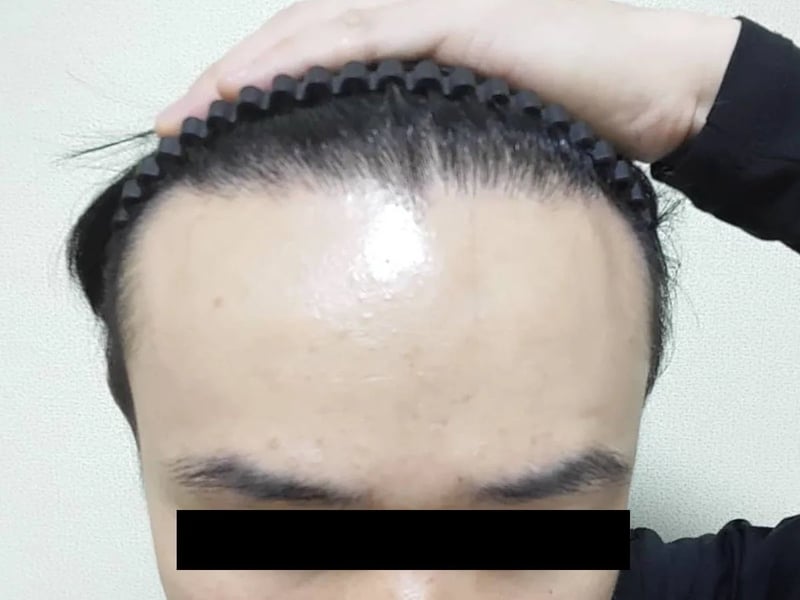
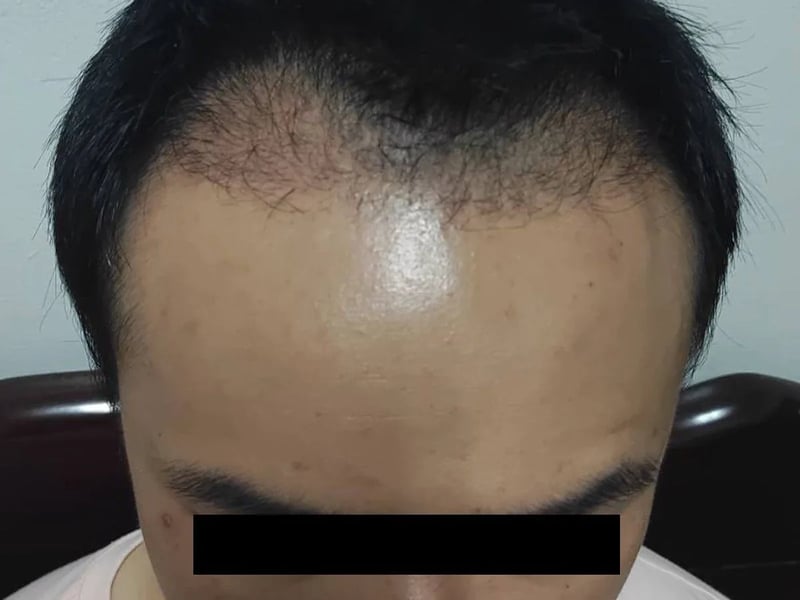
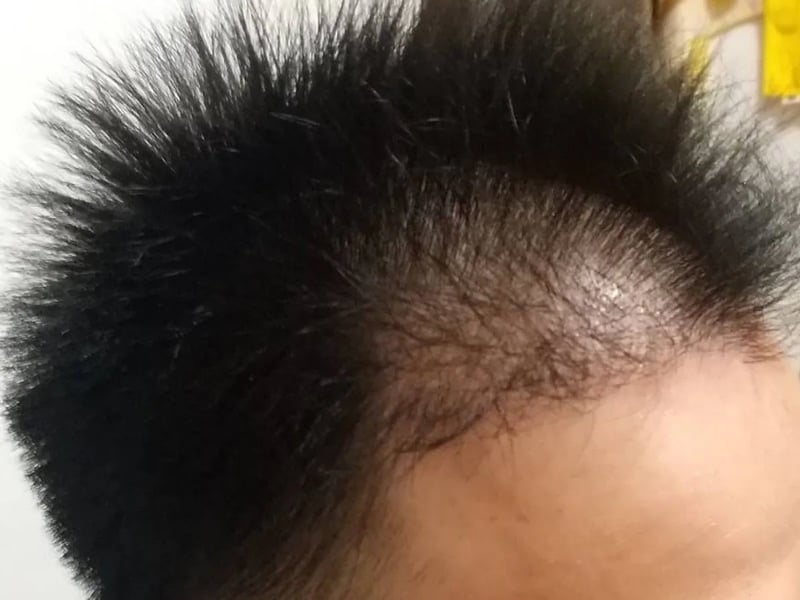
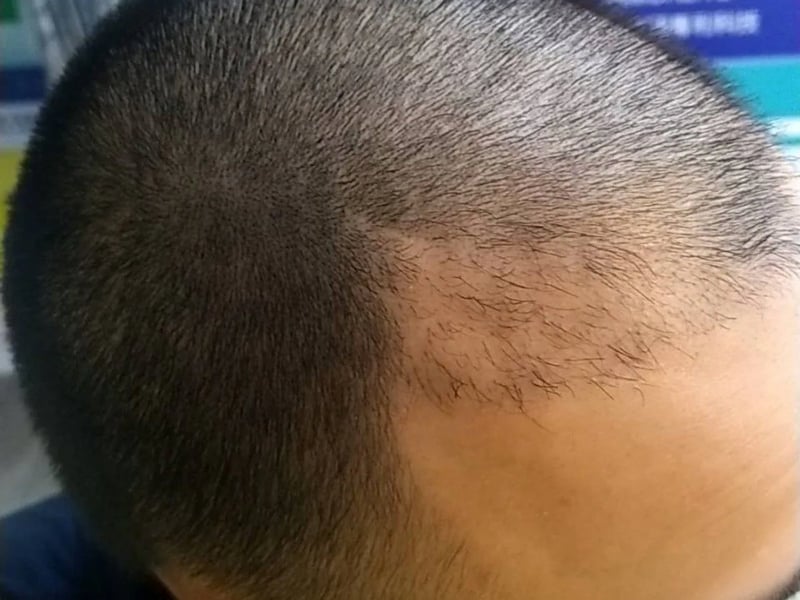
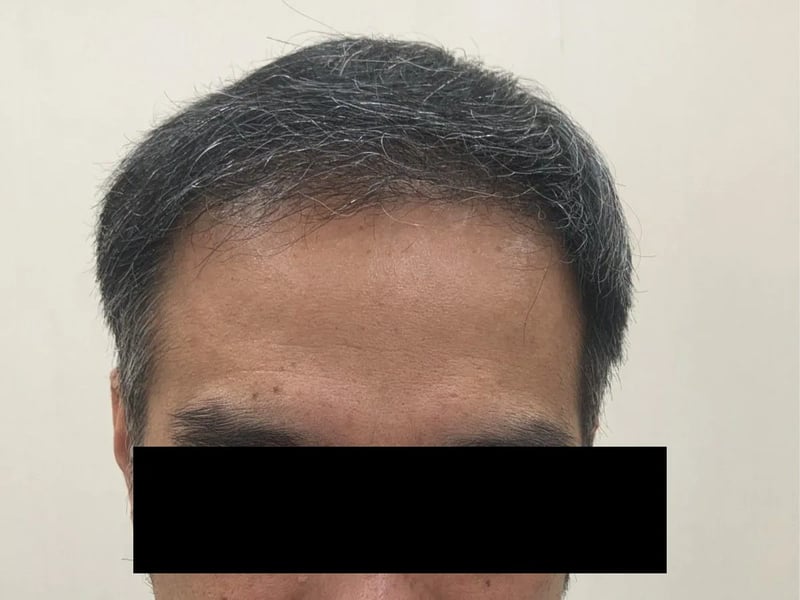
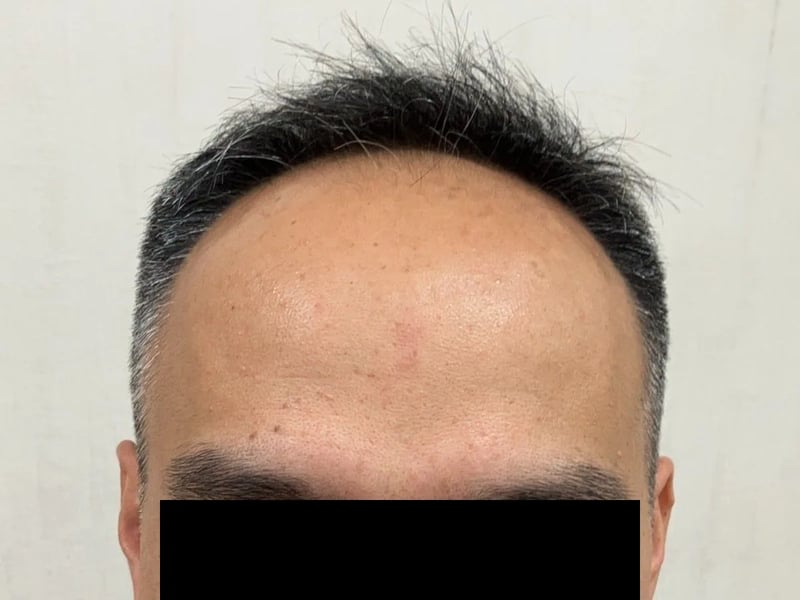
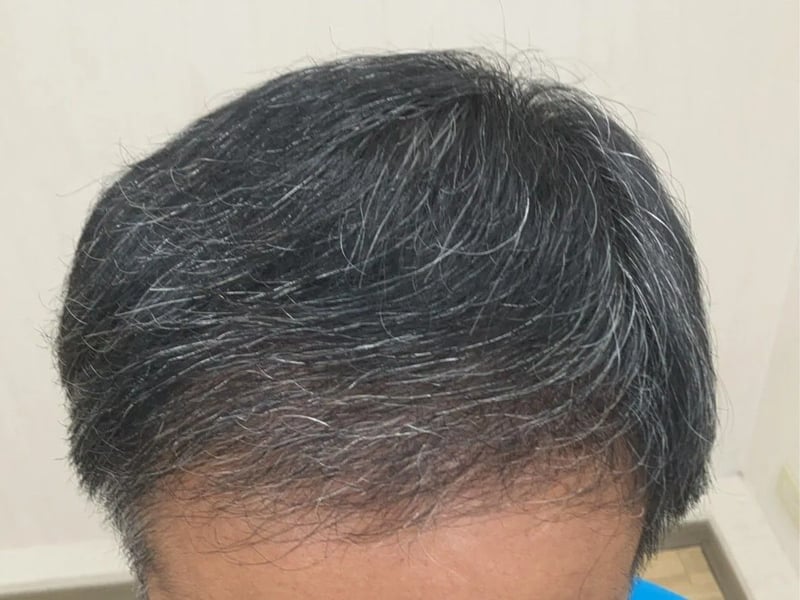
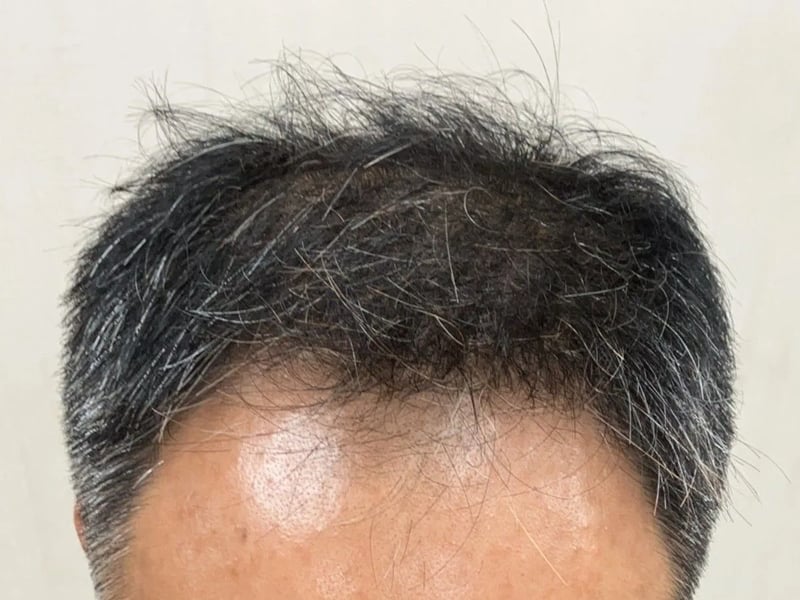
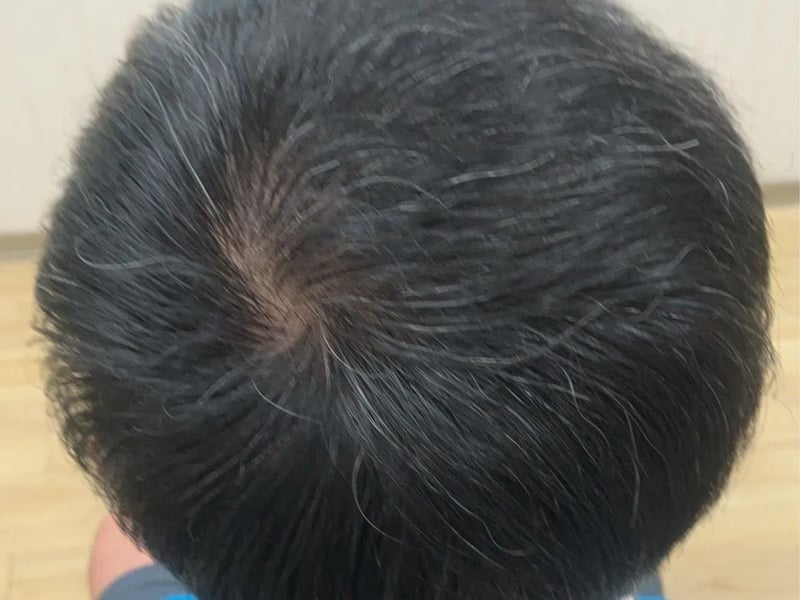
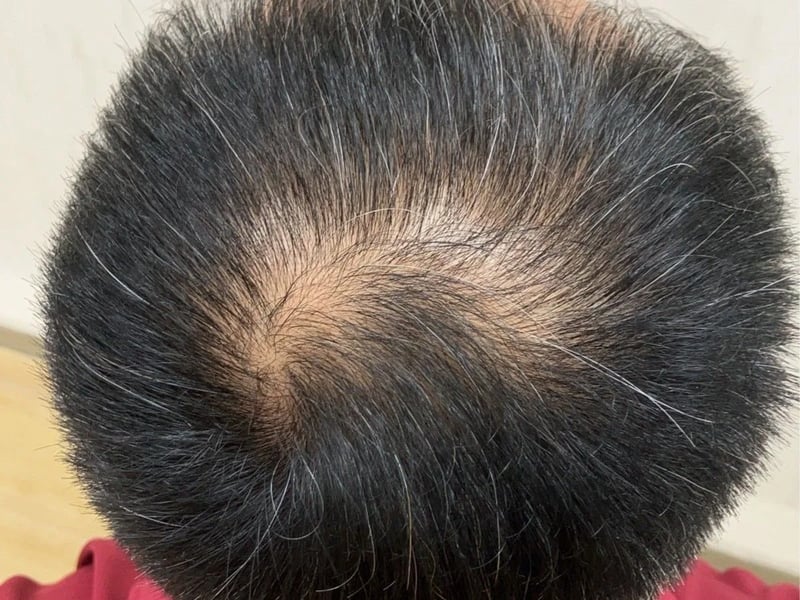
A man came to Dr. Wen-Yi Wu for a hair transplant assessment because his frontal hairline had receded and become high in the centre, and the hair around his crown whorl was getting thinner. He hoped to improve both the front and the crown. He was photographed before and after surgery against the same clinic background, with the after photos taken in June 2026; use the three sliders below to compare the front, top-down forehead and crown views.
This case covers the frontal hairline and the crown whorl. The actual technique, treatment area and graft allocation still need to be assessed by the doctor in person, based on the extent of hair loss, hair calibre, donor supply and the risk of future hair loss.
Front, Top-Down Forehead and Crown Views
All three pairs are aligned on the head outline. From the front, the central hairline was very high before surgery and sits lower afterwards, giving a more complete frontal outline. In the top-down forehead view, the hair was fine and sparse with visible scalp shine before surgery, and a more even row of hair is present afterwards. Around the crown whorl, a large thin area was visible before surgery, and the visible scalp is clearly smaller afterwards. The eyes have been masked to protect the patient's privacy.
Drag to compare
Drag to compare
Drag to compare
This is a photo record of a single case and does not mean everyone will achieve the same result. The hair was shorter and untidy before surgery, and longer and combed forward afterwards; hair length, styling, head angle, camera distance and lighting differed between the two sessions, which affects how much scalp is visible, so the photos should not be read as a direct density comparison.
What Needs to Be Assessed When Both the Front and Crown Are Thinning?
When the front and crown are thinning at the same time, more grafts are needed than for a single area, and how many the donor area at the back of the scalp can provide determines how they are divided. The front, which affects appearance most, is usually prioritised, while the crown is planned according to donor supply and whether hair loss is stable, with medication when needed. Whether to complete it in one session or in stages is decided at an in-person consultation.
Want to know how your own front and crown could be planned?
Results vary between individuals and depend on native hair density, hair calibre, donor supply and aftercare. Graft counts reflect each patient's own hair loss at the time and are not a fixed recommendation; your plan requires an in-person assessment by the doctor.