

Can young people get a hair transplant?
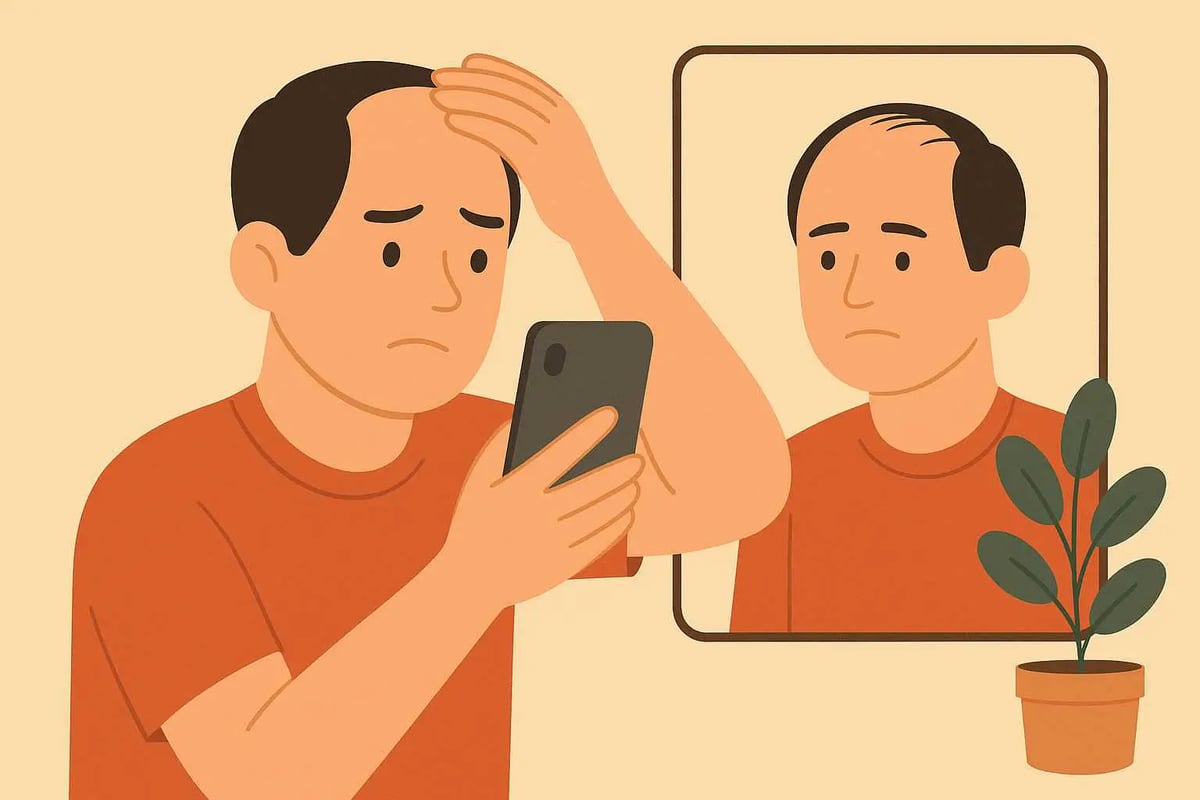
Can You Have Hair Transplantation at 20?
Being 20 does not mean you are completely unable to undergo hair transplantation, but extensive transplant surgeries are generally not recommended for young patients.
For young patients, the biggest issue is not “whether hair can be grown now,” but “whether hair loss will continue in the future.” If you rush into a hair transplant before hair loss has stabilized, even if the transplanted follicles survive, the original hair around the grafts may continue to fall out, resulting in an unnatural appearance.
Therefore, before proceeding with a transplant at 20, doctors typically conduct an initial assessment:
| Assessment Key Points | Description |
|---|---|
| Type of Hair Loss | Is it male pattern baldness, a receding hairline, or vertex baldness (balding at the crown) |
| Speed of Hair Loss | Is the condition deteriorating rapidly in a short period of time |
| Family History | Is there a noticeable history of male pattern baldness in the family |
| Medication Compliance | Is there a willingness to long-term compliance with oral or topical medications to control the condition |
| Future Risk | Is there a risk that it will progress to extensive baldness |
Young people with M-pattern baldness: The first step isn’t hair transplantation, but to stabilize hair loss first
If you are around 20 years old and already have an M-pattern baldness, receding hairline, or high hairline, it is generally recommended to first control the progression of androgenetic alopecia through medication—for example, oral Finasteride (Propecia) or to have the physician evaluate other treatment options.
Why should young people use medication first?
| Benefit | Explanation |
|---|---|
| Stabilize the hair loss progression | It slows down the worsening of androgenetic alopecia |
| Preserve native hair | Prevents continued loss of hair in the non-transplanted areas |
| Reduce surgical risks | Makes it easier for the surgeon to determine the suitable transplant area |
| Improve long-term naturalness | Avoids a future scenario where “grafted hair remains, but the surrounding areas become bald” |
If the patient is unable to adhere to medication, hair transplantation is usually not recommended too early. Since male androgenetic alopecia in young people can still progress, simply repairing the current hairline means other areas will continue to lose hair in the future, which will actually make the overall appearance look less natural.
Is Hair Transplantation Suitable for Young Men with “Mediterranean Baldness”?
If a young person experiences thinning at the crown or a recessed area at the center, commonly known as “Mediterranean baldness,” conventional wisdom usually advises against undergoing hair transplantation too early.
Balding at the crown indicates that androgenetic alopecia may have already progressed to the intermediate to advanced stages, and the pattern of hair loss may expand in the future. If transplantation is performed too early on the crown, it may appear effective in the short term; however, if hair continues to shed around the transplanted area, it may create an unnatural appearance characterized by hair in the center but increasing hair loss toward the periphery.
Why Should Hair Transplantation Be Performed with Caution for Mediterranean Baldness?
| Reason | Explanation |
|---|---|
| Hair loss area may expand | Crown thinning often indicates a more significant progression of androgenetic alopecia |
| Limited donor resources | The number of follicular units that can be harvested is not infinite |
| Prolonged appearance is easily affected | If shedding continues around the area, the transplanted follicles may appear conspicuous |
| Disease progression should be controlled first | It is generally recommended to use medication to stabilize the condition first, and then evaluate suitability for surgery |
In general, young patients with Mediterranean baldness should prioritize pharmacological therapy and monitor if their hair condition stabilizes. If future hair loss stabilizes, a suitable age can generally be determined before a professional physician evaluates whether hair transplantation is appropriate.
Q1:Can I get a hair transplant at age 20? +
Age 20 is not absolutely impossible, but requires careful evaluation. If it is a stable M-pattern alopecia and you are willing to adhere to medication therapy, the physician can evaluate whether a hairline transplant is suitable.
Q2:Do young people with M-pattern alopecia necessarily need hair transplantation? +
Not necessarily. If hair loss is still progressing, medication control is usually recommended first. If the frontal corners show obvious balding and the hair condition is stable, hair transplantation for repair should be considered.
Q3:Will hair grow back if I take medication for M-pattern alopecia? +
The primary function of medication is to slow hair loss and stabilize the progression of androgenetic alopecia. For areas at the frontal corners that have already receded significantly in M-pattern alopecia, regrowth is usually difficult to achieve solely through medication. Therefore, hair transplantation can be evaluated based on the situation.
Q4:Can young people undergo hair transplantation without taking medication? +
This is usually not recommended. If androgenetic alopecia is not controlled, the native hair may continue to shed. Even if the transplanted grafts survive, it may result in an unnatural appearance in the future.
Q5:Can hair transplantation be done for vertex alopecia? +
Yes, but early transplantation is generally not recommended for young patients with vertex alopecia. It is suggested to stabilize hair loss at the vertex with medication first, followed by a physician's assessment of the optimal surgical timing.
Q6:Will I need further hair transplants in the future after getting one as a young person? +
It is possible. If androgenetic alopecia continues to progress, hair loss may occur in other areas in the future. Therefore, young patients require a long-term treatment plan rather than just a single surgery.
Related articles
This article has been reviewed and medically approved by Dr. Wen-Yi Wu

Dr. Wen-Yi Wu|Director, Mong Hair Clinic
- ● Fellow of ISHRS (FISHRS)
- ● ABHRS Board-Certified Hair Restoration Surgeon
- ● President of TSHRS (Taiwan Society of Hair Restoration Surgery)