
How Hair Transplants Work
A finite supply of donor follicles is redistributed to areas needing restoration; surgery does not create new follicles.
How It Works · Technique Comparison · Medical Assessment · Hair Growth
Hair transplant surgery moves donor follicles to the hairline or thinning areas. Compare FUE, FUT and COMBO, candidacy, grafts, cost, recovery and expected growth.
Understand the harvesting method, candidacy and limitations before planning around your donor supply and pattern of hair loss.
A finite supply of donor follicles is redistributed to areas needing restoration; surgery does not create new follicles.
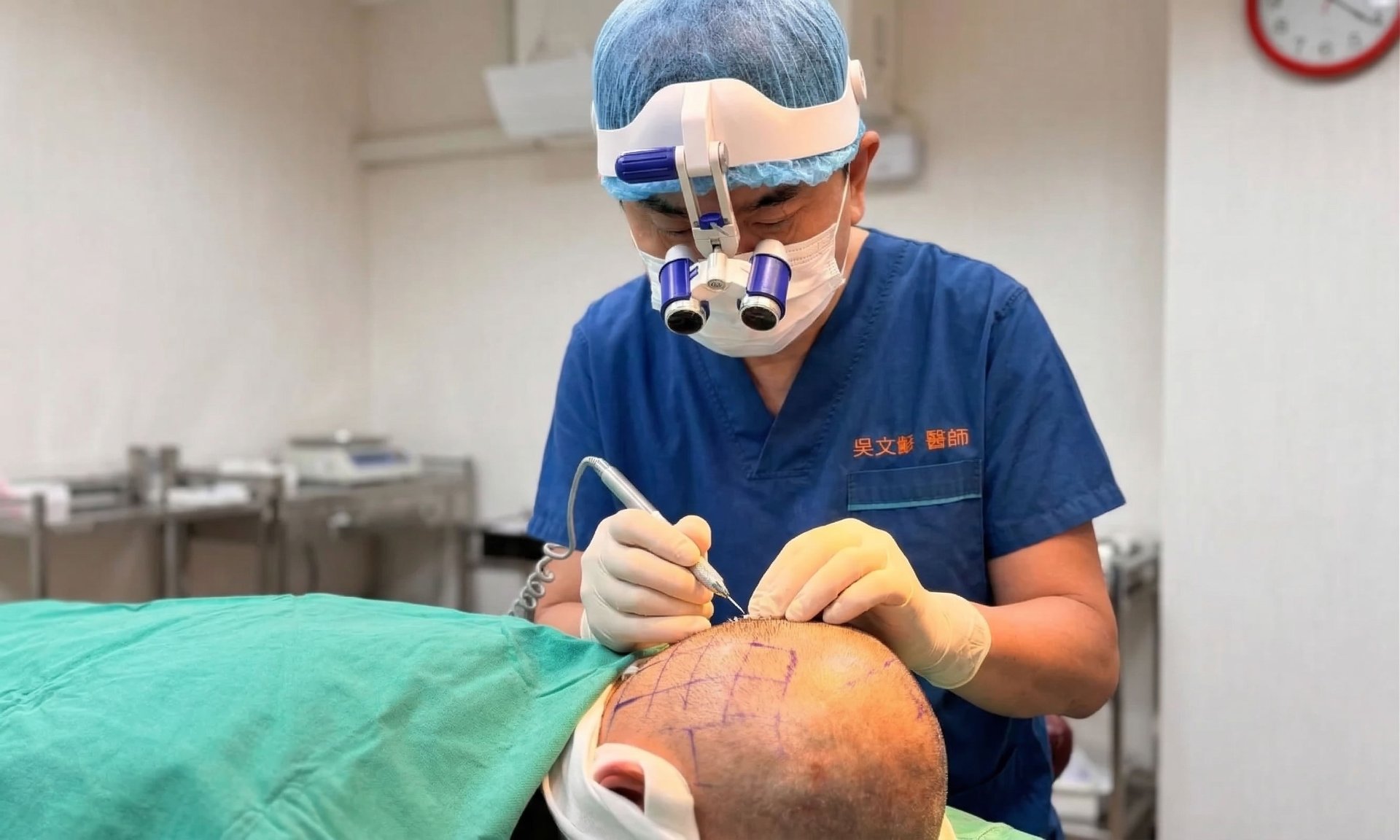
A small punch releases follicles one by one. It usually avoids a FUT linear scar but may leave scattered dot scars.
A strip of donor scalp is removed and dissected under magnification. It may support higher graft needs but leaves a linear scar.
FUT and FUE can be combined when donor conditions support a higher-graft plan; it is not necessary or suitable for everyone.
Cost is influenced by technique, graft requirement, treatment area, donor conditions and surgical planning, so an examination is needed.
New hair develops gradually, but transplantation does not stop native hair from thinning. Outcomes and future treatment vary by patient.
Suitability depends on more than the area you want to improve. The doctor also assesses the diagnosis, donor area and likely long-term progression.
A transplant redistributes a finite supply of follicles, so diagnosis, donor assessment and design all matter.
Review the timeline, rate of loss, family history, scalp condition and previous treatment, and rule out causes not suited to immediate surgery.
Assess occipital density, hair calibre, scalp condition and previous procedures to avoid overharvesting.
Balance facial proportions, natural direction, future loss and available follicles when prioritising coverage and graft distribution.
These are general milestones. Follow the doctor's individual instructions for washing, work, exercise and follow-up.
The donor and recipient areas may be red, tight or mildly oozy. Avoid impact, rubbing and scratching.
Crusting gradually forms. Clean only as instructed and do not pick or remove scabs yourself.
Transplanted hair shafts may shed as they enter a resting phase; follow-up helps distinguish expected change from a concern.
New hair commonly emerges and thickens gradually while density, direction and native hair are monitored.
Every surgical hair restoration procedure has individual variation and risks that should be discussed during consultation.
This page is for education and does not replace a medical consultation. Technique, graft count, cost, recovery and outcome vary by patient.
| 項目 | ✅ 優點 | ⚠️ 缺點 |
|---|---|---|
| Scarring | No visible scar; tiny scattered dots suit short hair | Donor area must be shaved; over-harvesting may reduce density |
| Recovery | Small, scattered donor wounds may allow an earlier return to routine for some patients | Improper aftercare may cause folliculitis or discomfort |
| Natural Look | Hair direction and density customized for a natural result | Requires high surgical skill; uneven placement affects outcome |
| Versatility | Targets hairline, eyebrows, beard, and scar areas | Improper local treatment can still affect appearance |
| Surgery Time | Each graft handled precisely for maximum quality | Long procedure (4–8 hrs); physically demanding for the surgeon |
| Cost | Precision technique delivers stable, long-lasting results | Higher cost; priced per graft based on quantity and difficulty |
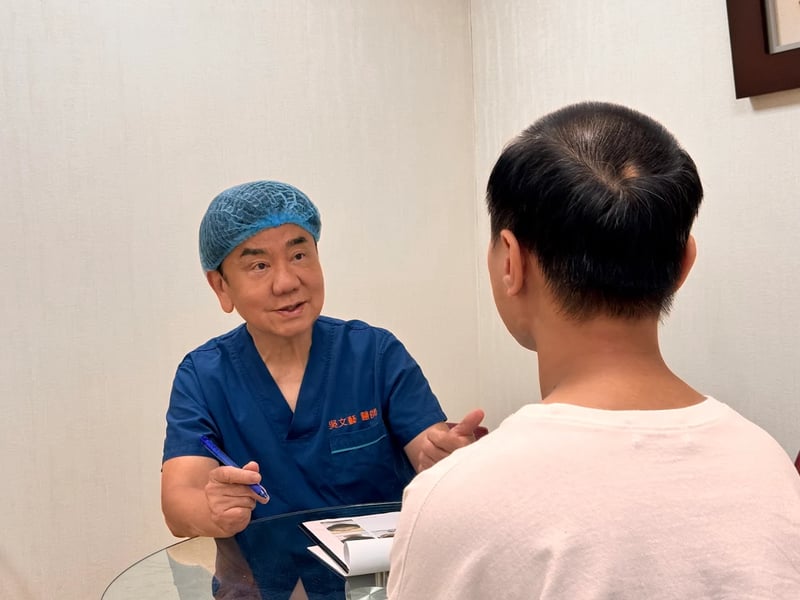
Dr. Wu personally assesses the diagnosis, pattern of loss, donor supply and goals, then compares FUE, FUT and COMBO and estimates the graft requirement. There are no sales consultants.
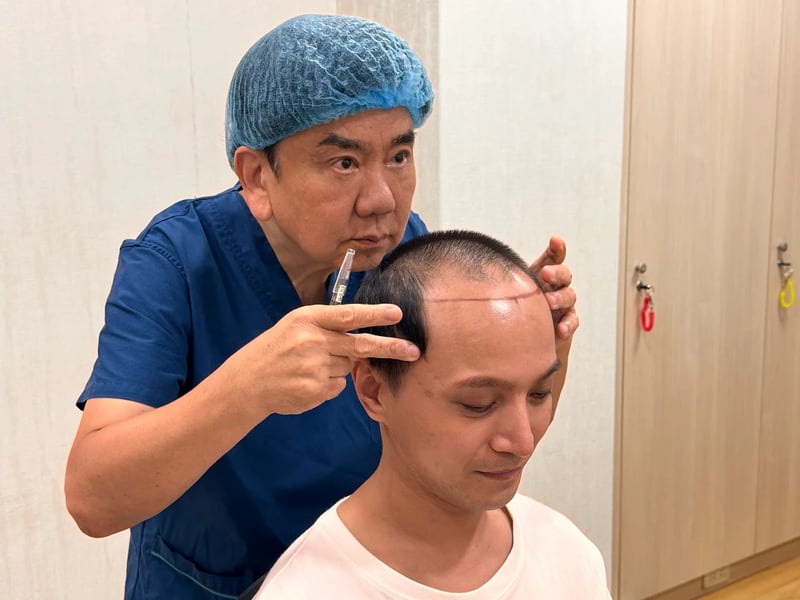
Dr. Wu performs a comprehensive pre-op evaluation based on age, facial proportions, available donor follicles, and projected future hair loss, then designs a natural hairline tailored to your head shape and estimates the required graft count.
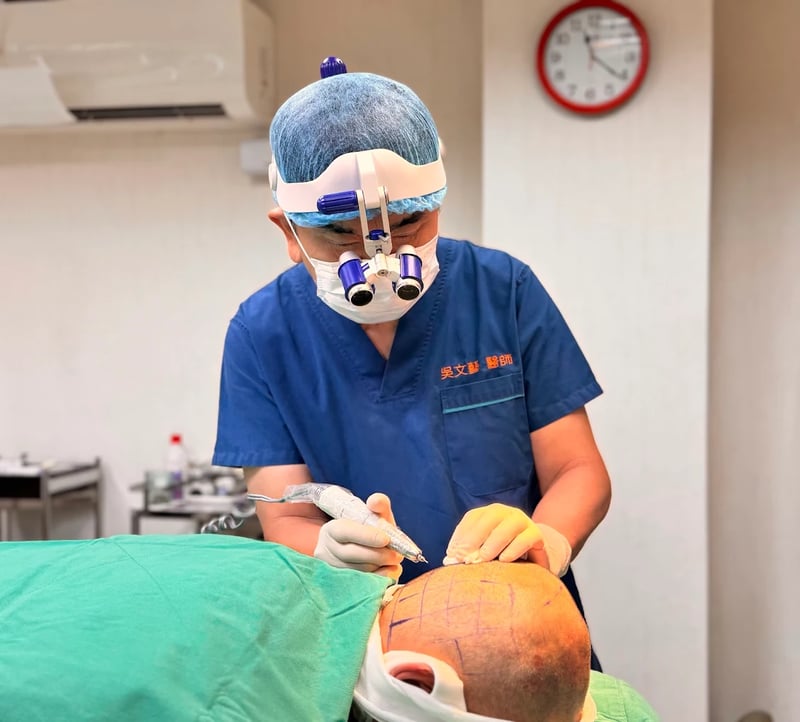
Under local anaesthesia, Dr. Wu and the nursing team harvest grafts using the planned FUE, FUT or COMBO approach, then implant them according to the natural direction, angle and density. Procedure time, discomfort and return to work vary.
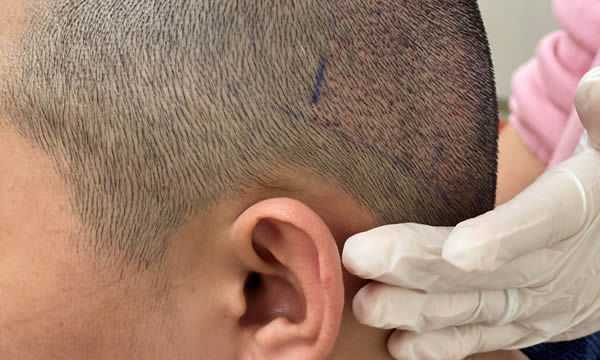
A follow-up visit the next day for scalp cleansing, wound inspection, and a full post-operative care briefing by professional nursing staff to ensure optimal follicle survival.
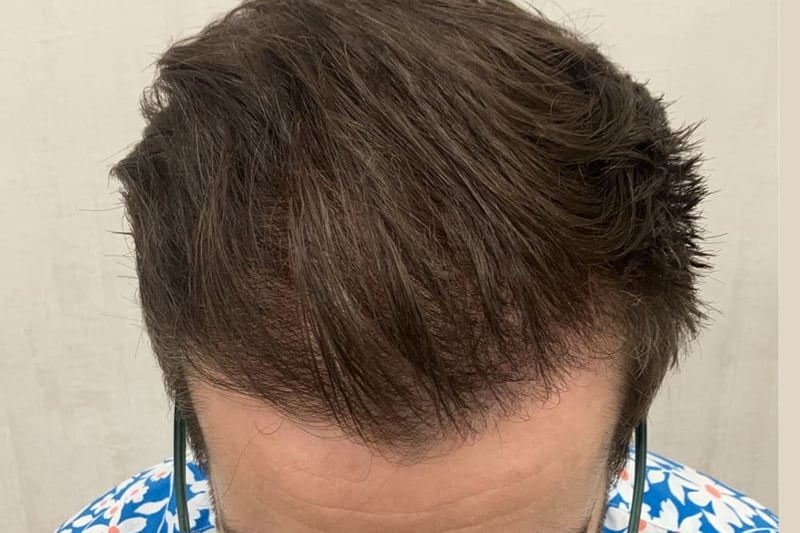
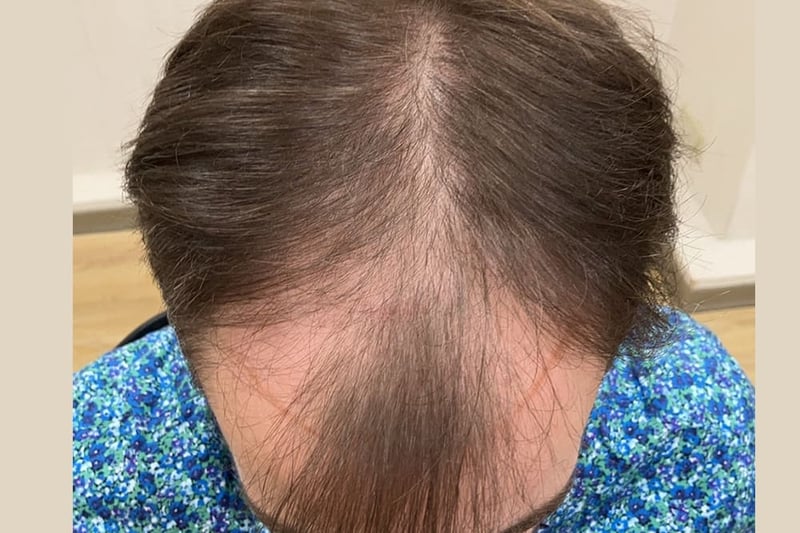
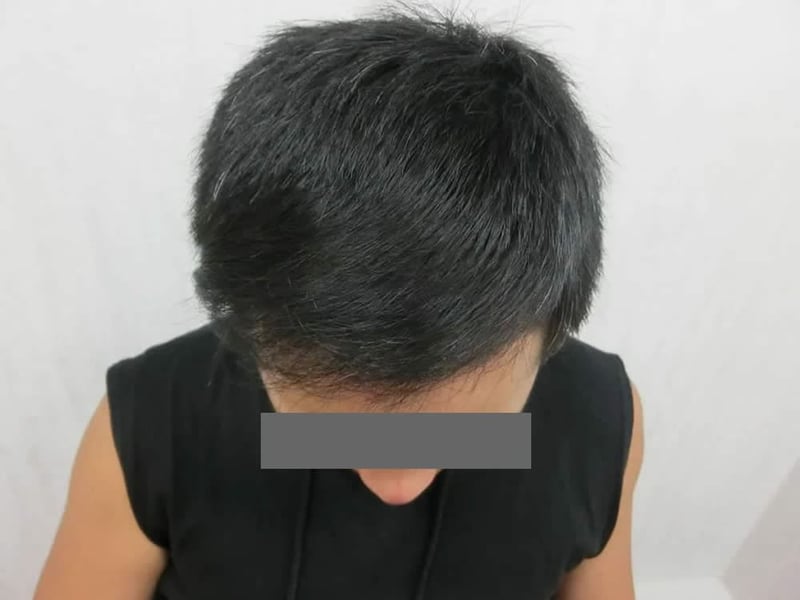
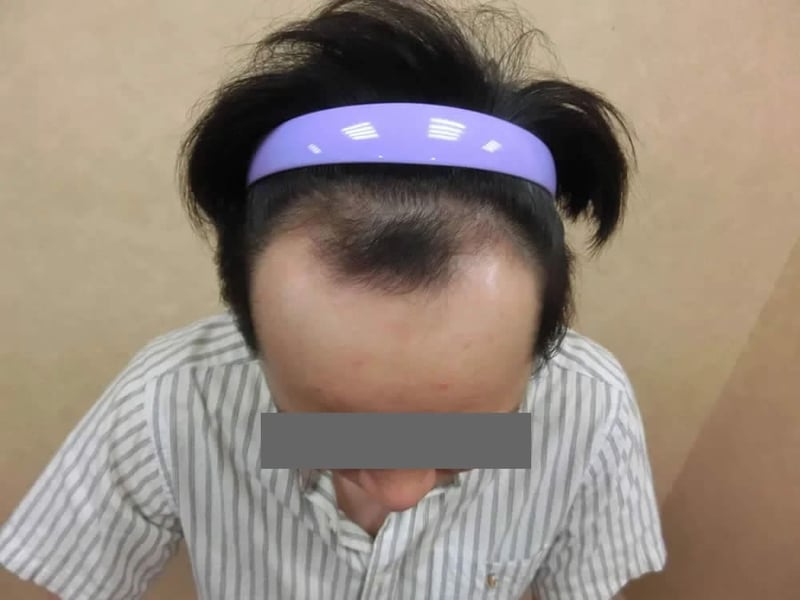
Real results from real patients
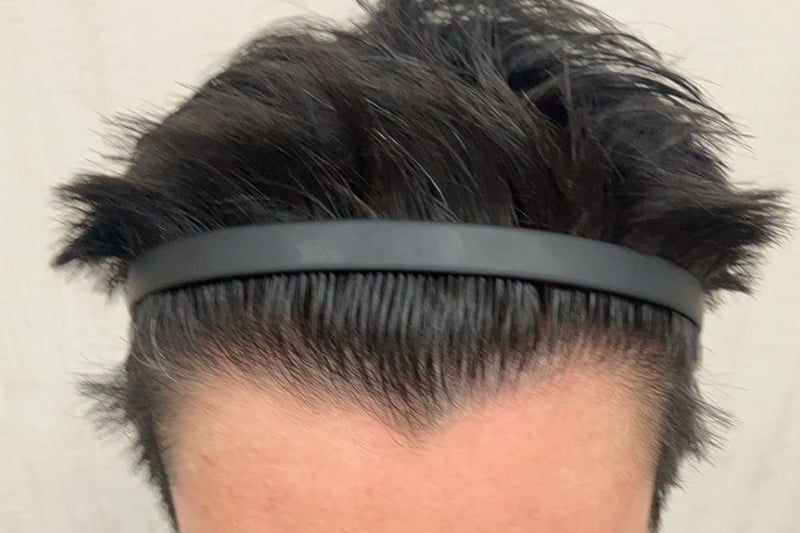
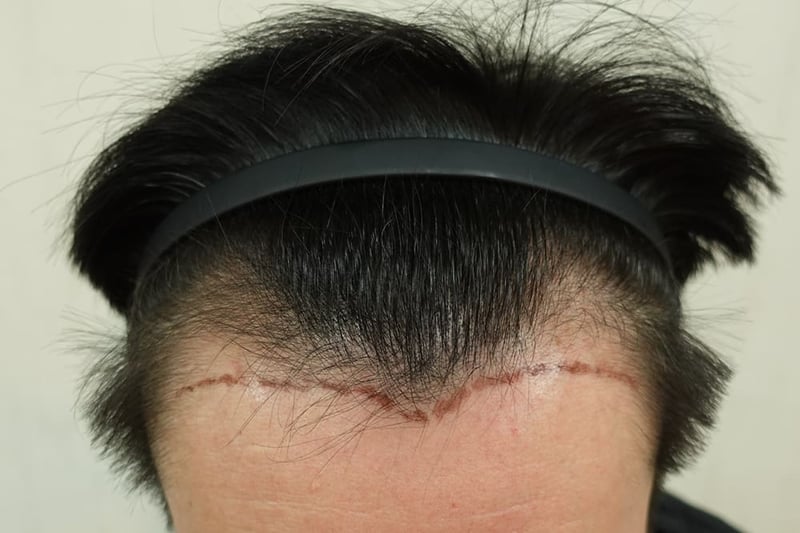
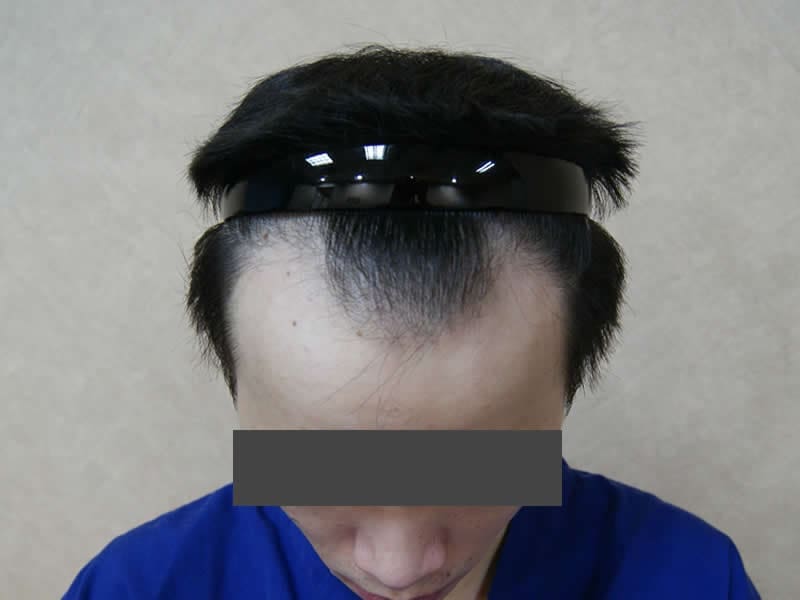
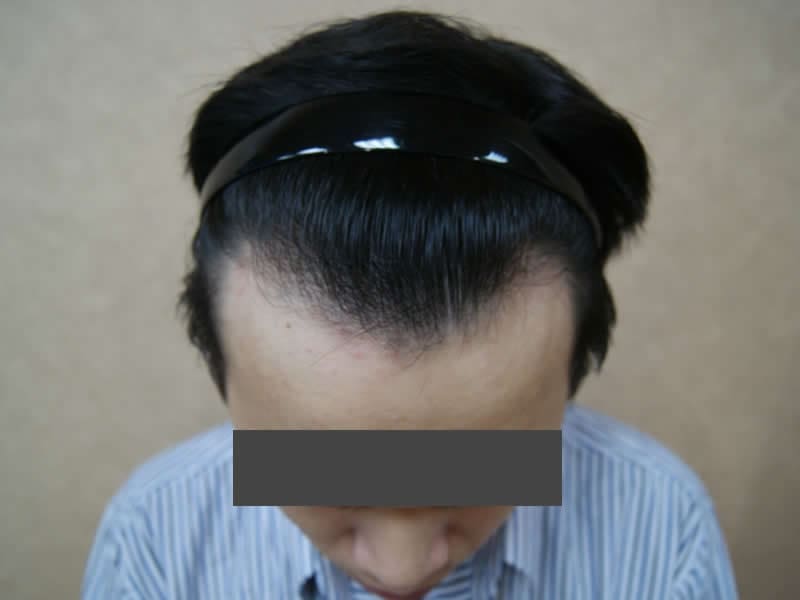
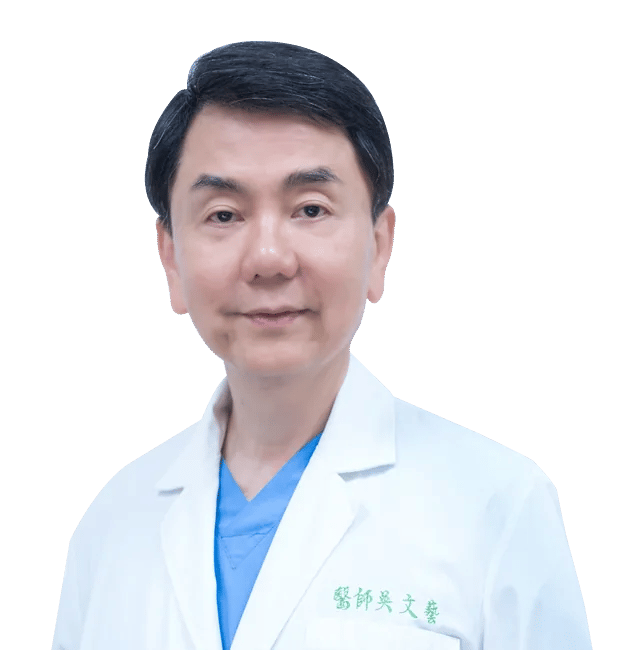
OUR DOCTOR
Dr. Wen-Yi Wu is the founder and medical director of Taiwan Hair Transplant Clinic. He is ABHRS certified, holds FISHRS Fellow status, and has more than 21 years of hair transplant experience.
Credentials and experience are useful when choosing a hair transplant physician, but hair-loss causes, donor conditions and treatment needs differ. A personal medical assessment should also cover suitable procedures, limitations, risks and follow-up care.