

Hair Getting Finer? Softness, Causes and Transplant Evaluation
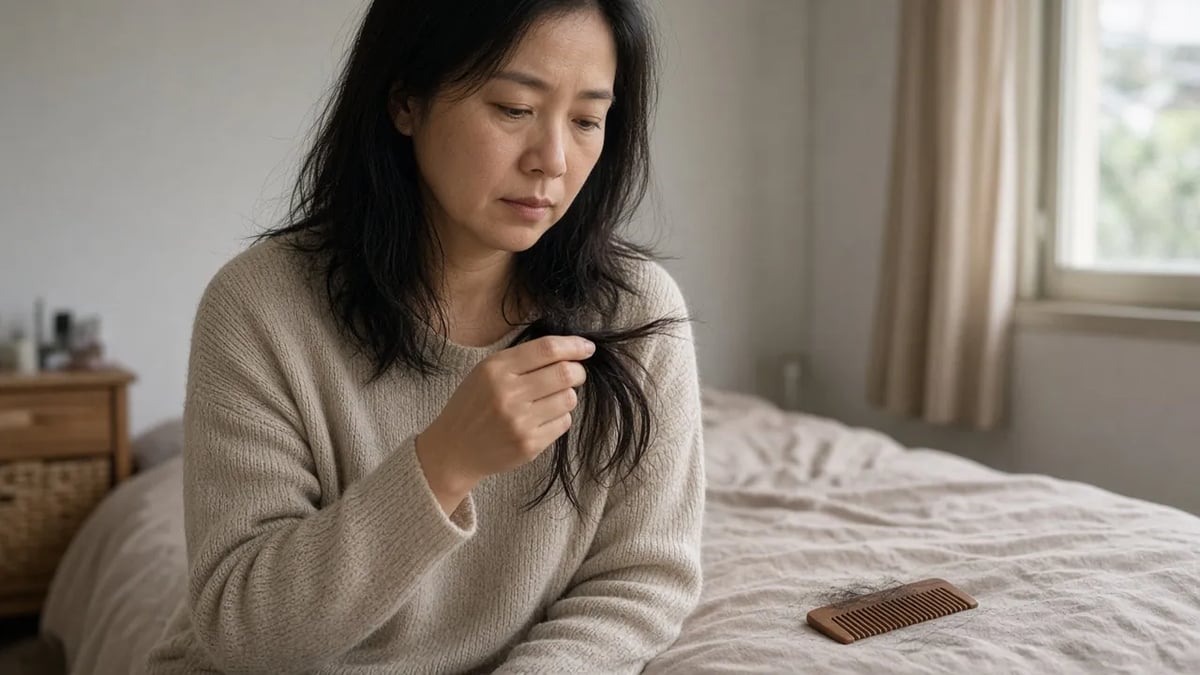
Hair that feels finer and softer often makes people worry that male pattern hair loss is beginning. That is not necessarily so. For some, the follicles are gradually getting smaller, and the hairs that grow out are becoming finer. For others, colouring, perming or high heat has made the hair shaft more fragile and prone to break, so it feels finer even though the number of hairs may not have decreased. Others have a period of heavier shedding, so the overall volume looks reduced, but individual hairs are not necessarily finer. Women often come in with this concern as well; it is not something only men encounter. Sort out the cause first, then decide whether to see a doctor. If a particular area has already been getting steadily thinner, you can then also assess how much a hair transplant might improve.
In brief: Hair that feels finer and softer is not necessarily male pattern hair loss, and it does not mean each hair is definitely finer. Follicles gradually getting smaller is a common path in hereditary hair loss (male pattern hair loss and female pattern hair loss), and it can occur in both men and women. Colouring, perming and heat damage can make hair prone to break, so it looks finer and softer, without the follicles necessarily becoming fewer. After telogen effluvium, people often first notice that the volume seems reduced; that does not mean every hair has become finer. Whether it can be helped depends on the cause; do not expect a guarantee of returning to the original thickness. Medicine can only be an aid; do not buy it on your own or start supplements on your own. If a particular area is steadily thinning and the donor hair at the back of the scalp looks relatively stable, a transplant evaluation can come first. A transplant moves hair to a thinning area; it cannot guarantee that native hairs that have already become finer will become thicker.
Finer, softer hair is not always the same thing
Clients often say the hair feels finer and softer than before, and that a ponytail, or the handful they gather, seems smaller. These sensations can appear together, but they may not come from the same source.
One possibility is that the follicles themselves are gradually getting smaller. Patient information from the American Academy of Dermatology says hereditary hair loss causes follicles to shrink, and they may eventually stop producing hair. The British Association of Dermatologists also writes that affected follicles grow hairs that become progressively finer and shorter, and the colour may also become lighter. In men this often starts at the hairline or the crown; in women it is often a general thinning, or a parting that becomes more noticeable. This is a common path in male pattern hair loss and female pattern hair loss, but it is not the only reason hair can feel finer.
Another is that the hair breaks easily. Dyeing, perming, or frequent high-heat styling can make the shaft dry and brittle. The American Academy of Dermatology notes that if this kind of damage continues, the hair can start to look thinner, and in more severe cases it may even leave a more obvious gap; changing how you style your hair may help reduce further damage. A segment that has already broken will not return to its original thickness on its own.
There is also a period when shedding increases. After telogen effluvium, many people feel that the whole head of hair has become thinner and flatter, but that does not necessarily mean each hair is finer. This is not the same thing as follicles shrinking, and you should not draw a conclusion from the amount shed on a single day.
So do not decide it is male pattern hair loss just because the hair feels finer to the touch. If you also want to understand how male pattern hair loss is usually identified, you can read the Taiwan site article How can you tell if it is male pattern baldness?. If you are more concerned that the parting on the crown is getting wider, you can read the Taiwan site article What should you do if the parting on the crown is getting wider?. If you are worried about shedding a lot when you wash your hair, and how much daily shedding counts as a lot, see How Many Hairs Is Normal to Lose in a Day?.
Why hair gets finer: shrinking follicles, breakage, or more shedding?

Hereditary hair loss occurs in both men and women and is one of the most common causes of hair loss. Men often first notice a receding hairline, or a thinner area on the crown. Women often notice overall thinning, or a ponytail or parting that looks wider; they do not necessarily lose hair as completely as some men do. To understand how this typically progresses in men, see What Is Male Pattern Hair Loss? Causes, Stages and Treatment. If you are a woman and are also worried about hair loss, you can read the Taiwan site article What can women do about hair loss?.
Heredity is not the only possibility. In the months after childbirth, illness, surgery or a period of stress, shedding sometimes increases clearly. The American Academy of Dermatology writes that once the body is gradually settling back, most people feel a sense of fullness returning in about six to nine months, but this is not a deadline that applies to everyone; if the stress continues, the shedding may also last longer.
Nutritional deficiency, for example of iron or protein, can sometimes also make shedding more noticeable, but whether there is a deficiency should be judged by a doctor; do not buy supplements on your own to make hair thicker. Patient information from the American Academy of Dermatology says that for many supplements claimed to thicken hair, the views are currently inconsistent, and in most cases they have not been shown to help hair growth or thickness; whether to use them should be discussed with a doctor first. If you also want to know about diet and hair loss, see What should I eat to improve hair loss? Hair-growth foods, nutrients, and doctor recommendations. If you are concerned it may be iron deficiency, see Iron Deficiency and Hair Loss: Tests and Transplant Evaluation.
Colouring, perming, chemical straightening or high heat more often first damage hair that has already grown out. If the scalp is also red, swollen, painful or breaking out in a rash, or the breakage is severe, see a doctor; do not add another chemical treatment on your own. If you are also worried about shedding or breakage after dyeing or perming, see Do Hair Dye and Perms Cause Hair Loss? Breakage, Scalp Allergy and When to See a Doctor.
These causes can exist together. For example, someone who already has hereditary hair loss and also often colours or perms their hair may feel even less secure when they touch it. Look at them separately; do not let one explanation cover everything.
| What you notice | What it may be closer to | What to do next |
|---|---|---|
| Hair feels progressively finer, and a particular area keeps getting thinner | Follicles gradually getting smaller; this can occur in men and women | See a doctor to confirm whether it is hereditary hair loss; do not start medicine on your own |
| After colouring, perming or frequent heat styling, hair feels dry, breaks easily, and seems finer and softer | The hair shaft is damaged; the number of hairs may not have decreased first | Reduce further damage first; see a doctor if the scalp is uncomfortable or breakage is severe |
| Shedding increases for a period, and the whole head of hair looks reduced | Common after telogen effluvium; individual hairs are not necessarily finer | Look for a possible trigger and follow the course; do not use the amount shed on a single day as a cutoff |
| A particular area is already clearly thinner, and the back of the scalp looks relatively stable | Closer to a situation in which a transplant can be discussed | A transplant evaluation can come first; the timing of surgery is a separate decision |
This table is only to help sort out the direction. It is not a basis for self-diagnosis or for deciding on surgery yourself.
Can hair that has become finer be helped?
It depends on the cause. There is no guarantee that applies to everyone.
If the main problem is breakage from colouring, perming or heat damage, changing how you style your hair may reduce further injury. The American Academy of Dermatology also writes that changing hair-care habits can help prevent this kind of hair damage from continuing. But a segment that has already broken will not become thicker on its own, and if the follicle itself has been injured, that follicle may also stop producing hair.
If it is more like telogen effluvium, it is often temporary, and a sense of fullness may gradually return, but do not treat any particular number of months as a cutoff that means it will certainly recover, or that nothing can be done. If you are shedding much more than you expected, it is dragging on, or you are simply unsure of the cause, you should still see a doctor.
If hereditary hair loss is confirmed, it often continues if it is left untreated. NHS information says that some male and female pattern hair loss becomes a long-term change. The British Association of Dermatologists also writes that female pattern hair loss cannot currently be cured, but progression is usually slow.
A doctor may discuss medicines with you, such as topical or oral minoxidil, or other options that need a prescription. The NHS notes that these treatments do not work for everyone, and usually need to be continued to have a chance of maintaining the effect. In this article, medicine is only background; whether to use it, and how, should be decided by a doctor. Do not buy it, increase the dose, or stop it on your own.
A hair transplant also cannot guarantee that native hairs that have already become finer will become thicker. It moves relatively stable hairs from the occiput or the sides to a thinning area. The NHS description of hair transplantation is also that hair from the back of the head is moved to a thinner area. How much can be improved depends on the pattern, the donor area and your expectations; it is not suitable for everyone.
When should you see a doctor? When should you assess a transplant?

It is hard, by touching your own hair or looking in the mirror, to tell breakage, increased shedding and shrinking follicles apart. If the finer feeling has already lasted for some time, a particular area is getting thinner, the parting is widening, the hairline is receding, or there is also a red, swollen or painful scalp, patchy loss, or an especially heavy short-term shed, see a doctor. Do not measure hair diameter yourself, and do not use a particular number of weeks as a cutoff. The NHS advice is direct: if you are worried about your hair loss, you can already see a doctor.

A transplant evaluation can come first; you do not have to wait until you feel there is already nothing that can be done. What is assessed is the pattern of loss, the donor area at the back of the scalp, the condition of the scalp, and the area you hope to improve. A transplant is more suitable for relatively stable, localised thinning. If shedding is still heavy, the cause is unclear, or the scalp is still red, swollen or painful, the cause is usually sorted out first, and surgery is not rushed. There is no fixed number of months you must wait before an evaluation.
Women can also be assessed if the crown or parting is already clearly thinning. The American Academy of Dermatology writes that some women are suitable for a transplant, but if the thinning is all over the scalp, there may not be enough donor hair. If you also want to know whether women with hair loss can have a transplant, you can read the Taiwan site article Can women with hair loss have a hair transplant?. If you want to organise your thoughts first and then discuss them in clinic, you can read the Taiwan site article Am I Suitable for a Hair Transplant? 8 Self-Checks and Clinic Evaluation Criteria.
Frequently asked questions about hair getting finer
Sources of medical information
- American Academy of Dermatology. Hair loss: Who gets and causes. AAD information
- American Academy of Dermatology. Thinning hair and hair loss: Could it be female pattern hair loss? AAD information
- American Academy of Dermatology. Do you have hair loss or hair shedding? AAD information
- American Academy of Dermatology. 10 hair care habits that can damage your hair. AAD information
- National Health Service. Hair loss. NHS information
- British Association of Dermatologists. Hair loss female pattern (androgenetic alopecia). BAD information
Advice from Dr. Wen-Yi Wu
First tell apart finer hair, breakage and heavier shedding, then talk about surgery
Clients often ask whether finer hair can be helped, whether they should start medicine first, or whether they can go straight to a transplant. I start by asking whether the hair feels finer all over, or whether one area is getting steadily thinner; whether it breaks easily, or shedding has clearly increased recently; and whether they often colour, perm or use high heat. Women also often ask whether their ponytail has become thinner.
Finer hair does not necessarily mean male pattern hair loss, and a transplant cannot make every already-thinned native hair become thicker. An evaluation can come first. If the cause is still unclear, I usually suggest getting a clear picture of the pattern first. If a relatively stable area of thinning is already left behind, we can then discuss what a transplant might improve.
Do not buy medicine on your own, start supplements on your own, or put yourself through a string of unnecessary treatments just to schedule surgery.
About Dr. Wen-Yi Wu

Dr. Wen-Yi Wu|Director, Mong Hair Clinic
Director, Mong Hair Clinic|Specializing primarily in hair transplant surgery
Dr. Wen-Yi Wu primarily performs hair transplant surgery and preoperative planning, evaluating the hairline, recipient area, and donor area. If the reason the hair has become finer has not yet been clarified, or it is still unclear whether the follicles have become smaller, the hair is breaking, or shedding has increased, the relevant specialty should address and stabilise that first, before suitability for a transplant is assessed.
Hair transplantation experience and international qualifications
- 21+ years: Continuously dedicated to evaluation, surgical planning, and follow-up for FUE, FUT, and COMBO procedures.
- ABHRS: Obtained ABHRS Diplomate certification in 2011, completed recertification in 2021, and has taken part in ABHRS oral examinations.
- FISHRS: Holds FISHRS Fellow status with the International Society of Hair Restoration Surgery, with long-standing involvement in professional hair-medicine exchange.
What should I do if my hair is getting finer? +
First sort out whether the follicles are gradually getting smaller, the hair is breaking easily, or shedding has increased for a time. Finer, softer hair is not necessarily male pattern hair loss, and this is also common in women. Do not buy medicine on your own or start supplements on your own. If a particular area has already been getting steadily thinner, a transplant evaluation can come first. A transplant moves hair to a thinning area; it cannot guarantee that native hairs that have already become finer will become thicker.
If hair feels finer and softer, is that male pattern hair loss? +
Not necessarily. Follicles gradually getting smaller is a common path in hereditary hair loss (male pattern hair loss and female pattern hair loss), and it can occur in both men and women. Patient information from the American Academy of Dermatology says this type of hair loss causes follicles to shrink, and they may eventually stop producing hair. But breakage from colouring, perming or heat damage, and a sense of reduced volume after telogen effluvium, can also feel like finer, softer hair, without each hair necessarily being finer. Do not draw a conclusion from how it feels in your hands alone; a doctor should tell these apart.
Can hair that has become finer be helped? +
It depends on the cause. There is no guarantee that applies to everyone. When breakage is the main issue, changing how you style your hair may reduce further damage, but a segment that has already broken will not become thicker on its own. Telogen effluvium is often temporary, and a sense of fullness may gradually return, but do not treat any particular number of months as a cutoff. If hereditary hair loss is left untreated, it often continues. Medicine may help some people, but it does not work for everyone; whether to use it should be decided by a doctor. A transplant also cannot guarantee that native hairs that have already become finer will become thicker.
Can colouring, perming or frequent heat styling also make hair feel finer? +
That is possible. Dyeing, perming or frequent high-heat styling can make the hair shaft dry, brittle and prone to break, so it feels finer and softer, even though the number of hairs may not have decreased first. The American Academy of Dermatology notes that if this kind of damage continues, the hair can start to look thinner, and in more severe cases it may even leave a more obvious gap; changing how you style your hair may help reduce further damage. If the scalp is red, swollen or painful, or the breakage is severe, see a doctor; do not add another chemical treatment on your own.
What should I eat to make finer hair thicker? +
No food or supplement can guarantee that hair will become thicker. Nutritional deficiency, for example of iron or protein, can sometimes make shedding more noticeable, but whether there is a deficiency should be judged by a doctor; do not start supplements on your own. Patient information from the American Academy of Dermatology says that for many supplements claimed to thicken hair, the views are currently inconsistent, and in most cases they have not been shown to help hair growth or thickness. Whether to use them should be discussed with a doctor first.
If my hair is getting finer, can I have a transplant evaluation first? +
Yes, an evaluation can come first. It looks at the pattern of hair loss, the donor area at the back of the scalp, the condition of the scalp, and the area you hope to improve; you do not have to wait until you feel there is already nothing that can be done. A transplant is more suitable for relatively stable, localised thinning. It moves hair to a thinning area and cannot guarantee that native hairs that have already become finer will become thicker. If shedding is still heavy, the cause is unclear, or the scalp is still red, swollen or painful, the cause is usually sorted out first, and surgery is not rushed. There is no fixed number of months you must wait before an evaluation.
Related articles
Written by:Taiwan Hair Clinic Editorial Team
This article has been reviewed and medically approved by Dr. Wen-Yi Wu

Dr. Wen-Yi Wu|Director, Mong Hair Clinic
- ● Fellow of ISHRS (FISHRS)
- ● ABHRS Board-Certified Hair Restoration Surgeon
- ● President of TSHRS (Taiwan Society of Hair Restoration Surgery)