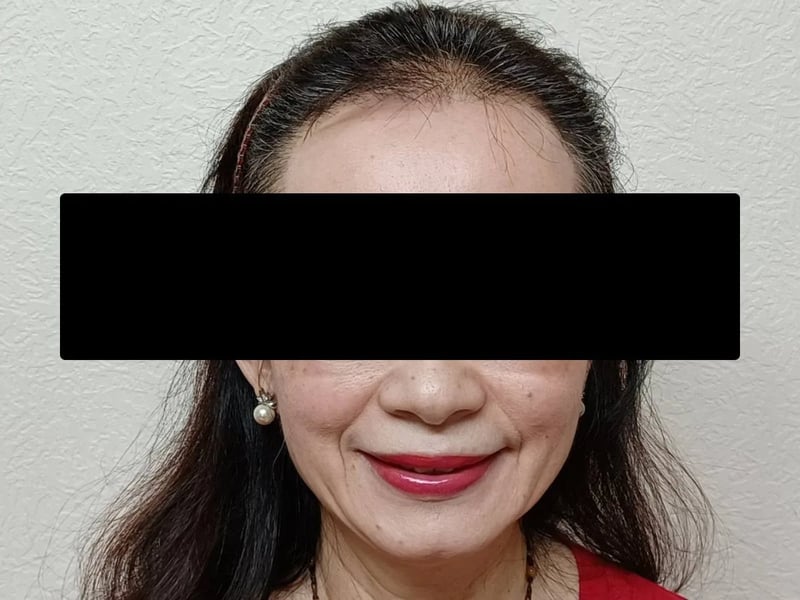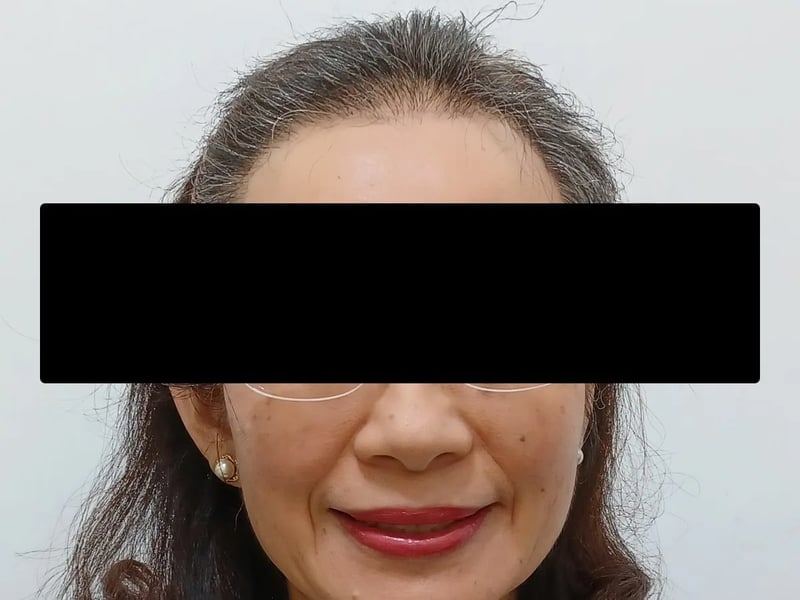

Female Right Temple Hair Transplant Case | Side Hair Flow and Transition Record
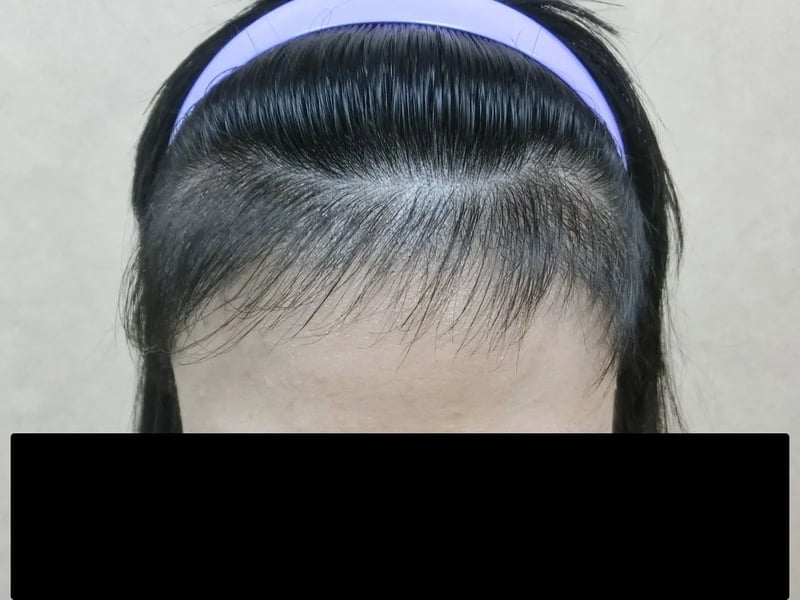
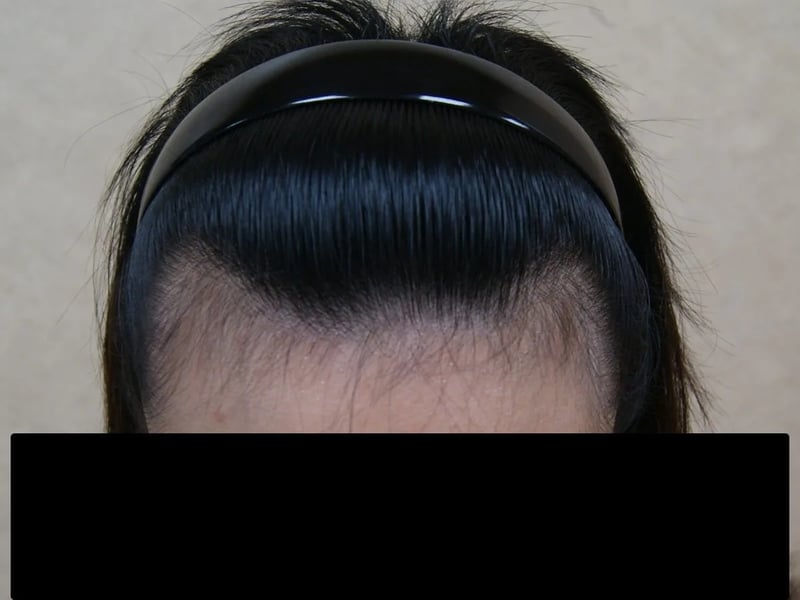
A Taiwanese woman in her 30s, mainly concerned about the line of her right temple and the side of her forehead, came to Dr. Wen-Yi Wu for a hair transplant assessment. She hoped to discuss how to blend the area with her native hair flow and side profile. The slider below is fixed at a right oblique angle, focusing on the curve and direction of the hairline as it turns from the forehead to the side.
This case focuses on "the transition and hair flow of the right temple" rather than repeating the points covered in front or overhead cases. The actual technique, area and graft allocation still need to be assessed by the doctor in person, based on temple depth, native hair direction, hair calibre, donor supply and the risk of future hair loss.
How Are Hair Flow and Contour Observed at the Right Temple?
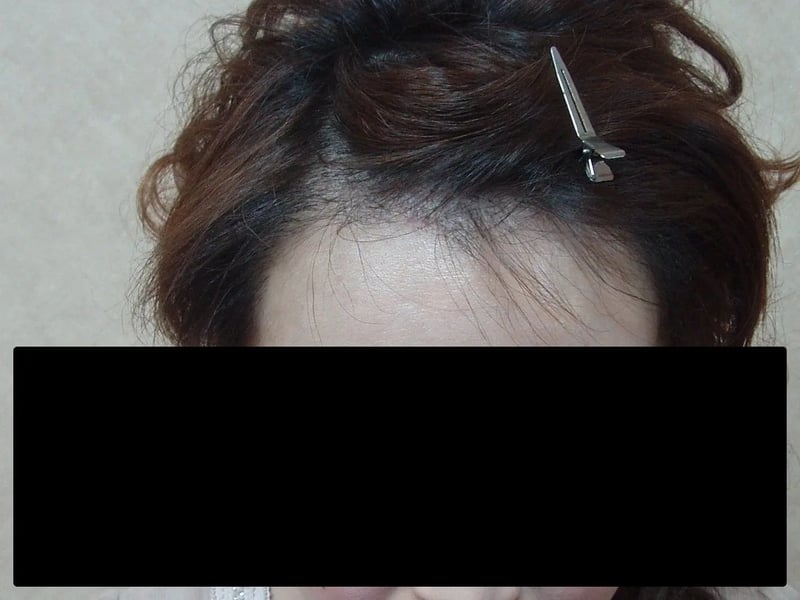
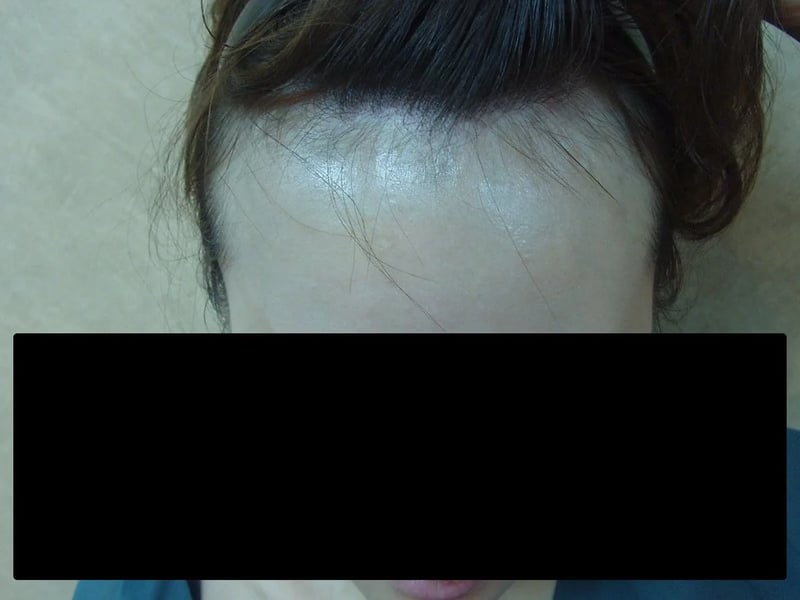
The oblique images add what front photos struggle to show: the curve of the temple, the blend toward the side of the head and the direction of the hairs. The two photos below were taken from the same angle at different times and have been aligned to the same scale and position, so you can compare changes in the right-side outline.
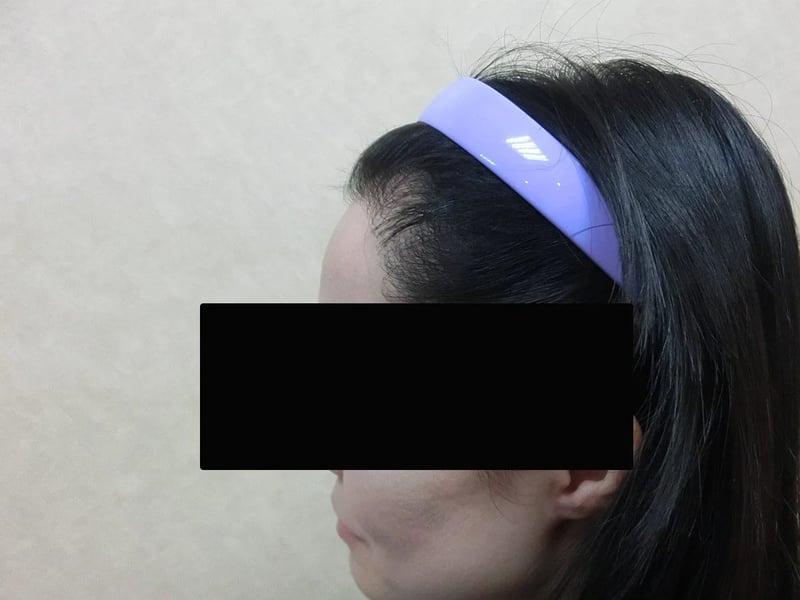
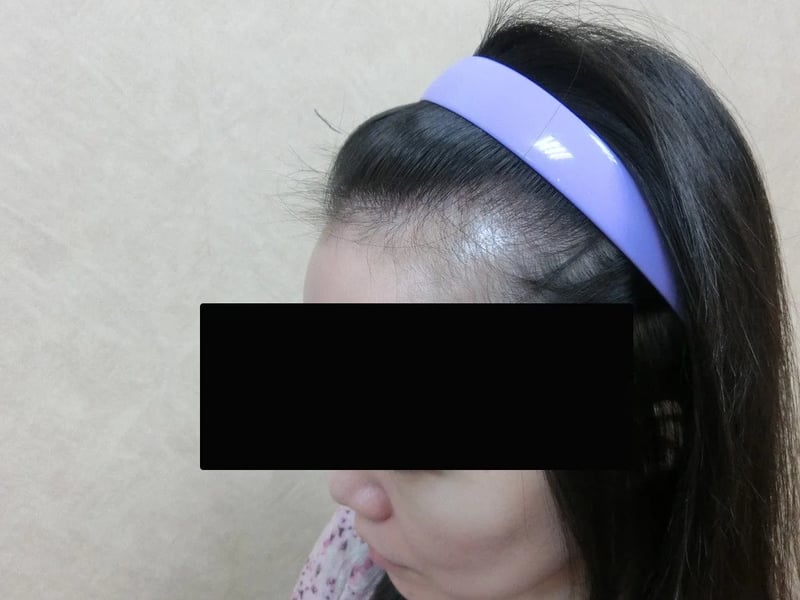
Drag to compare
This is a photo record of a single case and does not mean everyone will achieve the same result. Between the two photo sessions, hair length, hair colour, styling, head angle, camera equipment, distance and lighting were not exactly the same, which affects how the hairline and scalp appear. Actual recovery and hair growth also vary from person to person.
Why Should Right Temple Planning Follow the Native Hair Flow?
A temple is not simply an area to be filled; the turn of the line and the direction of the hairs both need to blend with the native hair on the forehead and side. The assessment also considers temple depth, hair calibre, available donor supply and future changes in hair loss.
Want to assess your right temple outline and how it blends with your hair flow?
Results vary between individuals and depend on native hair density, hair calibre, donor supply and aftercare. Graft counts reflect each patient's own hair loss at the time and are not a fixed recommendation; your plan requires an in-person assessment by the doctor.