

What Hong Kongers Must Know Before Getting Hair Transplants in Taiwan|Demystifying Common Myths About Hair Transplants and the Truth
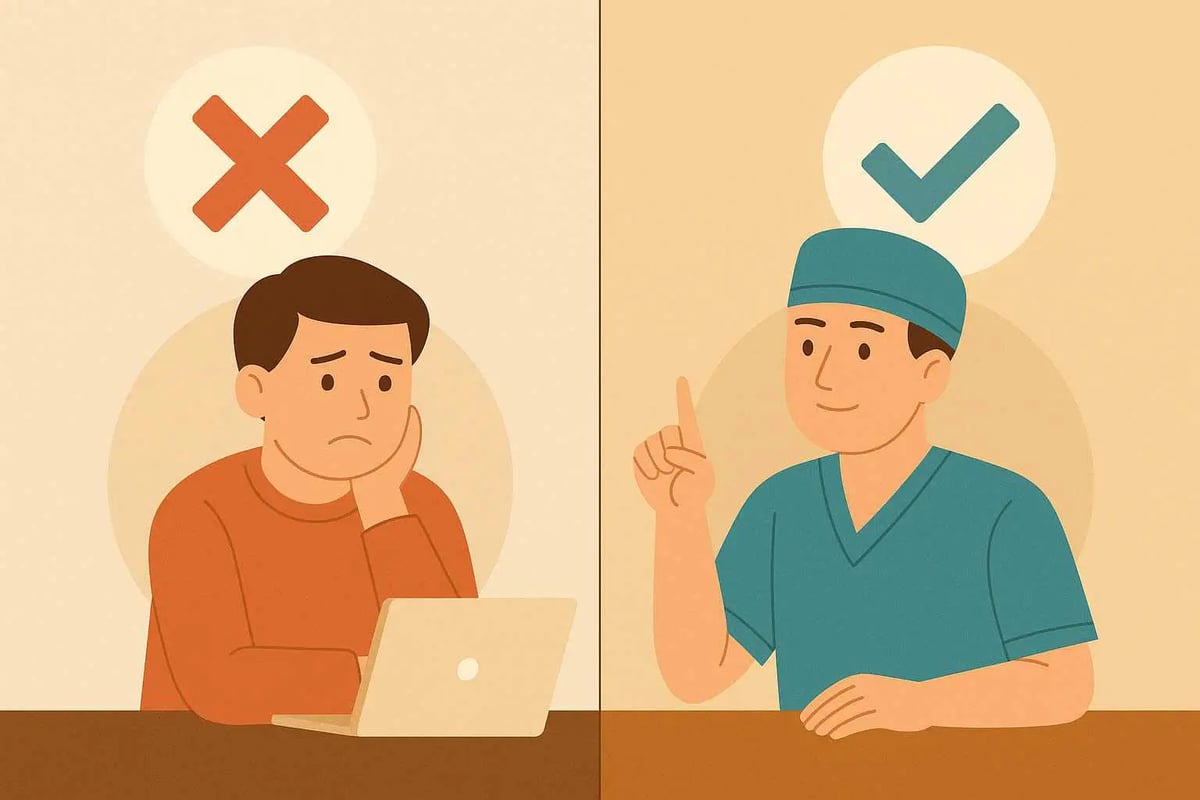
Hair Transplant Myth #1: Is hair transplantation painful?
Many people imagine hair transplantation as a major surgery, so they find it terrifying. In reality, modern hair transplantation is typically performed under local anesthesia, and the patient usually remains conscious during the procedure.
After anesthesia is administered, most people feel only a mild sensation of traction or pressure, rather than obvious pain. What truly matters is whether preoperative assessment is thorough, whether the doctor provides a clear explanation of the procedure, and whether aftercare instructions are followed to care for the scalp and hair follicles.
Hair Transplant Myth 2: The recovery period is very long, will it affect work?
It is indeed necessary to care for the transplanted area after hair transplant surgery, but it does not necessarily mean taking a long leave of absence. Most people can gradually resume daily life within a short period after surgery; however, the first few days still require special attention to cleaning, scabbing, sleeping position, and avoiding bumps.
It is recommended to avoid the following during the initial post-operative period:
| Precautions | Reason |
|---|---|
| Strenuous exercise | Avoid sweating and tugging at the wound |
| Scratching the scalp | Prevent affecting the stability of follicles |
| Prolonged sun exposure | Reduce scalp irritation |
| Improper cleaning | Avoid scabbing or follicular damage |
If the job does not involve heavy sweating, wearing a hard hat, or bumping the scalp, it is usually easier to resume a normal routine. Actual recovery time should still follow the physician’s recommendations.
Hair Transplant Myth 3: Will the Results Look Natural?
Hair transplantation naturalness depends not only on how many follicles are transplanted but also on hairline design, graft insertion angle, hair direction, and density distribution.
If the hairline is designed too low or straight, or the insertion angle is unnatural, it can easily appear stiff or artificial. Professional hair transplant surgeons will design a suitable hairline based on facial proportions, native hair flow, age, degree of hair loss, and future balding risk—rather than blindly pursuing “the lower and denser, the better.”
Hair Transplant Myth Four: Do I have to keep using hair growth products after the procedure?
Transplanted follicles can grow naturally, but the hair in the original untransplanted areas may still continue to be affected by androgenetic alopecia. Therefore, whether oral medication, hair growth products, or other treatments need to be added depends on your individual hair loss condition.
| Situation | Recommendation |
|---|---|
| Hair loss has stabilized | Assess hair transplant planning |
| Original hair continues to thin | May require medication or hair growth treatment |
| Rapid progression of hair loss | Suggest controlling hair loss first before planning surgery |
| Insufficient donor area | Requires evaluation by a doctor to determine suitability for transplant |
Hair transplantation does not mean you don’t need any management after completion; rather, you need to formulate a long-term plan based on your personal hair condition.
How long does it take to see the results of hair transplantation?
Hair transplantation is not about seeing the final results immediately after surgery; it requires time for the follicles to adapt and grow.
| Time | Common Changes |
|---|---|
| Early post-operative stage | Crusting, mild redness |
| 1–3 months | Temporary shedding may occur |
| 3–6 months | New hair starts to gradually grow |
| 6–12 months | Hair volume and density become more noticeable |
| Around 12 months | Results are more stable, allowing for an overall assessment of outcome |
Generally, you can begin to see preliminary improvement around 3–6 months, with results becoming more natural and stable after about 12 months. However, actual growth speed is still affected by individual physical constitution, follicle quality, post-operative care, and the degree of hair loss.
Hair Transplant Success Keys: Surgeon Technique and Aesthetic Judgment
Hair transplantation is a precise medical technology. From hair extraction, dissection, punching, to implantation, every step affects survival rates and naturalness.
| Key Item | Impact |
|---|---|
| Hairline Design | Affects facial proportions and naturalness |
| Follicle Selection | Affects density and growth results |
| Punch Depth | Affects follicular stability and survival rate |
| Implantation Angle | Affects hair flow direction |
| Density Config | Affects overall density sensation |
Therefore, when choosing a hair transplant, you should not only compare prices or the number of follicular units, but should also prioritize the surgeon’s experience, certifications, the naturalness of their cases, and whether the preoperative evaluation is comprehensive.
Before Hong Kong Residents Undergo Hair Transplants in Taiwan, Complete Assessment is Recommended
If Hong Kong patients are considering hair transplantation in Taiwan, it is recommended to first conduct an online preliminary consultation, providing photos of the front, side, crown, and donor area. This allows the doctor to evaluate the degree of hair loss, donor area conditions, and the appropriate hair transplant method.
If hair loss is still progressing rapidly, the doctor may recommend controlling the hair loss first; only when the donor area conditions are sufficient and the hairline design is feasible will the scope of the surgery and the number of follicular units be planned further.
Q1:Are people from Hong Kong suitable for getting hair transplants in Taiwan? +
Yes. Taiwan's hair transplant medical technology is mature, and it is geographically convenient for Hong Kong patients. It is suitable for those who wish to undergo a comprehensive evaluation, surgery, and post-operative follow-up.
Q2:Will hair transplantation be painful? +
Hair transplantation is generally performed under local anesthesia. After anesthesia, the majority of people mainly feel a sensation of pulling or compression; pain is usually controllable.
Q3:How long after hair transplant can I return to work? +
It depends on the type of work. If the job does not require vigorous activity, heavy sweating, or impact on the scalp, most people can gradually resume normal daily life within a short period. However, actual resumption still requires arrangement in accordance with the doctor's advice.
Q4:How long will the results of hair transplant look natural? +
New hair growth typically becomes visible after 3 to 6 months, and hair density gradually becomes noticeable between 6 to 12 months. The results tend to stabilize after about 12 months.
Q5:Do I need to take medication after a hair transplant? +
Not necessarily. Transplanted follicles can grow naturally, but if the native hair still shows progression of androgenetic alopecia (male pattern baldness), the doctor may suggest using medication or other treatments to maintain overall stable hair volume.
Q6:Is it better to transplant as many hairs as possible? +
No. Hair transplantation requires consideration of preserving the donor area, future risk of hair loss, as well as the proportion and density distribution of the hairline. Excessively pursuing the number of follicles may, conversely, affect the long-term results.
Related articles
This article has been reviewed and medically approved by Dr. Wen-Yi Wu

Dr. Wen-Yi Wu|Director, Mong Hair Clinic
- ● Fellow of ISHRS (FISHRS)
- ● ABHRS Board-Certified Hair Restoration Surgeon
- ● President of TSHRS (Taiwan Society of Hair Restoration Surgery)