

Hair-Loss Medication
How hair-loss and transplant medications like finasteride and minoxidil work, their side effects and safety — always by a doctor's prescription.

Does Finasteride have side effects? Rates and the nocebo effect
Many people search Finasteride and only see scary side-effect lists. Here’s how I talk in clinic about how common they a…

What if you skip oral meds after a hair transplant?
Patients often ask me what happens if they skip oral medication after a transplant. Grafts usually keep growing, but and…

How Long Should You Take Oral Hair-Loss Medicine?
Oral hair-loss medicines usually need ongoing use to hold their effect. If hair becomes less important later in life, st…

What Is Topical Finasteride? Oral, Topical, or Hair Transplant
A hair transplant doctor explains topical versus oral finasteride, systemic exposure, preserving native hair, and when a…
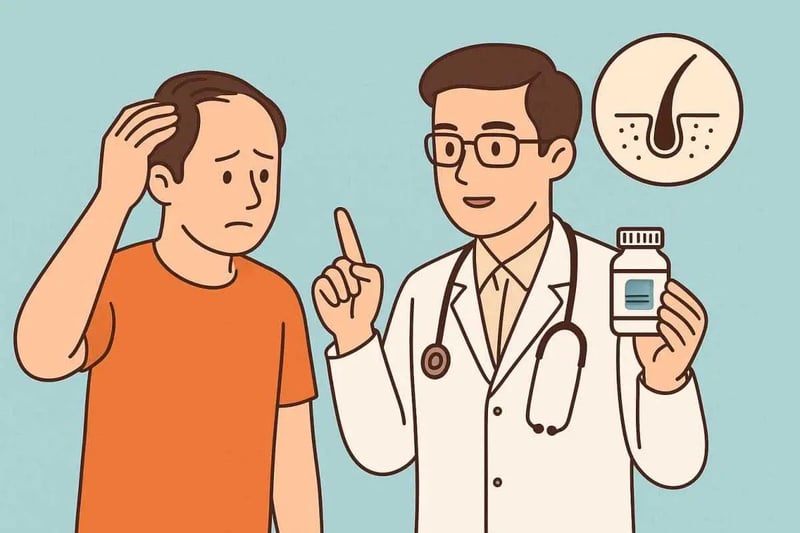
Do You Need Finasteride After a Hair Transplant? Native Hair, Stopping, and Side Effects
Transplanted follicles are relatively DHT-resistant, but native hair can keep thinning. Learn when finasteride may help …

Does Finasteride Increase Prostate Cancer Risk? Studies and PSA Changes
Does finasteride increase prostate cancer risk? Review the PCPT, long-term mortality data, PSA suppression, the approxim…

Is Oral Minoxidil Safe for Hair Loss? Side Effects and Monitoring
Oral minoxidil for hair loss is an off-label treatment, not a medicine to dose yourself. Learn who may be considered, co…

Should You Worry About Sexual Dysfunction With Finasteride? What MDL 2331 Really Means
What did the Propecia MDL 2331 litigation and settlement prove? Review finasteride sexual side effects, persistent sympt…
Hair-Loss Treatment | Oral Minoxidil and Trying to Conceive: Do Would-Be Fathers Need to Stop?
Men on oral minoxidil while trying to conceive — do you need to stop? Current research suggests it does not affect male …
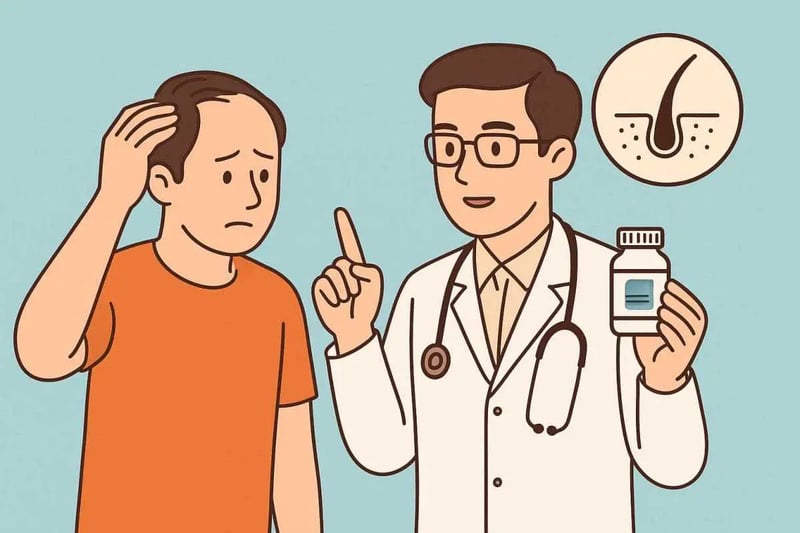
Do I need to take medication after hair transplant? Timing of medication, side effects, and the important points for stopping
Not everyone needs to take medication after hair transplant; the key is whether the native hair continues to thin. This …
Can those over 46 years old take Propecia?
Propecia finasteride labeling commonly states 18–46 years old; can it still be used after age 46? This article summarize…
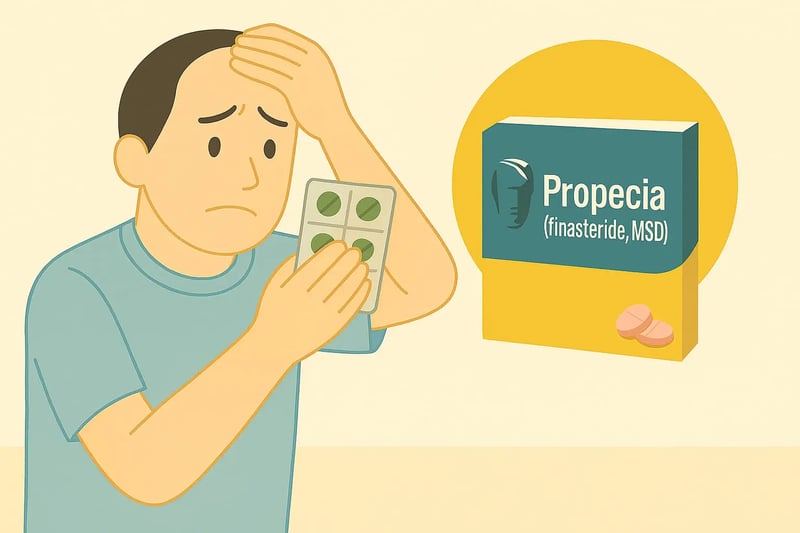
Is finasteride safe for treating male pattern baldness?
Finasteride (Propecia) is a common oral medication for male pattern baldness that helps stabilize hair condition, reduce…