

How to Care for Hair After a Hair Transplant: Washing, Sleep, Exercise & Swelling Guide
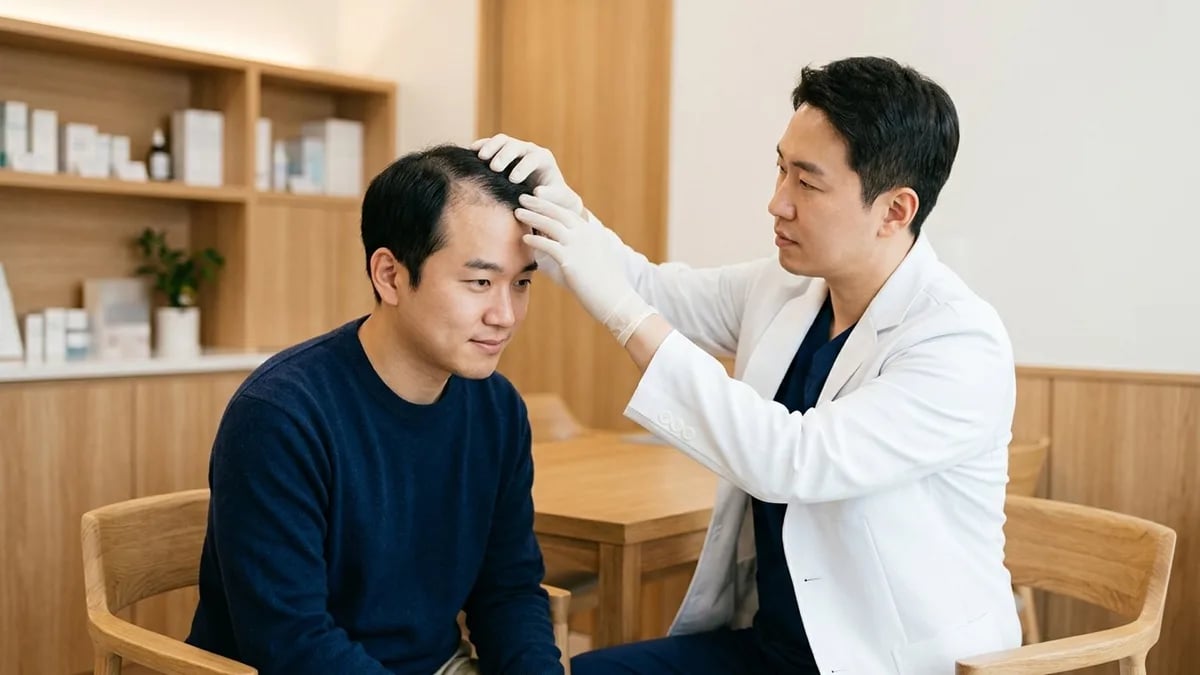
Walking out of the clinic after hair restoration surgery, patients often experience a mixture of excitement and anxiety: How fragile are the newly implanted grafts? Will washing my hair wash them away? What happens if I roll over in my sleep? When can I wear a hat or return to the gym? These are among the most frequent questions asked in clinical practice. Completing surgery is only the beginning of hair restoration; meticulous aftercare during the first two weeks directly determines whether transplanted follicles establish robust microcirculation and achieve optimal survival.
Key Takeaways: The first 72 hours after hair transplant surgery represent the critical anchoring window. Newly placed grafts have not yet formed vascular connections and must be protected from friction, scratching, and accidental trauma. Sleeping with your upper body elevated 45 degrees prevents graft displacement and reduces facial edema. Cleanse gently using mild foam and fingertip pressure—never high-pressure shower streams. Strictly avoid heavy exercise, smoking, and alcohol for two weeks, and seek prompt medical attention if severe pain, fever, or pus develops.
The Critical 14-Day Recovery Timeline: Graft Changes & Care Priorities
Post-transplant tissue repair follows a consistent physiological sequence. Grafts transition from initial fibrin adhesion and interstitial fluid nourishment to vascular remodeling and dermal anchoring over 10 to 14 days.

Understanding what to expect at each stage provides clear guidance and alleviates unnecessary postoperative anxiety:
| Recovery Stage | Graft & Scalp Condition | Core Daily Care Focus | Key Precautions |
|---|---|---|---|
| Days 1–3 (Anchoring Phase) | Grafts held only by fibrin; minor serosanguinous fluid seepage; mild brow tightness | Sleep elevated 45° on back; wear oversized loose hats outside; take oral anti-inflammatories | Absolutely no rubbing, touching, or scratching; avoid bending over or lifting heavy items |
| Days 4–7 (Crusting Phase) | Punctate micro-incisions dry and seal; tiny scabs form around hairs; mild itching begins | Begin gentle fingertip foam washing; apply prescribed ointment to donor area | Do not pick scabs; avoid direct shower pressure on recipient zone; no hot baths or saunas |
| Days 8–14 (Desquamation Phase) | Capillary vascular network established; grafts tightly anchored; crusts soften naturally | Warm water compresses (10–15 min) to soften scabs; gentle circular fingertip motions to shed crusts | Never dry-peel adherent crusts; avoid contact sports and tight helmets |
| 2 Weeks to 3 Months (Telogen Phase) | Follicles enter physiological telogen phase; transplanted hair shafts shed (60–80%), roots remain dormant | Resume normal washing pressure and daily routines; restart maintenance medical therapy as advised | Do not panic over shedding; avoid harsh chemical dyes, perms, and intense sun exposure |
Three Daily Routine Pillars: Sleeping Posture, Exercise & Headwear
1. Elevated Sleeping at 45 Degrees: Protecting Grafts and Minimizing Edema
Sleeping position during the first 3 to 4 nights is essential. Use 2 to 3 firm pillows or a contoured wedge pillow to keep your upper body and head elevated at approximately 45 degrees while sleeping strictly on your back. Supine elevation eliminates accidental pillow friction against the hairline or crown. This posture also harnesses gravity to drain fluid downward toward the body, providing effective forehead swelling care.
2. Exercise and Perspiration Management: Avoiding Strenuous Workouts
For the first 7 days, strictly avoid activities causing heavy sweating, elevated heart rate, or cephalic venous pressure spikes (such as heavy lifting, sprints, HIIT, or hot yoga). Rapid blood pressure surges can induce capillary bleeding, while sweat accumulation increases infection risks. Light walking is safe from week 2. Once scabs have fully cleared at 14 days, moderate jogging and gym training may resume. Swimming and sauna sessions should wait until 1 month post-op.
3. Headwear and Helmet Selection: From Loose Caps to Protective Gear
If going outdoors during days 1 to 3, wear a loose surgical cap or an oversized bucket hat with a high crown that does not contact the recipient hairline. Motorcycle and sports helmets fit tightly and exert severe shearing forces during removal; wait at least 10 to 14 days until grafts are securely anchored before wearing them, optionally placing sterile gauze inside as a friction buffer.
Gentle Scalp Cleansing: How to Wash Safely and Soften Crusts
Some patients avoid washing their hair for over a week out of fear of dislodging grafts. This is counterproductive. Accumulated sebum and dried serum promote Malassezia overgrowth and folliculitis, compromising graft survival. Proper washing maintains clear follicular pores and fosters an optimal healing environment.

Remember the golden rule: “Fingertip pressure, gentle water cup pouring, cool blow-dry.” During days 1 to 7, lather mild shampoo into rich foam in your hands, gently dabbing it onto recipient and donor areas without scratching. Rinse by pouring lukewarm water from a cup or letting water trickle over a cloth. Pat dry gently with clean paper towels or lint-free cloths, then dry with cool air.
Around day 10, soften stubborn crusts by resting a warm, damp towel over recipient areas for 10 to 15 minutes before shampooing. Massage in gentle circular motions with soapy fingertips to encourage natural scab release. Never pick or scratch dry crusts forcefully.
Normal Healing Sensations vs. Warning Signs Requiring Doctor Review
Throughout recovery, the scalp experiences normal microvascular and neural regeneration. Sensations such as mild numbness, intermittent itching, or donor area tightness are temporary and subside over weeks to months.
However, poor hygiene or accidental trauma can lead to secondary infection or hematoma. Use the checklist below to assess your symptoms:
| Checkpoint | Normal Physiological Course | Abnormal Warning Sign | Clinical Action Required |
|---|---|---|---|
| Scalp Sensation & Pain | Mild superficial numbness, dull tightness, or itching; pain diminishes daily | Severe throbbing or burning pain unresponsive to oral analgesics; escalating intensity | Normal discomfort resolves with rest; acute pain requires prompt clinic review |
| Wound & Discharge State | Minor pink-tinged serum on dressings during days 1–2; dry crusting follows | Active bright-red bleeding; thick yellowish-green discharge with foul odor | Minor oozing stops with 15 min gauze pressure; purulent pus requires antibiotics |
| Facial & Brow Appearance | Symmetrical, mild swelling across forehead or eyelids; clears within 3–5 days | Severe asymmetrical swelling, dark purple skin discoloration, spreading hot erythema | Symmetrical edema clears with elevation; hot spreading redness suggests infection |
| Crusting & Shedding | Hair shafts shedding with tiny dried flakes after 2–4 weeks; bulb remains intact | Entire follicle units with white tissue sheaths dislodged alongside active bleeding | Telogen shedding is normal; early graft dislodgement warrants photo contact |
| Systemic Well-being | Normal body temperature; healthy appetite and energy levels | Oral/ear temperature over 38°C (100.4°F); rigors, chills, swollen lymph nodes | Fever indicates systemic infection; do not mask with antipyretics—seek medical care |
Medications, Microcirculation & Clinical Follow-up Care
Graft survival depends heavily on healthy local microvascular perfusion. During the first few days, take all prescribed prophylactic oral antibiotics and non-steroidal anti-inflammatory drugs (NSAIDs) exactly as directed. Detailed medication schedules can be reviewed in our guide to postoperative medications.
Nicotine is a major threat to newly implanted follicles. Both cigarettes and electronic vapes cause peripheral vasoconstriction, drastically reducing tissue oxygen saturation. Avoid smoking for at least 2 to 4 weeks postoperatively. Similarly, avoid alcohol, which dilates capillaries, promotes bleeding, and interferes with drug metabolism.
A successful outcome requires comprehensive preparation from the hair transplant procedure and recovery stage through to long-term monitoring. For expectations regarding shedding and subsequent regrowth, consult the hair transplant growth timeline.
Dr. Wu Ming-Lun: Diligent Aftercare Completes the Restoration Journey
Half of a successful hair transplant is accomplished through meticulous microscopic extraction and artistic recipient design; the other half relies on patient care during the first 14 days. Proper elevation, gentle washing, and avoiding friction grant delicate grafts the best foundation for lifelong growth. If you encounter any questions or unexpected symptoms during your recovery, our medical team is always ready to assist.
Medical References
How long after hair transplant surgery are grafts completely secure? +
Transplanted follicular units are most vulnerable during the first 72 hours, relying purely on tissue fluid diffusion for nourishment. Microvascular ingrowth occurs between days 7 and 10. By day 14, grafts are firmly anchored within the dermis, meaning gentle washing, normal touching, or wearing loose hats will no longer dislodge them.
Do I have to sleep with my head elevated after hair transplant surgery? +
Yes, it is strongly recommended to sleep with your head and upper torso elevated at approximately 45 degrees for the first 3 to 4 nights using extra pillows or a wedge pillow. This prevents friction against recipient sites during sleep and promotes gravity-assisted fluid drainage to minimize facial swelling.
Can I scratch scabs if my scalp feels intensely itchy? +
Never scratch or pick at scabs. Itchiness is a normal sign of nerve regeneration and tissue healing. To relieve itching safely, apply gentle pressure with clean fingertips around the itchy area (never scratching recipient sites directly), or use prescribed anti-itch lotion or antihistamines.
When can I wear a full-face motorcycle helmet after hair transplant? +
Wait at least 10 to 14 days before wearing tight-fitting or full-face helmets. Pulling a snug helmet on and off creates intense shearing friction across the scalp that can pull out fragile grafts. For sun or dust protection in the first two weeks, wear very loose bucket hats that do not touch recipient sites.
When can I resume gym workouts, weight lifting, and swimming? +
Avoid strenuous exercise for the first 7 days to prevent blood pressure spikes and bleeding. Light walking is fine from week 2. Moderate jogging and light resistance training can resume after 14 days once scabs have fully cleared. Heavy weightlifting (heavy squats/deadlifts) and swimming in chlorinated pools should wait until 1 month post-op.
When can I resume hair loss medications (Finasteride / Minoxidil) after surgery? +
Oral medications like Finasteride or Dutasteride can usually be continued or resumed the day after surgery to protect native non-transplanted hair. Topical Minoxidil contains alcohol and may irritate open wounds, so wait 2 to 3 weeks until all epidermal scabbing has fully healed before restarting, subject to your doctor's evaluation.
Related articles
This article has been reviewed and medically approved by Dr. Wen-Yi Wu

Dr. Wen-Yi Wu|Director, Mong Hair Clinic
- ● Fellow of ISHRS (FISHRS)
- ● ABHRS Board-Certified Hair Restoration Surgeon
- ● President of TSHRS (Taiwan Society of Hair Restoration Surgery)