

Can You Have a Hair Transplant with High Blood Pressure? Control, Preparation and Assessment
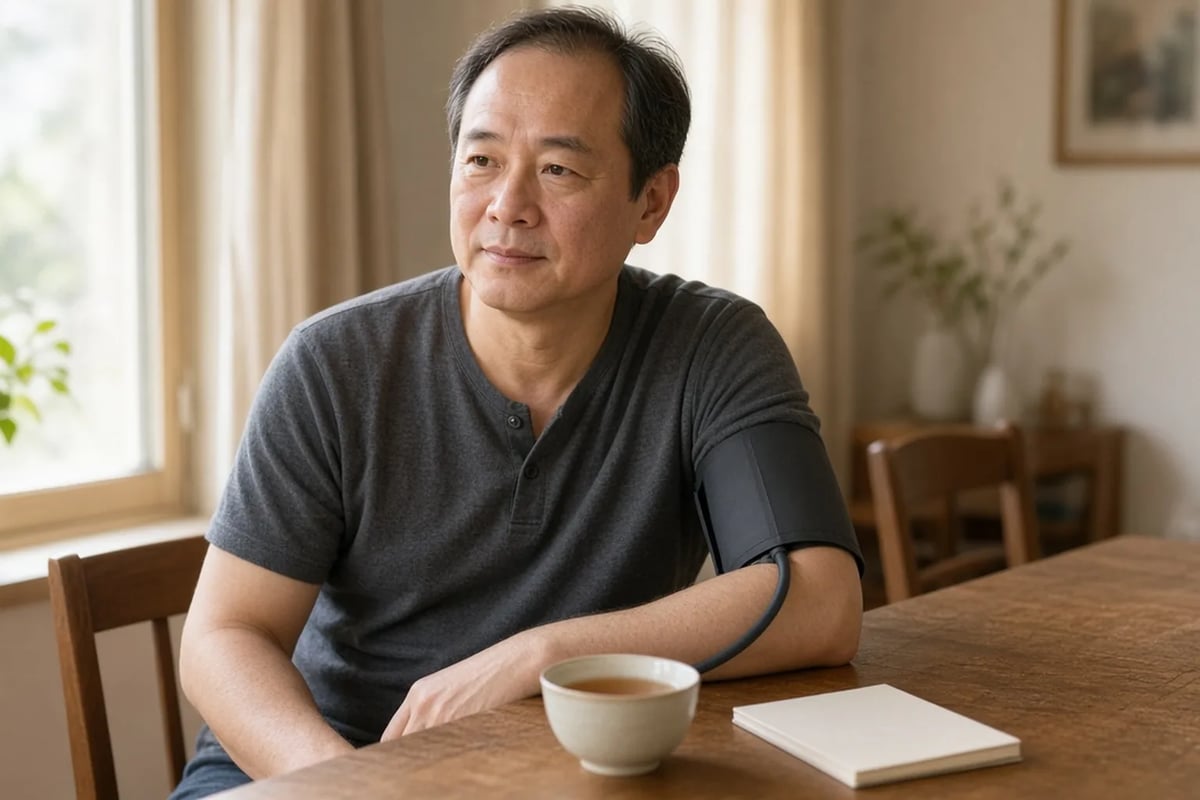
“I have high blood pressure. Can I still have a hair transplant?” I hear this question often. In most cases, high blood pressure on its own does not rule out surgery. What matters is whether it has been stable over time, how you manage it, and whether there are related heart, kidney or blood vessel problems. Here is how I look at high blood pressure during a hair transplant assessment, what to prepare, and what to watch for before and after surgery.
Key points: Whether a person with high blood pressure is suitable for a hair transplant depends on how well it is controlled, not on the diagnosis itself. Before surgery I review your home readings, medicines and other chronic conditions. Blood pressure medicine is usually continued as normal; do not stop it on your own. If your reading is clearly high on the day, we rest and measure again, and reschedule if needed. A calm routine after surgery also helps reduce bleeding and swelling.
Can you have a hair transplant with high blood pressure?
A hair transplant is done under local anaesthetic. Most people with high blood pressure that is well controlled with regular medicine can be assessed for surgery. More caution is needed if blood pressure has been poorly controlled, medicines were recently changed, or there are complications such as heart disease, stroke or kidney disease.
So I do not just ask whether you have high blood pressure. I look at your usual readings and what your physician advises, then we decide together on the right timing and the size of the procedure.
Why does high blood pressure matter for hair transplant surgery?
Taking and placing grafts creates many tiny bleeding points in the scalp. When blood pressure is high, bleeding is harder to control, the surgical field is less clear, and oozing or swelling is more likely after surgery.
Nerves, discomfort or sitting in one position for a long time can also push blood pressure up during the procedure. That is why good control beforehand and staying relaxed on the day both matter.
If you are also worried about bleeding during surgery, you may want to read Does a Hair Transplant Cause Heavy Bleeding? Risks, Medicines and Aftercare.
What do I check before surgery?
When someone with high blood pressure comes for an assessment, I usually go through the following:

| What I check | Why it matters |
|---|---|
| Your usual blood pressure readings | Shows whether control is stable over time, not just one reading |
| Current medicines | Including blood pressure medicine, blood thinners and supplements |
| Heart, kidney and blood vessel health | Any irregular heartbeat, heart disease, stroke or kidney problems |
| Other chronic conditions | Diabetes or high cholesterol also affect healing and planning |
| Blood tests and other checks | To confirm clotting and overall health |
If your blood pressure has been fluctuating recently, I will suggest going back to your physician first and planning surgery once it has been stable for a while.
If you are also worried about which blood tests are needed before surgery, you may want to read Do You Need a Blood Test Before a Hair Transplant? Surgical Risk Levels Explained.
Should you stop blood pressure medicine before surgery?
In most cases, blood pressure medicine should be taken as usual before and after surgery. Do not stop it because of the operation; doing so can make your blood pressure higher on the day.

Blood thinners and some supplements that affect bleeding need to be discussed separately. Whether and how long to adjust them must be decided by the doctor who prescribed them, not by yourself.
- Give me a list of all your medicines and supplements with their doses.
- Take your blood pressure medicine at the usual time, including the morning of surgery, unless told otherwise.
- Check with the prescribing doctor before adjusting anything.
What if your blood pressure is high on the day?
Many people feel nervous at the clinic, so readings are often a little higher than at home. Before surgery we let you rest and measure again, and talk through whether it is suitable to go ahead that day.
If your blood pressure is still clearly high after resting, I will suggest rescheduling for safety. During the procedure we monitor blood pressure and adjust the pace as needed.
- Sleep well the night before and avoid alcohol.
- Take your usual blood pressure medicine and have a light breakfast.
- Allow plenty of time to arrive without rushing.
What should you watch for during recovery?
The first few days after surgery are when wounds heal and swelling settles. Stable blood pressure helps reduce oozing and swelling, so your routine matters during this time.

- Keep taking your medicine regularly, and keep recording home readings if you usually do.
- Avoid strenuous exercise, heavy lifting and bending over for long periods in the first few days.
- Sleep with your head slightly raised to help swelling settle.
- Avoid alcohol, late nights and salty food.
- Contact the clinic promptly if you have ongoing bleeding, worsening headache, chest tightness or dizziness.
If you are also worried about how to look after yourself after surgery, you may want to read How to Care for Hair After a Hair Transplant: Washing, Sleep, Exercise & Swelling Guide.
When should a hair transplant be postponed?
In these situations I usually suggest sorting out your health first and coming back for assessment later:
- Blood pressure has been poorly controlled, or medicine was just started or changed.
- Recent chest pain, irregular heartbeat, stroke or a mini-stroke.
- Significant kidney problems or another chronic condition that is not yet stable.
- You take blood thinners and the prescribing doctor advises against adjusting them for now.
Postponing does not mean you can never have a transplant. It lowers the risk first. Once things are stable, we plan based on your donor supply and the area of hair loss.
If you are also worried about having diabetes as well, you may want to read Can Diabetics Get a Hair Transplant? Blood Sugar Control, Healing & Evaluation.
A note from the doctor
Many people with high blood pressure worry that a hair transplant is not possible for them. In fact, most can be assessed with confidence once their blood pressure is well controlled.
Before surgery I go through your readings and medicines carefully and, when needed, discuss them with your physician to find the right time for surgery.
Looking after your blood pressure is not only about a smooth operation; it is about your long-term health too.
This article is general medical information and does not replace an individual diagnosis.
Medical references
- NHS (UK): High blood pressure (hypertension)
- National Institute for Health and Care Excellence (NICE): Hypertension in adults: diagnosis and management (NG136)
- European Heart Journal:2022 ESC Guidelines on cardiovascular assessment and management of patients undergoing non-cardiac surgery
- International Society of Hair Restoration Surgery (ISHRS): Hair Transplant Surgery
- American Academy of Dermatology (AAD): Hair loss: Who can benefit from a hair transplant?
Can you have a hair transplant with high blood pressure? +
In most cases you can be assessed. What matters is stable long-term control and whether there are related heart, kidney or blood vessel problems.
Should I stop my blood pressure medicine before surgery? +
Usually not. Blood pressure medicine should be taken as normal. Whether to adjust blood thinners is up to the prescribing doctor.
What happens if my blood pressure is too high on the day? +
We rest and measure again. If it is still clearly high, surgery may be rescheduled for safety.
Is bleeding more likely with high blood pressure? +
Bleeding is harder to control when blood pressure is high, and oozing or swelling may be more likely afterwards, so good control beforehand is important.
Does the local anaesthetic affect blood pressure? +
Local anaesthetic may contain an ingredient that narrows blood vessels. The doctor adjusts the amount and injection method for you and monitors blood pressure during surgery.
When can I exercise again after surgery? +
Avoid strenuous exercise and heavy lifting for the first few days, then build up gradually depending on how the wounds heal, as confirmed at follow-up.
Related articles
This article has been reviewed and medically approved by Dr. Wen-Yi Wu

Dr. Wen-Yi Wu|Director, Mong Hair Clinic
- ● Fellow of ISHRS (FISHRS)
- ● ABHRS Board-Certified Hair Restoration Surgeon
- ● President of TSHRS (Taiwan Society of Hair Restoration Surgery)