

Scalp Numbness After a Hair Transplant: Recovery and Warning Signs
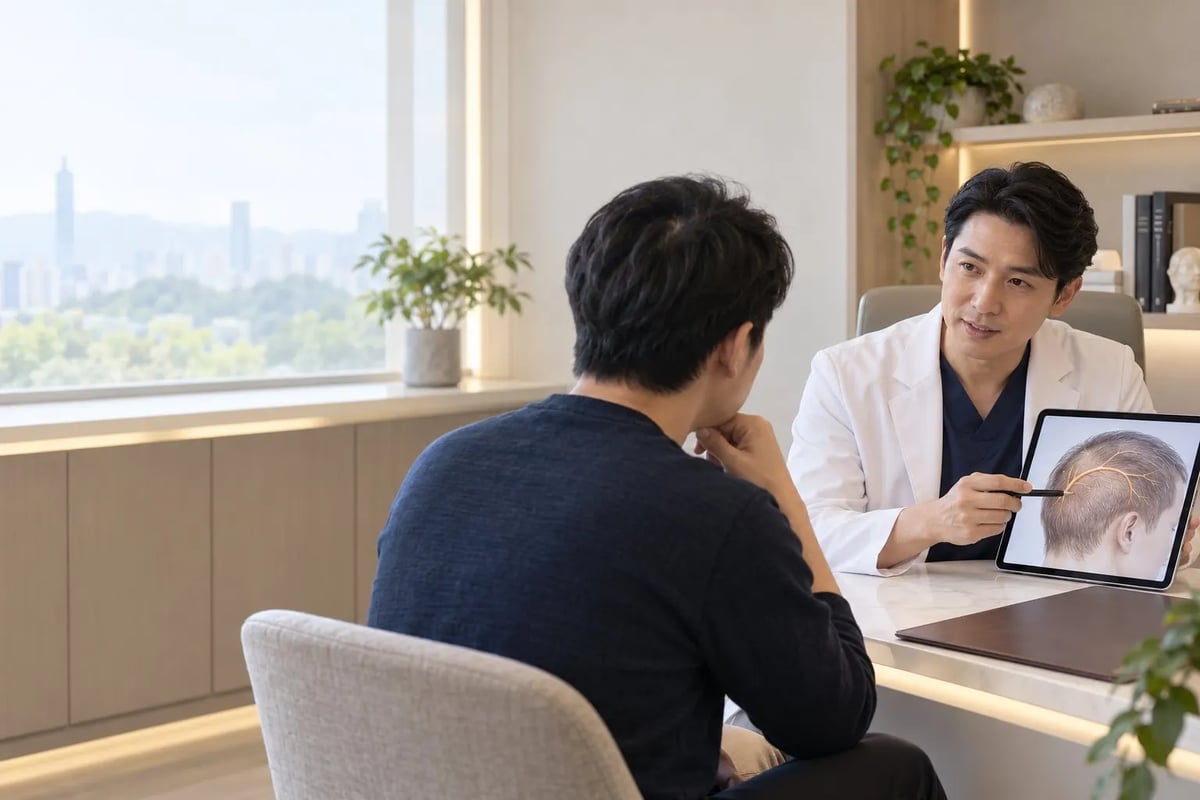
A patch of scalp may feel dull, tingly, or unusually sensitive after a hair transplant. This does not, by itself, mean that the grafts have failed. Sensory changes can occur in both the recipient and donor areas. A symptom that is getting worse, however—particularly with redness or discharge—deserves medical review.
In brief: Record where the altered feeling is, when it began, and whether it is improving. Temporary changes may follow local anaesthesia and irritation of small sensory nerves during surgery. Recovery varies; increasing pain, spreading symptoms, warmth, swelling, or discharge should not be dismissed as routine healing.
Why can the scalp feel numb after surgery?
Local anaesthesia temporarily changes sensation on the day of surgery. Once it wears off, work on the scalp’s superficial tissues during graft extraction and placement may still leave a patch feeling dull, tingly, or sensitive to touch. The published review of hair-transplant complications discusses reduced sensation and other sensory disturbances following surgery. Neither the location nor the word “numb” alone identifies a cause; your surgeon needs to assess the pattern and wound.

Numbness, tingling, or pain: what matters?
| What you notice | What to do |
|---|---|
| A small, stable patch with reduced feeling | Note its size and discuss it at the planned review |
| Brief tingling or touch sensitivity | Avoid repeatedly irritating it; tell the surgical team |
| Pain or burning that grows stronger, or a spreading area | Contact your surgeon before the routine appointment |
| Redness, heat, discharge, or fever | Seek prompt assessment for infection or another complication |
Mild symptoms that are gradually shrinking may be followed according to your surgeon’s instructions. Severe or progressively worsening pain is different from simple numbness and needs an examination.
How long can recovery take?
The brief effect of local anaesthesia and the slower recovery of irritated tissue are different processes. There is no single recovery date: improvement may take weeks or months, depending on the extent of surgery and individual factors. The International Society of Hair Restoration Surgery patient brochure describes donor or recipient numbness that generally improves over months. A review of FUE complications notes that sensory symptoms are commonly mild but can persist in some people. Population findings are not a personal guarantee.
Tracking the area and intensity once a week is more useful than repeatedly testing it. Arrange an earlier review if improvement stops, a previously improving symptom worsens, or new pain appears.
Do FUE and FUT feel the same afterward?
Not necessarily. FUE hair transplantation extracts follicular units from separate small sites, while FUT removes and closes a donor strip. The wound patterns differ, so another person’s recovery cannot predict yours. The donor area, graft needs, scar considerations, and previous procedures also belong in a discussion with your surgeon.
When should you call before your scheduled review?
Contact the operating surgeon promptly if numbness is accompanied by increasing pain, spreading redness or warmth, marked swelling, pus or unusual discharge, persistent bleeding, fever, or rapidly expanding sensory change. The FUE complications review describes worsening pain, redness, and purulent discharge among signs that require attention. Even without these signs, arrange a review if symptoms disrupt sleep or work.

For routine wound care, see our hair-transplant aftercare questions; an article cannot replace an examination.
Should I massage or heat the numb area?
Avoid vigorous massage, scratching, and direct heat. Reduced sensation makes it harder to notice friction or excessive temperature, while newly placed grafts require careful early care. Follow your own surgeon’s instructions for washing and touching the scalp.
Plan for recovery before surgery
Before treatment, ask where hair will be harvested and implanted, what sensory changes are possible, how to contact the team, and when follow-up is planned. Mention previous scalp surgery or pre-existing nerve pain. At Taiwan Hair, a doctor directly handles medical consultation and surgical planning. If you are considering a hair transplant, discuss the donor area, procedure, recovery, and risks together—not just the chance of temporary numbness.
This is general medical information, not an individual diagnosis. Contact your surgeon or seek medical care if symptoms worsen or infection is suspected.
Is numbness at the hairline or crown normal after transplantation? +
Temporary reduced sensation can occur in a recipient area. Record its location and progression; contact your surgeon if pain, redness, or the area of numbness increases.
Does tingling in the donor area mean a nerve was damaged? +
Not necessarily. Healing tissue and small sensory nerves can produce tingling, but the feeling alone cannot establish a nerve injury. Persistent or worsening symptoms need examination.
How long does scalp numbness last? +
There is no universal deadline. Sensation may improve over weeks or months, depending on the procedure and the individual. Arrange review if it does not improve.
Does numbness mean transplanted grafts are failing? +
No. Sensation alone cannot establish graft survival or the final transplant result. Ask your surgeon to assess any concern about healing.
Can I massage or apply heat to a numb scalp? +
Avoid vigorous massage and direct heat on an area with reduced sensation. Follow your own surgical team's instructions for washing and touching the scalp.
When should I contact my surgeon early? +
Seek advice promptly for worsening pain, spreading redness or swelling, warmth, discharge, fever, an expanding sensory change, or symptoms affecting daily life.
Related articles
This article has been reviewed and medically approved by Dr. Wen-Yi Wu

Dr. Wen-Yi Wu|Director, Mong Hair Clinic
- ● Fellow of ISHRS (FISHRS)
- ● ABHRS Board-Certified Hair Restoration Surgeon
- ● President of TSHRS (Taiwan Society of Hair Restoration Surgery)