

FUT Hair Transplant Days 7–14: Washing, Scabs and Suture Removal
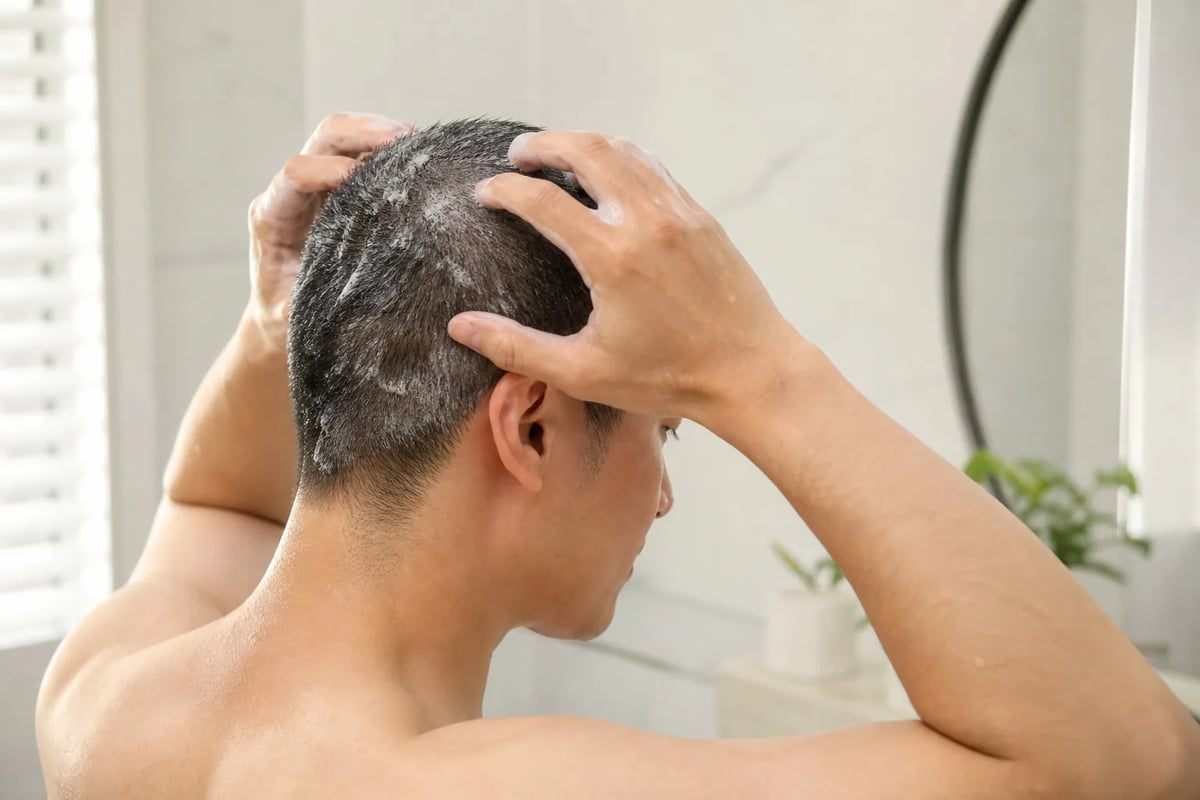
By days 7–14 after a hair transplant, swelling and conspicuous red dots often begin to settle, while small scabs may remain in the recipient area. Daily life may be easier than in the first week, but washing, touching, helmet use and exercise still need to follow the procedure, wound condition and your clinic’s instructions.
With FUT (follicular unit transplantation), care is also needed for the linear donor wound and sutures at the back of the scalp. If your individual postoperative instructions differ from this guide, follow your surgeon’s plan.
Key point: gentle washing may be reintroduced as instructed, but do not pick scabs with your nails. Shedding of transplanted hair shafts does not necessarily mean the follicles have been lost. Never remove FUT sutures yourself. Persistent bleeding, pus-like discharge, fever or worsening pain and redness need medical review.
What normally changes between days 7 and 14?
Small recipient-site crusts, mild residual redness and the beginning of transplanted hair shedding can all occur. Skin tone, treatment area, washing routine and healing vary, so a photograph taken on one particular day cannot determine whether the operation has succeeded.
The ISHRS patient brochure says small crusts generally flake off within 5–14 days. NHS guidance also lists temporary scabbing as an expected effect. There is no need to force removal solely for appearance if there are no signs of infection or wound deterioration.
An FUT donor incision can still feel tight, numb or mildly itchy. Do not scratch the wound or pull the sutures, and attend the scheduled wound check and suture removal.
| What you notice | What it may mean | Contact the clinic if |
|---|---|---|
| Small scabs or mild redness | Common healing; clean gently as instructed | Redness, warmth, swelling or pain worsens, or there is pus or fever |
| Transplanted short hairs shed | Hair shafts may be entering a shedding phase | There is fresh bleeding, clear trauma or wound separation |
| Donor area tightness or numbness | Can occur while an FUT incision heals | Pain increases, bleeding continues or the wound looks abnormal |
| Itching | Can accompany healing; avoid scratching | There is a severe rash, swelling or suspected drug allergy |
Can I wash normally after day seven?
As the grafts become more stable, washing and daily routines can usually resume according to the clinic’s schedule. NHS information notes that gentle hand washing may be possible from day six, while advising particular care with transplanted hair during the first two weeks. Follow your surgical team’s timing and technique.
Lather a mild shampoo with lukewarm water, then clean using gentle fingertip contact. Do not pick with fingernails, rub back and forth with a towel or hold the recipient area under a forceful jet. Pat lightly or allow the scalp to air dry.
If the area is still bleeding, has discharge or your surgeon provided a different technique, do not increase pressure on your own. Send a photograph to the clinic or arrange review.

Can I remove the scabs with my fingertips?
Once your surgeon has confirmed that regular washing can resume, some crusts will loosen naturally. The clinic may advise extremely gentle fingertip contact to help them come away. The aim is not to clear everything in one session; do not pull a crust that remains firmly attached.
Waiting for scabs to shed naturally does not usually mean the follicles will be harmed. Thick persistent crusting with an odour, pus, increasing redness, heat or pain needs clinical assessment. Do not apply alcohol, acids, exfoliants or an unknown ointment.
Topical minoxidil, styling products and hair fibres should be restarted according to scalp healing and the surgeon’s advice. For longer-term treatment, see medication after a hair transplant.
Does shedding mean the follicles have fallen out?
The short transplanted hairs commonly shed over the following weeks. Seeing a hair shaft come away does not mean the follicle under the skin has necessarily been dislodged; it will still pass through a resting and later growth phase.
The American Society of Plastic Surgeons also explains that transplanted hair can shed in the weeks after surgery and that this is generally temporary. A single episode of shedding or a small dark speck cannot determine the result.
Fresh bleeding after scratching or impact, continuing ooze or visible injury to the recipient area should be photographed and reported to the surgical clinic.
When can helmets, styling products and exercise resume?
Whether helmets, styling products and normal activities can gradually resume in the second week depends on where the grafts were placed, the helmet fit and wound healing. If a helmet presses or rubs the recipient area, ask the clinic about fit before wearing it.
Styling products, colouring, perming, topical medicines and hair fibres can irritate skin that has not fully recovered. Delay them if crusting, redness or the donor incision remains, or show the ingredient list to your doctor.
Strenuous exercise increases scalp blood flow, sweating and the chance of impact. The American Society of Plastic Surgeons notes that some patients are advised to avoid vigorous and contact sport for at least three weeks. Your surgeon should set the individual timetable.
| Activity or product | Second-week principle | Main caution |
|---|---|---|
| Washing | Resume gradually as instructed | Fingertips only; avoid nails and forceful water |
| Helmet or hat | Confirm that it will not press or rub | Avoid a tight, dirty or prolonged occlusive fit |
| Styling products or fibres | Wait until the scalp is stable | Delay if redness, crusting or stinging continues |
| Strenuous or contact sport | Do not decide from the day number alone | Sweat, increased blood flow and impact may affect the wound |
| Topical medicine | Follow both prescribing and surgical advice | Do not restart early or apply to an unhealed wound |
When are FUT sutures removed?
FUT removes a strip of hair-bearing scalp and closes the donor incision, so both areas require attention. NHS information says non-dissolvable stitches can usually be removed after 10–14 days; the American Society of Plastic Surgeons gives a general range of about 7–10 days. The actual time depends on the closure, wound tension and surgeon’s plan.
Never cut or remove sutures yourself or ask a non-clinician to do it. At review, the doctor can check wound closure, infection and scar tension before allowing additional activities.
If you are preparing for surgery, use our hair transplant consultation checklist. People taking anticoagulant or antiplatelet medicines, or with a bleeding disorder or chronic illness, should also read about hair transplant bleeding risk.
Case record: appearance at one and two weeks after FUT
This case involved 1,900 FUT grafts. Peter agreed to have his hair cut short and photographed so that changes in wound colour could be documented. These records are from one person and do not predict how every patient will look on the same postoperative day.


Which warning signs should not wait?
Mild tightness, scabbing or itching can occur. Symptoms should nevertheless trend towards improvement. Increasing pain, redness, warmth or swelling requires assessment.
Persistent or heavy bleeding, pus-like or foul-smelling discharge, fever, wound separation, rapidly increasing swelling, or a clear injury after impact should not be managed only with online advice. Contact the surgical clinic; seek prompt local medical care if symptoms are severe or the clinic cannot be reached.

This article provides general health education and does not replace individual diagnosis, postoperative instructions or follow-up with your surgeon.
References
Can I wash my hair normally seven days after a hair transplant? +
Many patients can gradually resume gentle hand washing according to their surgeon's instructions. During the first two weeks, avoid scratching with fingernails, rubbing with a towel or directing a forceful water jet at the grafts.
Do all the scabs need to be removed? +
No. Scabs often loosen between days 5 and 14. Follow the clinic's washing instructions and use only very gentle fingertip contact; do not pick firmly attached crusts with your nails.
Are the short hairs that shed after surgery the follicles? +
Shedding of transplanted hair shafts over the following weeks is common and does not necessarily mean the follicles have come out. Fresh bleeding after trauma or scratching should be photographed and reported to the clinic.
When are FUT sutures removed? +
Non-dissolvable sutures are commonly removed by a clinician about 7–14 days after surgery, depending on the closure and wound healing. Never cut or remove them yourself.
Can I wear a helmet in the second week? +
Only if your surgical team confirms that it will not press or rub against the recipient area. A tight, unclean or prolonged occlusive fit should not be forced.
Can I exercise in the second week? +
Light activity and strenuous or contact sport are not equivalent. Increased scalp blood flow, sweating and impact can affect healing, so the surgeon should set the timetable for your wound.
Related articles
This article has been reviewed and medically approved by Dr. Wen-Yi Wu

Dr. Wen-Yi Wu|Director, Mong Hair Clinic
- ● Fellow of ISHRS (FISHRS)
- ● ABHRS Board-Certified Hair Restoration Surgeon
- ● President of TSHRS (Taiwan Society of Hair Restoration Surgery)