

Should You Quit Smoking Before a Hair Transplant? Timing, Surgery Day and Assessment
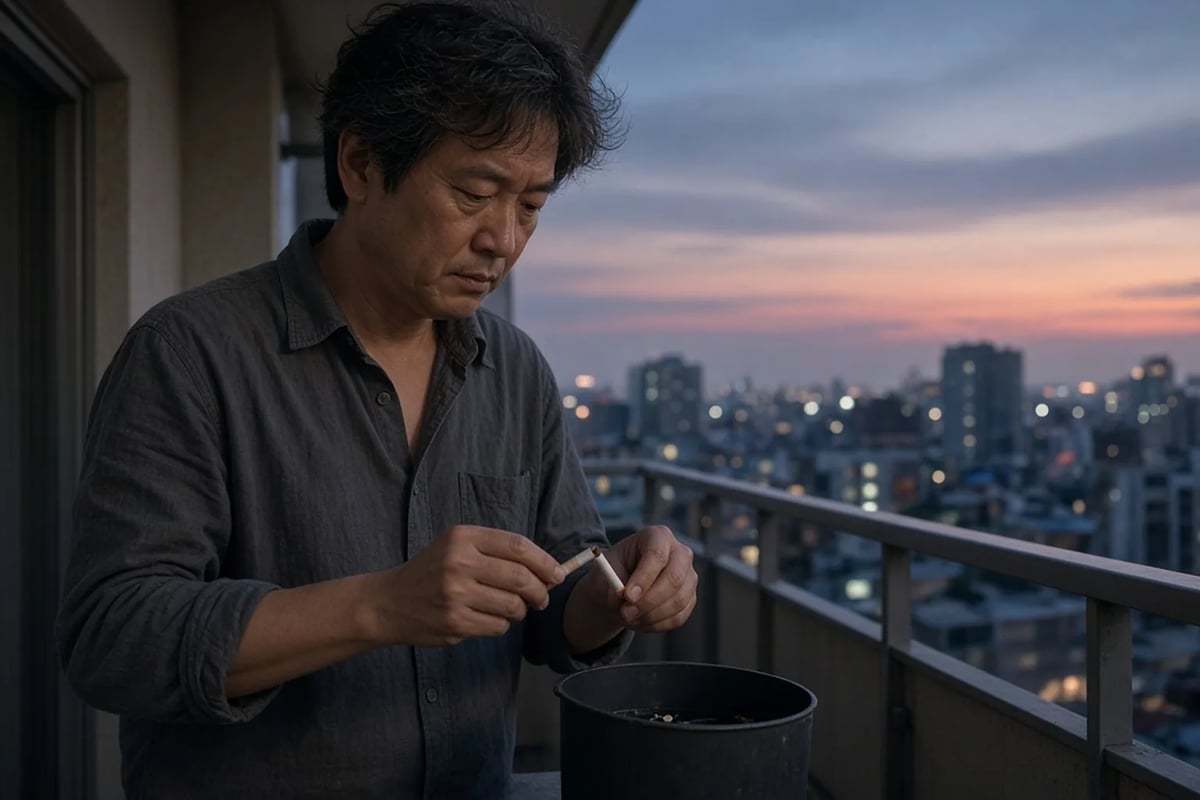
Before a hair transplant I advise stopping smoking as far as possible, at least for a period before and after surgery. Smoking narrows blood vessels and slows wound healing, and may raise the chance of infection and longer scabbing. Smoking does not rule out a transplant, but the most important thing is to be honest with your doctor so we can plan together.
Key points: Smoking and nicotine may reduce scalp blood flow and slow healing. Stopping before and after surgery is ideal; if you cannot quit completely, cut down and avoid smoking around the surgery. E-cigarettes, heated tobacco and nicotine patches also need to be mentioned. Heavier smokers should agree surgery-day arrangements with the doctor in advance rather than deciding on their own.
Why can smoking affect a hair transplant?
In the first days after placement, transplanted follicles rely on surrounding tissue to re-establish blood supply. Nicotine narrows blood vessels and carbon monoxide lowers the blood’s oxygen-carrying capacity, which is not good for new grafts or donor wounds.

- Healing may be slower, with scabs lasting longer.
- The chance of infection or redness may increase.
- Recovery from scalp tightness or numbness may be slower.
Not every smoker has these problems, but the risk is higher, so I want to reduce this variable around surgery.
If you are also worried about what affects graft survival, you may want to read What Is the Hair Transplant Survival Rate? What Helps Grafts Survive and Why Results Can Fall Short.
How long should you stop before and after surgery?
The earlier and longer, the better. I usually suggest cutting down and stopping a few weeks before surgery and not smoking at least while the wounds heal. The exact timing depends on how much you smoke, your health and the size of the procedure.
| Time | Advice |
|---|---|
| A few weeks before | Start cutting down; stop completely if you can |
| One or two days before | Avoid smoking and alcohol |
| Surgery day | Follow the plan agreed with your doctor; do not go out to smoke on your own |
| While wounds heal | Avoid smoking so donor and recipient areas heal well |
| Afterwards | Using this chance to quit helps your scalp and overall health |
If you really cannot stop completely, tell me how much you actually smoke before surgery and we will discuss a workable plan to cut down.
What if you are a heavy smoker on surgery day?
A transplant takes several hours, and heavy smokers may become restless, which can affect the procedure. In that case we discuss the day beforehand, including a reduction plan, breaks and alternatives, rather than leaving you to struggle or slip out for a cigarette.

The key is to talk about it in advance. Whether and when anything is allowed on the day follows the doctor’s plan, not your own decision.
Do e-cigarettes and heated tobacco count too?
Yes. Most contain nicotine and can also narrow blood vessels. If you use nicotine patches or gum, tell your doctor before surgery so we can see whether adjustments are needed.
What else should you tell your doctor before surgery?
- How much you drink; avoiding alcohol for a period before and after surgery is advised.
- Medicines and supplements you take, especially those that may affect clotting.
- Chronic conditions such as high blood pressure or diabetes and how well they are controlled.
- Any problems with previous surgery or anaesthesia.

If you are also worried about which blood tests are done before surgery, you may want to read Do You Need a Blood Test Before a Hair Transplant? Surgical Risk Levels Explained.
Can smokers still be assessed for a transplant?
Yes. Smoking is a risk to manage, not an absolute bar. I still assess the cause of hair loss, the donor area, recipient design and expectations, then build smoking and chronic conditions into the surgical plan.
For techniques and the overall process, see the hair transplant page.
If you are also worried about how to care for wounds after surgery, you may want to read How to Care for Hair After a Hair Transplant: Washing, Sleep, Exercise & Swelling Guide.
A note from the doctor
In clinic some people are embarrassed to say they smoke, or report a little less than they really do. What I most want to hear is the truth.
Knowing your real situation lets me plan when to start cutting down, how breaks work on the day and what to watch for after surgery.
If you are willing to use this chance to stop, it helps wound healing and new hair growth. If that is hard, we will find a reduction plan you can manage.
Your hair transplant assessment goes ahead as usual. Smoking is one factor to manage, not a reason to give up.
This article is general medical information and does not replace an individual diagnosis.
Medical references
- International Society of Hair Restoration Surgery (ISHRS): Smoking, drinking, medications and herbal products can all affect the course of your hair restoration surgery
- World Health Organization (WHO): Smoking greatly increases risk of complications after surgery
- NHS (UK): Preparing for surgery
- PubMed:Complications in follicular unit excision hair transplantation
Can I have a hair transplant if I smoke? +
Yes in most cases. Smoking adds healing risk, but if you are honest about it and follow a stopping or reduction plan, a transplant can usually still be assessed.
How long before surgery should I stop? +
The earlier the better; generally start cutting down and stop a few weeks before. Discuss the exact timing with your doctor based on how much you smoke and your health.
Can I have one cigarette on surgery day? +
Follow the plan agreed in advance with your doctor; do not decide or go out to smoke on your own. Heavy smokers should raise this before surgery.
Do I need to stop e-cigarettes or heated tobacco too? +
Yes. Most contain nicotine and can also narrow blood vessels.
When can I smoke again after surgery? +
At least after the wounds have healed, and confirm at follow-up. Using this chance to quit is even better for your scalp and health.
Will smoking stop transplanted hair from growing? +
Not necessarily, but it may raise the chance of poor healing and infection, so avoiding it around surgery is advised.
Related articles
This article has been reviewed and medically approved by Dr. Wen-Yi Wu

Dr. Wen-Yi Wu|Director, Mong Hair Clinic
- ● Fellow of ISHRS (FISHRS)
- ● ABHRS Board-Certified Hair Restoration Surgeon
- ● President of TSHRS (Taiwan Society of Hair Restoration Surgery)