

Does Hair Grow Back After Chemotherapy? Shedding Timeline, Scalp Care and Hair Transplant Assessment
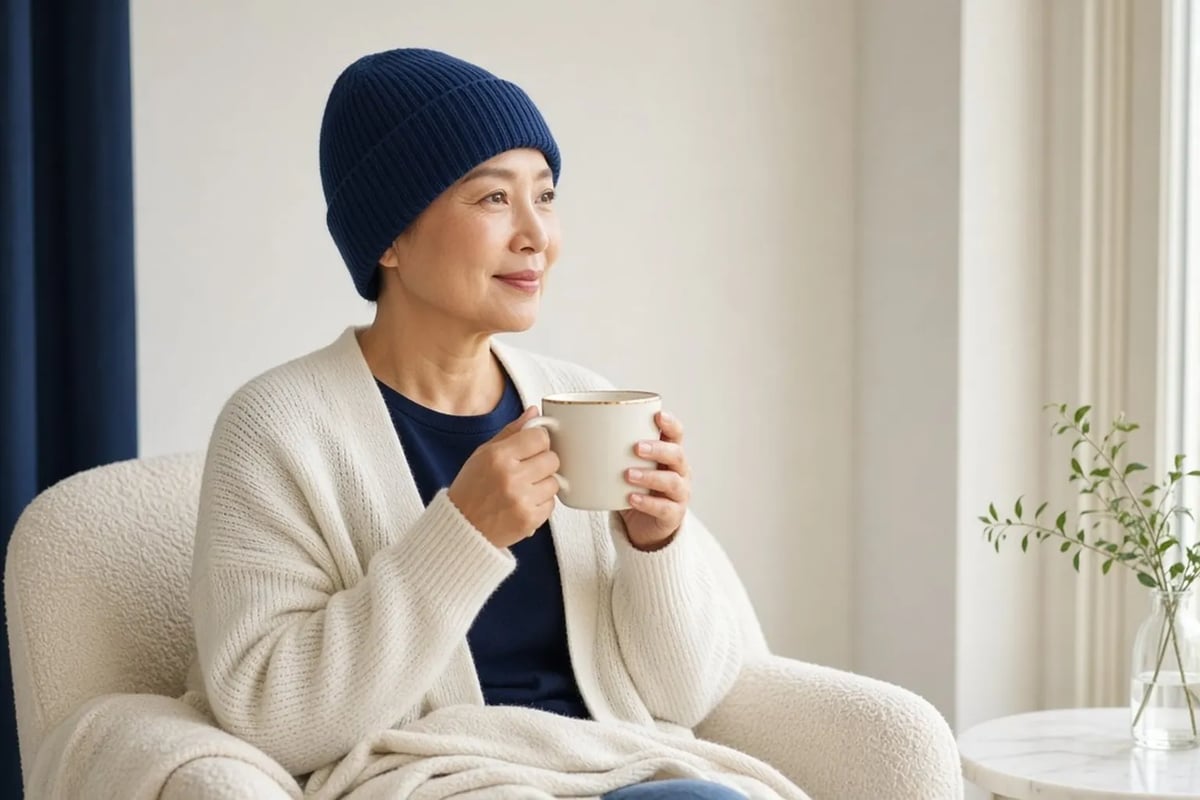
Does hair grow back after chemotherapy? In most cases, yes. Chemotherapy-related hair loss is usually temporary and the follicles are mostly still there, so hair usually starts to grow back within a few months of finishing treatment. Only a minority find that it returns thinner, or that it does not return where radiotherapy was given, and that is when further assessment is needed.
A woman in her fifties came to my clinic more than a year after finishing breast cancer treatment. Sitting down in her knitted beanie, she said: “Doctor, my hair has come back, but I can still see my scalp on top. Can I have a hair transplant?” I first asked her to take off her hat and examined her scalp with a dermatoscope, then asked when her chemotherapy had ended and which medicines she was still taking. A question like hers cannot be answered by looking at the hair alone; the whole treatment timeline has to be considered together.
Key points: Chemotherapy hair loss usually begins a few weeks after treatment starts. It is a form of anagen effluvium and can affect the scalp, eyebrows, eyelashes and body hair. Most people see hair returning about two to three months after chemotherapy ends; the new hair is finer at first and may be curlier or a different colour. If hair is still clearly thin six months after chemotherapy, or does not return in an irradiated area, ask a doctor to assess the cause. A hair transplant is not appropriate during treatment; the scalp and donor area are assessed only once your condition is stable and your oncologist agrees.
Why does chemotherapy cause hair loss?
Chemotherapy drugs work by attacking rapidly dividing cells. Cancer cells are the target, but hair follicle cells in the growth phase also divide quickly and are often affected too. Hairs become thin and break mid-growth and fall out in large numbers, which doctors call anagen effluvium.
This differs from telogen effluvium, which appears a few months after an illness or stressful event. Chemotherapy hair loss comes on quickly and can be heavy. The good news is that it is usually non-scarring: the follicles themselves are mostly intact, so hair generally has a chance to grow back once treatment stops.
Not every cancer treatment causes hair loss, however. A 2019 review in the Journal of the American Academy of Dermatology notes that conventional chemotherapy is the most common cause, while targeted therapy and immunotherapy less often cause heavy shedding but may change hair texture or colour; radiotherapy to the head and neck causes hair loss within the treated area. Whether hair falls out, and how much, depends on the drugs, the dose and the schedule, so it is worth asking your oncology team before treatment begins.
When does hair loss start after chemotherapy, and where?
The American Academy of Dermatology notes that people receiving chemotherapy or radiotherapy to the head and neck may lose all or most of their hair within a few weeks of starting treatment. Many first notice that the scalp feels tender, tingly or itchy, and then find hair coming out in handfuls when washing or brushing.
Hair loss is not limited to the scalp. Eyebrows, eyelashes, beard, underarm and other body hair may thin too. The crown and the back of the head, which rub against the pillow, sometimes shed more noticeably.
Because the loss can be quick, the National Cancer Institute suggests talking with your care team early about how to prepare. I also tell my patients that doing a few things before shedding begins can make it much less stressful:
- Cut your hair short first, so falling hair is easier to manage and less likely to collect in clumps on the pillow
- If you want a wig, choose it while you still have your hair, so it is easier to match your colour and style
- Have soft hats or headscarves ready to protect your scalp and prevent sunburn outdoors
- If you prefer to shave your head, use an electric shaver to avoid nicking a scalp that is already sensitive
How is chemotherapy hair loss different from other hair loss?
Chemotherapy hair loss usually has a clear starting point: it appears within a few weeks of starting treatment and the whole scalp thins quickly. Other types of hair loss tend to develop gradually, or appear a few months after a triggering event, and are managed differently.
After cancer treatment, more than one type of hair loss can be present at the same time. For example, chemotherapy hair loss may already be recovering, but pre-existing pattern hair loss or thinning linked to hormone therapy can make the crown look as if it never fills in.
If you are not sure which type you have, note down what you observe and bring it up at your appointment. The table below summarises common types of hair loss around cancer treatment; a doctor’s assessment is still needed.
| Type of hair loss | Usual onset | Pattern | Does it grow back? | Assessment |
|---|---|---|---|---|
| Chemotherapy-induced anagen effluvium | A few weeks after starting chemotherapy | Rapid, heavy loss over the whole scalp; eyebrows, eyelashes and body hair may thin | Usually starts to return a few months after treatment ends | Follow oncology advice on scalp care and monitor regrowth |
| Radiotherapy-related hair loss | A few weeks after radiotherapy | Limited to the treated area, often with edges matching the radiation field | Usually returns, but high-dose areas may stay thin or not regrow | Watch the scalp in the treated area; see a dermatologist if needed |
| Telogen effluvium | About two to three months after illness, surgery or stress | Even thinning all over; shed hairs have a white bulb at the root | Usually recovers gradually once the trigger improves | Identify the trigger and rule out thyroid problems and iron deficiency |
| Thinning related to hormone therapy | Develops gradually during treatment | Similar to pattern hair loss, often at the crown or hairline | May persist while treatment continues | Discuss with your oncologist; a doctor can assess whether to treat |
| Pattern hair loss (male or female) | Progresses slowly | Receding hairline, thinning crown or widening parting with gradually finer hairs | Does not recover on its own | Dermatoscopy to assess miniaturisation; discuss treatment or monitoring |
How should I care for my scalp and hair during chemotherapy?

The scalp is more sensitive than usual during chemotherapy, so the principle is to be gentle, protective and non-irritating. The National Cancer Institute recommends roughly the following, and I adjust it to each patient:
- Use a mild shampoo, wash less often, and pat hair dry with a soft towel
- Use a soft brush or wide-tooth comb; avoid hot hairdryers, straighteners, rollers and tight hair clips
- Wear sunscreen or a hat outdoors, and a soft hat or headscarf to keep warm when your scalp feels cold
- If your scalp feels itchy or tight, a gentle moisturiser can help, but ask your care team first if there is redness or broken skin
- If a wig feels hot or itchy, alternate it with cotton headscarves and hats
I also do not recommend buying hair-growth products or supplements on your own during treatment. Some ingredients may interact with your treatment, so check any product with your oncologist or pharmacist first.
Can scalp cooling prevent chemotherapy hair loss?
Scalp cooling keeps the scalp cold before, during and after each chemotherapy session to reduce the amount of drug reaching the follicles. The American Academy of Dermatology notes that wearing a cooling cap before and after chemotherapy may help prevent hair loss, and a 2018 review of controlled trials found that results vary considerably depending on the chemotherapy drugs, the cooling method and the individual.
It is not suitable for everyone. The dermatology journal review mentioned above notes that scalp cooling is mainly used for solid tumours and is generally not used for blood cancers or in people who are sensitive to cold. Whether to use it, and for which sessions, should be discussed with your oncology team.
Can I dye or perm my hair during chemotherapy?
During chemotherapy and for the first few months of regrowth, both the scalp and the new hair are fragile, so I suggest avoiding bleaching, dyeing and perming for now. Once the hair has some length and the scalp has no redness or wounds, talk it over with your doctor.
If you are also worried that colouring or perming later could damage your new hair, see Do Hair Dye and Perms Cause Hair Loss? Breakage, Scalp Allergy and When to See a Doctor.
How long does hair take to grow back after chemotherapy?

According to the National Cancer Institute, hair often starts to grow back within two to three months after chemotherapy ends, while after radiotherapy it often takes three to six months. Eyebrows and eyelashes usually recover earlier than scalp hair, and some people begin to see short new hairs even in the later part of treatment.
New hair is often very fine and soft, and some people find it curlier, straighter or a different colour than before. This usually reflects follicles and pigment cells that are still recovering. With time and trimming, many people gradually return to something close to their original hair, though some keep the new texture.
While your energy and appetite are still recovering after treatment, nutrition also affects how well hair grows back. If you are also worried that your diet is slowing regrowth, see What should I eat to improve hair loss? Hair-growth foods, nutrients, and doctor recommendations, and discuss any dietary changes with your oncologist or a dietitian.
Recovery speed varies and depends on the chemotherapy drugs, whether radiotherapy was also given, age and general health. Below is a common timeline; a doctor’s assessment still applies:
| Stage | Common hair changes | What to do |
|---|---|---|
| During chemotherapy | Heavy loss over the whole scalp; eyebrows, eyelashes and body hair may thin | Care for the scalp gently, protect it from sun and cold, and use hats, headscarves or a wig as needed |
| About one to three months after chemotherapy | Fine, soft short hair begins to appear; eyebrows and eyelashes often recover earlier | Limit heat styling and pulling; hold off on bleaching, dyeing and perming |
| About three to six months after chemotherapy | Hair gradually gets fuller; texture may be curlier, straighter or a different colour | Photograph the crown and parting monthly in the same light to track changes |
| Still clearly thin six months after chemotherapy | Possibly persistent chemotherapy-induced alopecia or another cause of hair loss | Ask a dermatologist or hair specialist to assess the cause |
Why might hair still not grow back after chemotherapy?
A small number of people find their hair has not fully returned long after chemotherapy. A review on cancer survivors in the Journal of the American Academy of Dermatology describes hair that has not regrown at all, or only partly, six months after chemotherapy as persistent chemotherapy-induced alopecia. It commonly shows as diffuse thinning, or thinning at the crown in a pattern similar to pattern hair loss.
The effect of radiotherapy depends on the treated area and the dose. A 2020 study of persistent hair loss after radiotherapy to the head found that the higher the dose, the more noticeable the hair loss tended to be, and treated areas could show sharply defined thin or smooth patches.
In addition, some hormone therapies can cause pattern-like thinning at the crown or hairline while they are being taken, and weight changes, anaemia, thyroid problems or stress during treatment can add telogen effluvium on top. So hair that will not grow back is not always just chemotherapy that has not worn off yet.
If you are also worried that a thyroid problem is holding back your regrowth, see Can Thyroid Problems Cause Hair Loss? Hypothyroid vs Hyperthyroid Shedding, Tests and When to See a Doctor. Women have particularly many possible reasons for thinning at the crown or parting after treatment; if you are also worried that more than one cause is involved, it is best to have a doctor assess hormones, nutrition and the scalp together.
Can I have a hair transplant after chemotherapy or radiotherapy?
A hair transplant is not appropriate during treatment. While cancer treatment is ongoing or has only just finished, blood counts, wound healing and infection risk are still settling, and the hair is still recovering. Surgery at this stage would be neither safe nor able to show what the final hair density will be.
I usually wait until your condition is stable, your oncologist agrees, and regrowth after chemotherapy has been stable for some time before starting an assessment. If you are also wondering whether your current health makes you suitable for surgery, see What to Assess Before a Hair Transplant? Suitability, Follicles, and the Evaluation Process; as for the situations that call for postponing surgery, I go through them with you one by one during the assessment.
In the assessment, what matters most to me is the pattern of hair loss and the donor area. The cancer survivors review lists hair transplantation as one option to consider for localised persistent hair loss after radiotherapy when the scalp is not severely damaged, and in the radiotherapy study mentioned above, a small number of patients who had transplants saw improvement. But if thinning is diffuse over the whole scalp, the donor area at the back of the head may also be thinner, and a transplant may not be suitable.
Irradiated scalp can become thinner with poorer blood flow, rather like scar tissue, which can affect how well transplanted follicles survive. If you are also worried that an irradiated area may be as hard to grow hair in as a scar, see Can You Transplant Hair into a Scalp Scar? Assessment and Limits.
Only if the assessment shows a good donor supply, a localised area and acceptable scalp condition do we go on to discuss whether a hair transplant is suitable and how to plan surgery. A transplant addresses a shortage of follicles; it cannot replace cancer follow-up or treatment of other causes of hair loss.
When should I see a doctor about chemotherapy hair loss?

For scalp problems during chemotherapy, contact your oncology team first; for regrowth problems after treatment, a dermatologist or hair specialist can assess you. If any of the following applies, I recommend seeing a doctor soon:
- Redness, pus or broken skin on the scalp during chemotherapy, or a fever, in which case contact your oncology team straight away
- Hair still clearly thin, or barely grown back, six months after chemotherapy
- Scalp in a radiotherapy area that keeps getting thinner, shiny or painful, or will not grow hair
- Round, patchy hair loss appearing after hair has grown back
- Thinning at the crown, parting or hairline getting worse after hair has grown back
- Eyebrows or eyelashes that have not recovered for a long time and affect your daily life or mood
What can I prepare before my appointment?
Put together your cancer treatment timeline: the start and end dates of chemotherapy, whether you had radiotherapy to the head or neck and where, and whether you are still taking hormone therapy or other long-term medicines. Recent blood test results and photos of the crown and parting taken in the same light are also very helpful.
How will the doctor assess it?
The doctor usually starts by asking about your treatment history and the pattern of hair loss, then uses a dermatoscope to look at follicle numbers and thickness and whether the scalp is inflamed or scarred. Blood tests may be arranged, or your current medicines discussed with your oncologist. Once the cause is clear, the next step is decided: continued monitoring, treatment for another cause of hair loss, or a further assessment of whether a transplant is feasible.
A note from the doctor
In my clinic I often meet people who are in the middle of chemotherapy or have just finished, who come in wearing a beanie to ask whether their hair will come back. My answer is usually: for most people, yes, it just takes time. What matters most during this period is completing your cancer treatment; gentle scalp care is enough, and there is no need to rush into hair-growth remedies.
The people who really need to come back to see me are those whose hair is still clearly thin more than six months after chemotherapy, or whose irradiated area has never grown hair. Then I will first work out the cause with you, and look at your health, donor supply and scalp condition before discussing whether a transplant assessment makes sense. Everyone’s treatment history and scalp are different, so an in-person assessment is still needed.
This article is general health education and does not replace an individual diagnosis.
Medical references
- National Cancer Institute: Hair Loss (Alopecia) and Cancer Treatment
- American Academy of Dermatology: Hair loss: Who gets and causes
- Freites-Martinez A, Shapiro J, Goldfarb S, et al. Hair disorders in patients with cancer. Journal of the American Academy of Dermatology (2019)
- Freites-Martinez A, Shapiro J, van den Hurk C, et al. Hair disorders in cancer survivors. Journal of the American Academy of Dermatology (2019)
- Phillips GS, Freret ME, Friedman DN, et al. Assessment and Treatment Outcomes of Persistent Radiation-Induced Alopecia in Patients With Cancer. JAMA Dermatology (2020)
- Shah VV, Wikramanayake TC, DelCanto GM, et al. Scalp hypothermia as a preventative measure for chemotherapy-induced alopecia: a review of controlled clinical trials. Journal of the European Academy of Dermatology and Venereology (2018)
Does chemotherapy always cause hair loss? +
Not always. Conventional chemotherapy is the most common cause, but whether and how much hair falls out depends on the drugs, the dose and the treatment schedule. Targeted therapy and immunotherapy less often cause heavy shedding, though they can change hair texture. Ask your oncology team before treatment starts.
How long does it take for hair to grow back after chemotherapy? +
Most people see hair starting to return about two to three months after chemotherapy ends; after radiotherapy it often takes three to six months. Recovery varies from person to person, and if hair is still clearly thin six months after chemotherapy, a doctor should assess it.
Why is the hair that grows back after chemotherapy curly or a different colour? +
New hair is often finer at first and may come back curlier, straighter or a different colour, because the follicles and pigment cells are still recovering. Many people gradually return to something close to their original hair, but some keep the new texture.
Should I shave my head during chemotherapy? +
It is your choice. Some people cut their hair short or shave it beforehand so shedding is easier to manage. If you shave, use an electric shaver to avoid nicking the scalp, and protect your scalp from sun and cold when you go out.
My chemotherapy ended long ago but my hair is still thin. What should I do? +
Hair that is still clearly thin six months after chemotherapy may be persistent chemotherapy-induced alopecia, or it may be combined with pattern hair loss, effects of hormone therapy, thyroid problems or iron deficiency. See a dermatologist or hair specialist to find the cause rather than self-medicating.
Can I have a hair transplant after chemotherapy or radiotherapy? +
Not during treatment. Once your condition is stable, your oncologist agrees and regrowth has settled, a doctor can assess the pattern of hair loss, the donor supply and the condition of the scalp. Irradiated scalp has poorer blood flow and needs an especially careful assessment.
Related articles
This article has been reviewed and medically approved by Dr. Wen-Yi Wu
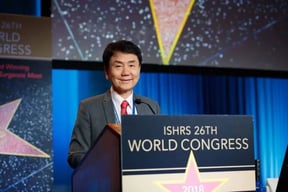
Dr. Wen-Yi Wu|Director, Mong Hair Clinic
- ● Fellow of ISHRS (FISHRS)
- ● ABHRS Board-Certified Hair Restoration Surgeon
- ● President of TSHRS (Taiwan Society of Hair Restoration Surgery)